Dynamic Cardistry Flourishes

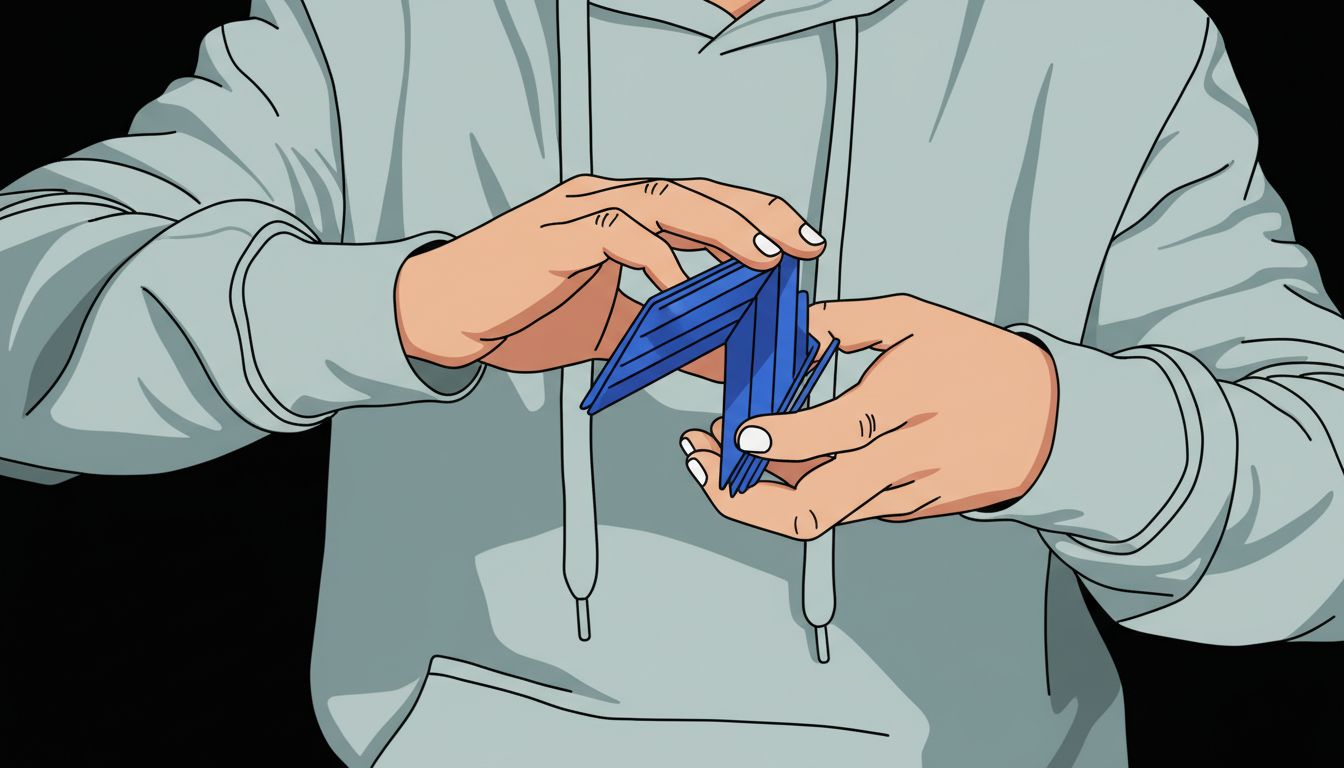
Master a collection of original, high-impact cardistry moves featuring unique grips and fluid packet transitions. This course is designed for practitioners looking to add visual flair and geometric displays to their repertoire.
Dynamic Cardistry Flourishes
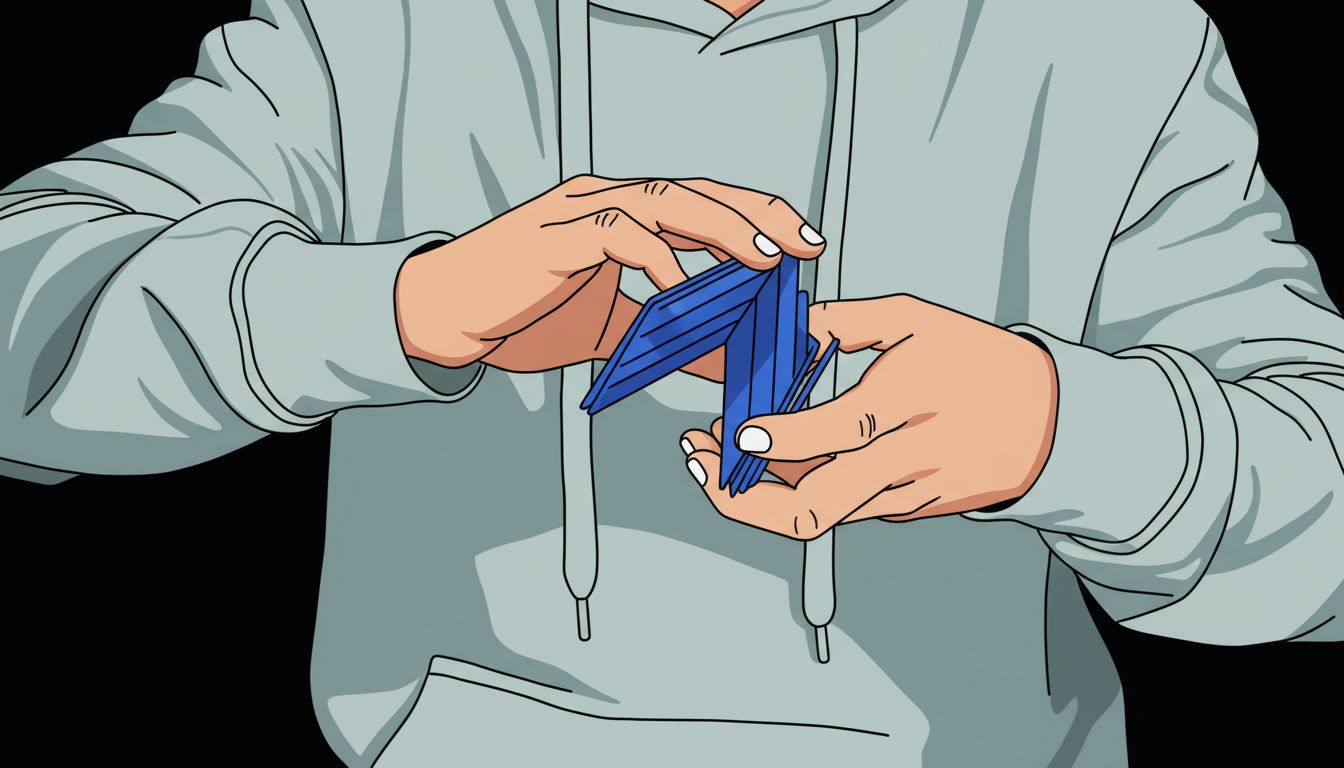
Master a collection of original, high-impact cardistry moves featuring unique grips and fluid packet transitions. This course is designed for practitioners looking to add visual flair and geometric displays to their repertoire.
Why Most Cardistry Looks Robotic
Many people think cardistry is just about moving packets as fast as possible. They end up with jerky, stiff movements that look like they're struggling with the deck. It looks more like a puzzle they're trying to solve than a smooth display of skill.
How to Make Your Cardistry Look Fluid
When you fix your flow and use the right pivot points, the cards look like they're moving on their own. Instead of fighting the deck, you let gravity and momentum do the work for you. This makes your flourishes look much more visual and polished to anyone watching. You stop looking like you're fumbling and start looking like the cards are an extension of your hands.
What You’ll Learn in Dynamic Cardistry Flourishes
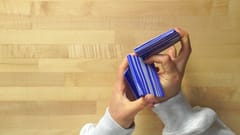
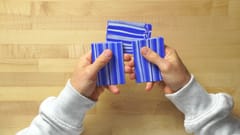
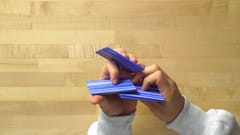
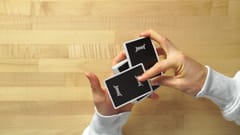
Julio Ribera shows you six of his original cardistry moves. These aren't just standard cuts. They involve unique grips and gravity-based closers that make the deck snap back together instantly. You'll learn how to use your fingers as pivot points to spin packets and create geometric shapes like squares and crosses.
You'll start with moves like Skycross and Automata to get used to the flow. Then you'll move into more advanced flourishes like Delta, which uses interlocking packets for a complex display. Julio breaks down every finger position and "pinch" point so you don't feel lost. Imagine finishing a sequence where the packets don't just close—they collapse and flick into place. It’s a moment that makes people stop and ask, "How did you do that?"
About Julio Ribera
Julio Ribera is a magician and creator with over 1.5 million followers. He’s known for his ability to make complex cardistry look effortless. He’s spent years refining these specific moves to make sure they're as visual as possible for both live audiences and the camera.
The 6 Moves Included in This Course
- Silk: A visual move where packets collapse on each other with a flicked finish.
- Skycross: Form a cross shape followed by a circular, domino-style closing.
- Automata: A smooth double Z-cut where the cards appear to move automatically.
- Delta: Julio’s favorite advanced flourish using interlocking packets and spins.
- Jumble: A move using unusual grips and a gravity-based closer.
- Magic Square: A geometric display where a square appears, disappears, and transforms.
Frequently Asked Questions
Is this too hard for a beginner?
Some moves like Skycross are easier to start with. Others, like Delta, will take more practice. If you know how to do a basic Z-cut, you can start learning these moves right away.
Do I need a specific type of deck?
Any standard deck of cards works, but a newer, "slippery" deck usually makes these flourishes much easier to handle.
What if my hands are small?
Julio explains the specific "pinch" and "grip" points for each move. These techniques rely on physics and pivot points rather than hand size, so you can do them even if you don't have large hands.
How do I know when I'm doing it right?
You'll know it's right when the packets feel light and move without resistance. Julio shows you exactly where the tension should be so you can feel the difference between a "stuck" move and a fluid one.
Why Most Cardistry Looks Robotic
Many people think cardistry is just about moving packets as fast as possible. They end up with jerky, stiff movements that look like they're struggling with the deck. It looks more like a puzzle they're trying to solve than a smooth display of skill.
How to Make Your Cardistry Look Fluid
When you fix your flow and use the right pivot points, the cards look like they're moving on their own. Instead of fighting the deck, you let gravity and momentum do the work for you. This makes your flourishes look much more visual and polished to anyone watching. You stop looking like you're fumbling and start looking like the cards are an extension of your hands.
What You’ll Learn in Dynamic Cardistry Flourishes
Julio Ribera shows you six of his original cardistry moves. These aren't just standard cuts. They involve unique grips and gravity-based closers that make the deck snap back together instantly. You'll learn how to use your fingers as pivot points to spin packets and create geometric shapes like squares and crosses.
You'll start with moves like Skycross and Automata to get used to the flow. Then you'll move into more advanced flourishes like Delta, which uses interlocking packets for a complex display. Julio breaks down every finger position and "pinch" point so you don't feel lost. Imagine finishing a sequence where the packets don't just close—they collapse and flick into place. It’s a moment that makes people stop and ask, "How did you do that?"
About Julio Ribera
Julio Ribera is a magician and creator with over 1.5 million followers. He’s known for his ability to make complex cardistry look effortless. He’s spent years refining these specific moves to make sure they're as visual as possible for both live audiences and the camera.
The 6 Moves Included in This Course
- Silk: A visual move where packets collapse on each other with a flicked finish.
- Skycross: Form a cross shape followed by a circular, domino-style closing.
- Automata: A smooth double Z-cut where the cards appear to move automatically.
- Delta: Julio’s favorite advanced flourish using interlocking packets and spins.
- Jumble: A move using unusual grips and a gravity-based closer.
- Magic Square: A geometric display where a square appears, disappears, and transforms.
Frequently Asked Questions
Is this too hard for a beginner?
Some moves like Skycross are easier to start with. Others, like Delta, will take more practice. If you know how to do a basic Z-cut, you can start learning these moves right away.
Do I need a specific type of deck?
Any standard deck of cards works, but a newer, "slippery" deck usually makes these flourishes much easier to handle.
What if my hands are small?
Julio explains the specific "pinch" and "grip" points for each move. These techniques rely on physics and pivot points rather than hand size, so you can do them even if you don't have large hands.
How do I know when I'm doing it right?
You'll know it's right when the packets feel light and move without resistance. Julio shows you exactly where the tension should be so you can feel the difference between a "stuck" move and a fluid one.