Wakeling Sawing in Half: Handling and Presentation
A large illusion with audience participation
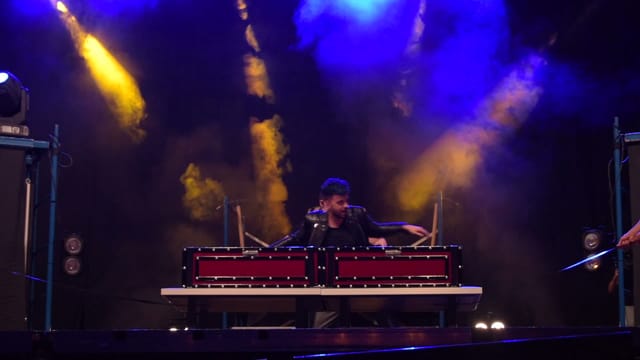
Orbit and Borja Montón analyze Alan Wakeling's Sawing in Half based on a live performance and a practical explanation of the prop. Two spectators participate in the verifications and remain close by while a person appears to be divided and then restored. The masterclass examines both the mechanics and the presentation choices that keep the situation clear throughout the routine.
The role of the person participating in the illusion
Before covering the handling, a section is dedicated to choosing and working with a stage partner. Availability for rehearsal, discipline, trust, discretion, mobility, and physical compatibility with the prop are discussed. The contributions of someone trained in dance or the performing arts are also explained: rhythm, expression, movement, and choreography proposals.
The instructors reflect on the sharing of the spotlight between the magician and the assistant, including the possibility of the magician taking on that role themselves. Respectful treatment, instructions given to the audience, and potentially awkward jokes are reviewed. Role reversal is presented as an artistic reflection, not as a step-by-step secondary version.
Prop and adaptation shown
Orbit's version is presented along with an explanation of how it works, covering the split table, the two boxes, the straps, and the illusion's prop blades. The demonstration helps clarify the work of the person inside the prop and how they coordinate with the performer.
The proportions of this adaptation are compared with the classic version, showing details of the base, box placement, guides, and latches. Orbit discusses modifications aimed at facilitating handling and speeding up actions that might otherwise drag during a performance. These observations help you understand his specific equipment; they do not constitute blueprints, an exploded view, or a complete manufacturing project. It is expressly noted at the end that building the prop is an advanced undertaking, and acquiring a suitable unit is recommended rather than attempting it without experience.
Sequence with the spectators
The explanation walks through the routine from choosing two volunteers to the final bow:
- How to present their verification role and position them so they can participate without blocking the action.
- How to give clear instructions when placing the straps and boxes, maintaining the continuity of what is being shown.
- How to divide tasks and check the condition of the prop while the dialogue maintains the tempo.
- How to introduce the blades and structure the checks so the audience understands where and when the effect happens.
- How to set up the separation, bring the parts back together, and execute a quick and legible restoration.
- How to conclude the checks and share the applause with the participant and the two spectators.
The focus is on the relationship between actions, words, and reactions. The explanation covers why it matters that the volunteers perform concrete actions and how to recall what they have seen during the recap, without turning the setup into a series of waiting periods.
Timing, coordination, and finale
Orbit breaks down the moments of closing, opening, and presenting the blades to explain the timing and coordination with his partner. The anticipation of each action, the placement of the spectators, and the need for technical tasks to occur within a fluid sequence are analyzed.
Music cues, the perceived weight when moving the two halves, vocal energy, and applause management are also discussed. For the finale shown, a technician steps in to collect the blades; this collaboration helps streamline the removal of the prop. The class explains this division of labor without providing a musical track or lighting and sound programming.
Equipment and necessary preparation
To reproduce the explained version, you need a suitable Wakeling prop, its boxes, straps, and prop blades, stage space to move it, and a trained person whose body and mobility are compatible with it. The presentation incorporates two volunteers from the audience; the technical crew and music are part of the described staging.
This is a grand illusion lesson that requires joint rehearsal and familiarity with handling stage props. It is also useful for studying audience management and timing, but seeing the method is no substitute for preparing the equipment and coordinating your participants. Other referenced illusions, such as the Zig Zag or Modern Art, serve as presentation references; their methods are not taught here, nor are their props or materials included.