Lessons
790 lessons · 1207 videos · 263h of content
 Intermediate
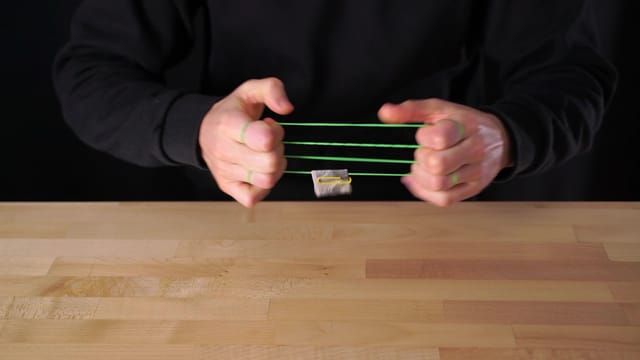
Stairway: The banknote that climbs the rubber bands
Julio Ribera explains Stairway by Marcus Eddie: a banknote ascends a ladder made of rubber bands and can descend again. It includes two setups, spectator participation, and a clip-less version.
 Intermediate
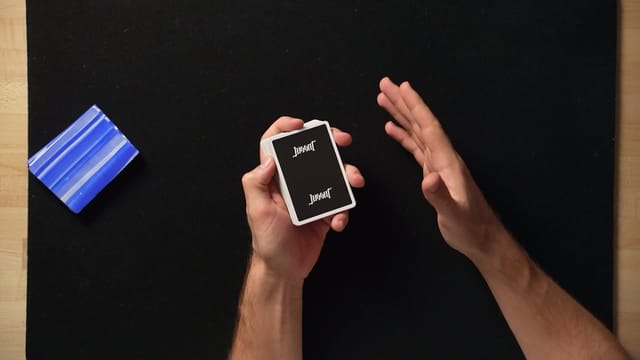
Trigger
Julio Ribera explains Trigger from Straddle Grip through the closure. Study the packet opening, rotation, support changes, and recovery of the deck, shown from several angles.
 Beginner
Types of Magic Effects and Creation from Emotions
Borja Montón analyzes different types of effects to expand a repertoire's variety and clarify what the spectator experiences. He then proposes creating presentations from personal emotions and experiences, connecting the intent of each scene with the magic effect that best expresses it.
 Beginner
Relationship with the volunteer and stage confidence
Shado El Mago explains his way of connecting with participants and guiding the interaction. The discussion covers confidence, naturalness, and alternatives when a volunteer does not play along with the show.
 Beginner
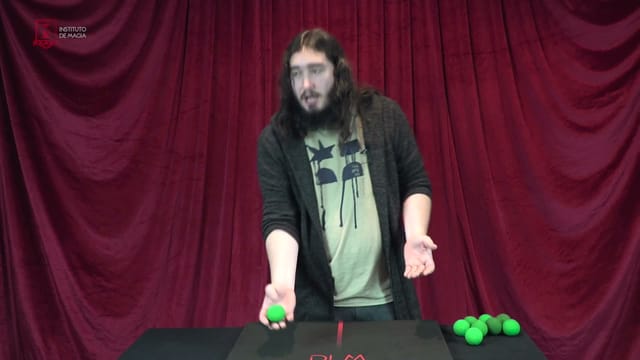
Ten Count to Ten with Sponge Balls
Two sponge balls assemble, separate, and travel to a spectator's hand, before a finale featuring ten balls. Xulio Merino teaches the Ten Count to Ten routine and covers the fundamentals of handling, misdirection, and prop care required to perform it.
 Intermediate
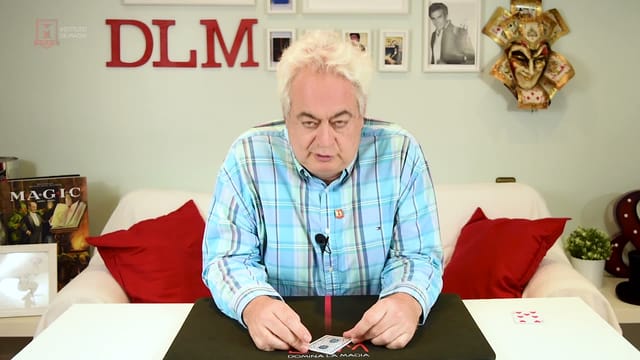
The Illogical Conclusion: Elmsley and Jordan Counts
Learn Roy Walton's classic routine where two packets exchange cards and the final outcome contradicts what the audience believes they saw. Rafael Benatar explains the Elmsley and Jordan counts and how to link them with smooth, natural handling.
 Beginner
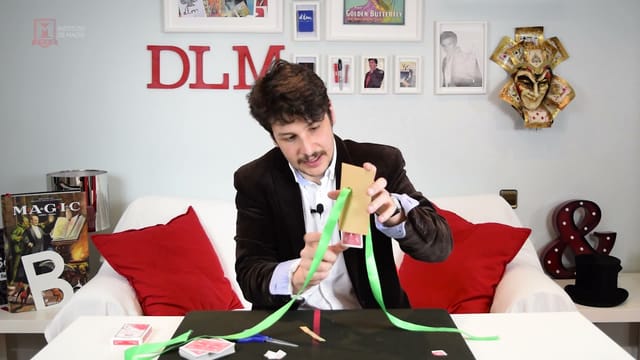
Kaplan's Torn and Restored Card
A torn card is restored inside an envelope and appears pierced by a ribbon, while a spectator keeps a corner to verify its identity. Ricardo Sánchez explains the preparation, handling, and presentation of this parlor magic routine.
 Beginner
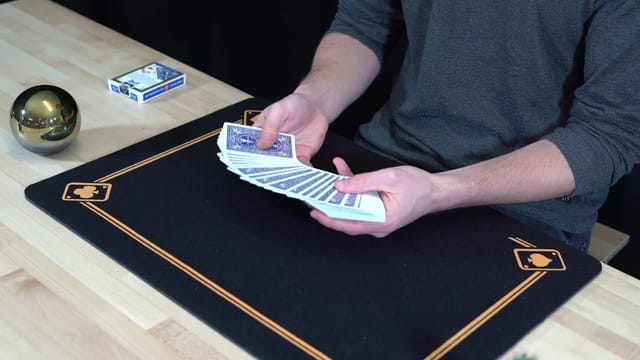
Triumph with a half double-backed deck
Julio Ribera teaches a Triumph routine that allows you to genuinely shuffle the packets and have the spectator push them together. You need half a double-backed deck and half a normal deck with the same design. The selected card can be handed out; to continue with a regular deck, a switch for another one is discussed.
 Beginner
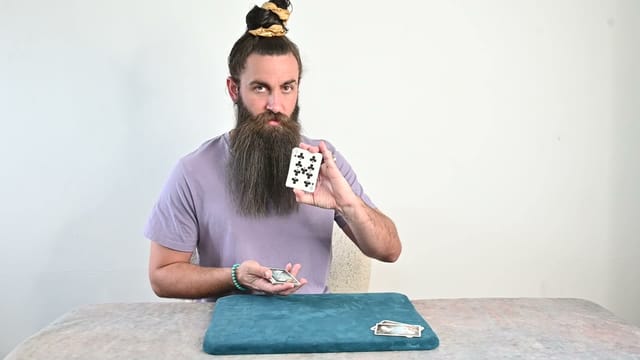
Soulmates: three card coincidences
Leandro Furtado teaches a three-phase routine in which pairs of cards of the same rank and colour appear. Learn the setup with an ordinary deck, the reference cut, resetting between phases and the presentation that turns a coincidence into evidence of a connection with the audience.
 Beginner
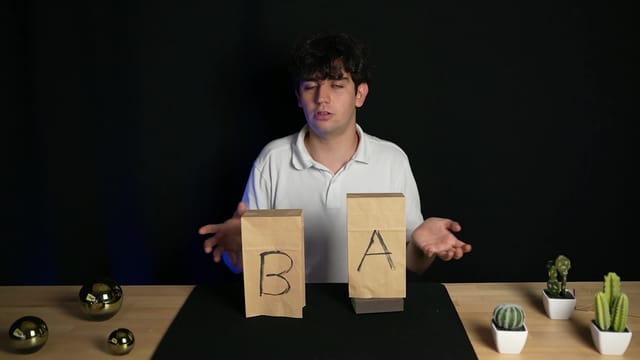
Russian roulette with bags: decisions and magician's choice
Álex Ruiz explains a mentalism opening featuring two bags and a spectator's choice. He covers the magician's choice, the recap of the answers, and how they relate to a presentation about decisions.
 Intermediate
Perfect Production: stage card production
Learn the Perfect Production card production and how to combine it with loads and stage movement. Borja Montón explains the props, card preparation, and a practice sequence using both hands.
 Intermediate
Chicago Opener: color-changing back and unexpected kicker
Julio Ribera teaches Chicago Opener featuring an odd-backed card. Includes a performance, several patter ideas, and fine points on linking its two phases using a double lift and a Hindu force.