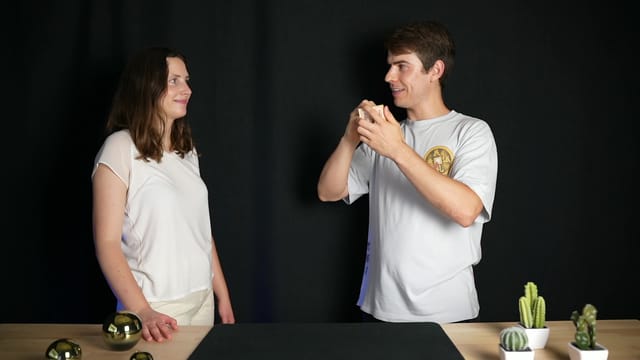
Nail Writer Mentalism
The Skill: Secretly Writing Information
The nail writer is a tool that lets you record information right in front of an audience without them knowing. Once you master the handling, you can turn a spectator's thought—like a number or a name—into a physical prediction that appears to have been written before they even spoke. It’s direct, immediate, and creates a strong moment of impossibility.
How It’s Taught
This lesson breaks down the technique into physical mechanics and performance timing. You'll learn how to hold a notepad naturally, how to position your fingers to keep the gimmick stable, and the essential "ditching" moves that leave you clean. The instruction focuses on practice drills so you can learn to write legibly without looking at the pad.
What Level Is This For
This is an intermediate skill. While the concept is straightforward, it requires dedicated practice to develop the muscle memory needed to write clearly while your hand is in a relaxed, casual position. You don't need previous mentalism experience, but you should be comfortable with basic misdirection and keeping your movements fluid.
About the Instructor
Julio Ribera is a seasoned magician and digital creator known for his practical approach to close-up magic. He focuses on teaching the "how" behind the performance so you can focus on the audience rather than the mechanics.
What's Included
- Gimmick Anatomy: Understanding the thumb-tip style writer and how it functions.
- Handling & Support: Using your pinky finger and natural hand positioning to keep the writing steady.
- The Write: Practice drills for writing numbers and letters in specific spots on a page while keeping your eyes on the spectator.
- Performance Coverage: Using eye contact and body language to draw attention away from your hands.
- The Ditch: How to safely remove the gimmick so you can hand the paper to the spectator for inspection.
Frequently Asked Questions
How long until I can use this?
You can understand the mechanics in one session, but plan for at least a week of daily, short practice sessions to build the coordination needed to write neatly without looking.
What if I have small or large hands?
The thumb-tip version is highly adjustable. Practice is the key factor—once you find the right grip that fits your hand size, the technique remains the same.
Is this easier with certain pads?
Yes. Using a small, rigid notepad or a stack of sticky notes is recommended. The extra support makes it much easier to control your writing pressure compared to a single sheet of paper.
Can I learn this without a teacher watching?
Absolutely. Use a mirror while practicing your writing to ensure your hand looks natural and casual. Once you can write without looking, try performing for a friend to test your misdirection.