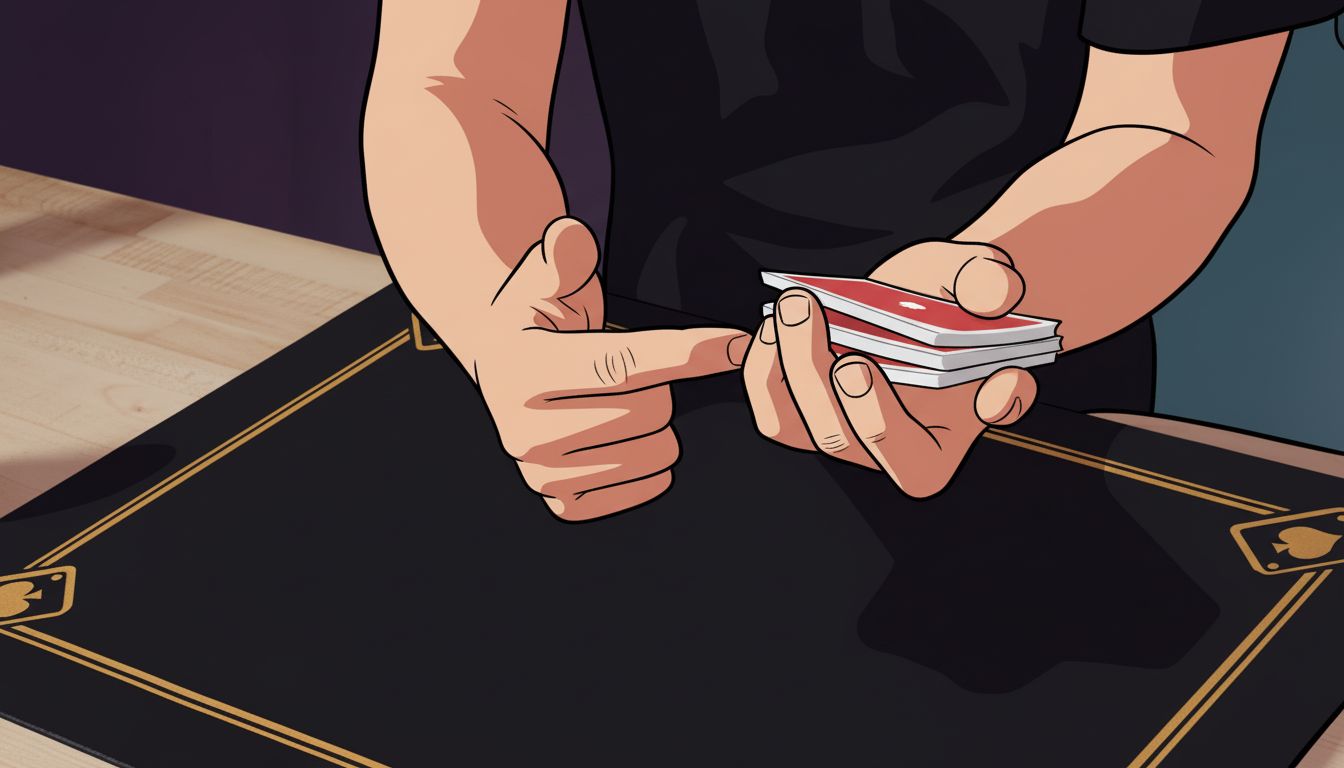
False Shuffles and Triple Cut with Julio Ribera

Four techniques by Julio Ribera to simulate shuffles and cuts while preserving the deck order. The learning path covers the overhand shuffle, the triple cut, and two table riffle solutions, complete with breaks, cover, angles, and closing phases.
False Shuffles and Triple Cut with Julio Ribera
Four techniques by Julio Ribera to simulate shuffles and cuts while preserving the deck order. The learning path covers the overhand shuffle, the triple cut, and two table riffle solutions, complete with breaks, cover, angles, and closing phases.
4 Lessons
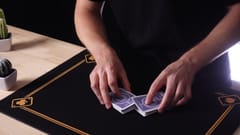
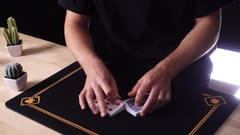
A false shuffle allows you to preserve an order that the spectator believes has been altered. Julio Ribera brings together four techniques here to study this concept through different actions: an overhand shuffle, a false triple cut, and two table riffle shuffles.
The path contains four lessons and four instructional videos. In the demonstrations, a deck separated into red and black cards with reference cards is used to verify that the complete order is maintained after the action. The explanations break down the movement of the packets and then relate it to how the execution should look.
False Overhand Shuffle
The first lesson starts from the overhand shuffle. It covers the recovery of the packets, the break that allows the handling to be repeated, and the grip that keeps them covered.
Julio pays special attention to continuity: the false action must maintain the position, rhythm, and appearance of a normal shuffle. The explanation details how to make the most of the grip space and avoid extra movements that might draw attention.
False Triple Cut
The second lesson organizes the deck into three packets and examines the references needed to reassemble it without altering its order. Two breaks are explained, along with an alternative to preserve the second break using the hand itself without relying on the same grip.
The work links the cuts in the hands with their continuation on the table. References to controls and other cuts place the technique firmly within card magic; the developed content covers this triple cut, its continuity, and the final square-up.
Covered Table Riffle
The third proposal uses a cover card and the handling of the two packets to simulate the shuffle and restore the order. The explanation follows the card preparation, the riffle, the break, and the recovery.
It also addresses conditions that influence the presentation: the slight shift needed to cover the action, the hand placement, and the angle adjustment when the spectator's viewing position changes.
False Table Riffle with Final Cut
The final technique starts by actually interlacing the cards. Its teaching focuses on the diagonal direction of the square-up, the points of contact, and the cover that allow the packets to be kept separate before completing the cut.
Julio uses one half face-up and the other face-down to clarify the path during study, distinguishing that exposed view from the covered handling. The explanation brings together the interlacing, the square-up, and the cut as phases of a single sequence.
Materials, Technical Base, and Practice
You work with an ordinary deck. The triple cut and the two riffle shuffles are performed on a table; the overhand shuffle is done in the hands. No specific commercial magic product is required.
It is helpful to be familiar with the overhand shuffle and the table riffle shuffle, as well as cutting packets and the concept of a break. The videos build upon these base actions to explain their false versions; they do not replace a complete introductory course.
Practice involves understanding the actual movement of the blocks, verifying that the order is preserved, and combining that handling with a natural appearance. The path provides these four technical tools. Choosing the routine in which to use them and crafting their magical presentation is up to each student's application.