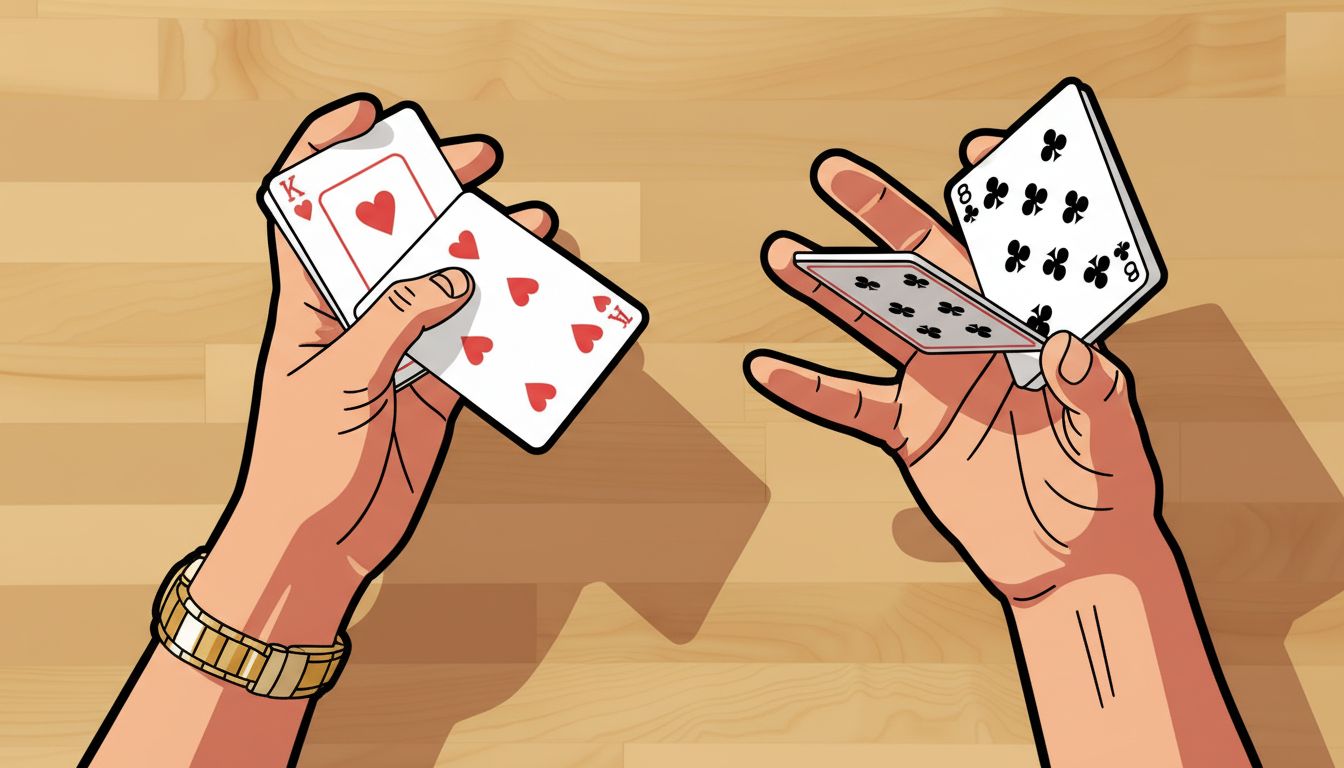
Cardistry with Sergio Roca: stars, balances and cuts

Four flourishes explained by Sergio Roca: Enterprise, Neodymium, Frame and Phoenix, along with a brief introduction by the instructor. Work on symmetrical displays, balanced cards, packet rotations and coordinated closures.
Cardistry with Sergio Roca: stars, balances and cuts
Four flourishes explained by Sergio Roca: Enterprise, Neodymium, Frame and Phoenix, along with a brief introduction by the instructor. Work on symmetrical displays, balanced cards, packet rotations and coordinated closures.
By Sergio Roca
5 Lessons
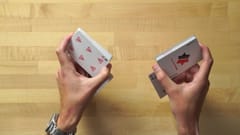
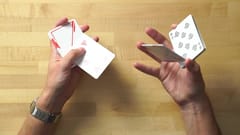
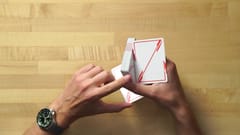
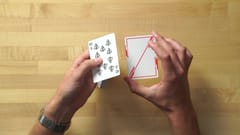
Sergio Roca presents and explains four cardistry moves with a deck. The path contains five lessons: a short welcome and four tutorials, each dedicated to a complete flourish. The explanations cover packet preparation, grip changes, spins and the closure of each move.
What the path includes
- Sergio Roca's Introduction. A welcome where the instructor announces he will share some of his favorite moves. This video introduces the concept, without going into a technical explanation.
- Enterprise. A symmetrical two-handed opening that builds a five-pointed star. It explains how to transfer the pressure points, introduce the central element of the display, expand the star and gather it back up.
- Neodymium. A three-packet cut with spins, grip changes and the handling of an isolated card. The explanation focuses on the size of the most active packet, the use of its weight, a rhythmic pause and the transfer between the hands before the closure.
- Frame. A flourish featuring full spins and a card balanced on a finger. Sergio demonstrates how to achieve that balance, combine it with packet rotations and cleanly close the sequence.
- Phoenix. A move that coordinates the spin of a single card with that of the packet in the other hand. It then covers the extension of the card, its return to the deck and the rhythm that brings the flourish together.
How the explanations unfold
The tutorials break down the actions and revisit them to connect the pressure points with the movement. You will see how one hand takes over holding a structure while the other releases a card or prepares the next spin. Attention is paid to pressure changes, pinches and which fingers need to remain free.
Handling vocabulary such as straddle grip and mechanics grip is used, alongside references to the scissor cut. Each explanation focuses on the specific sequence of its move and how to finish it. You need a deck to practice the displays, cuts and balances that Sergio teaches.