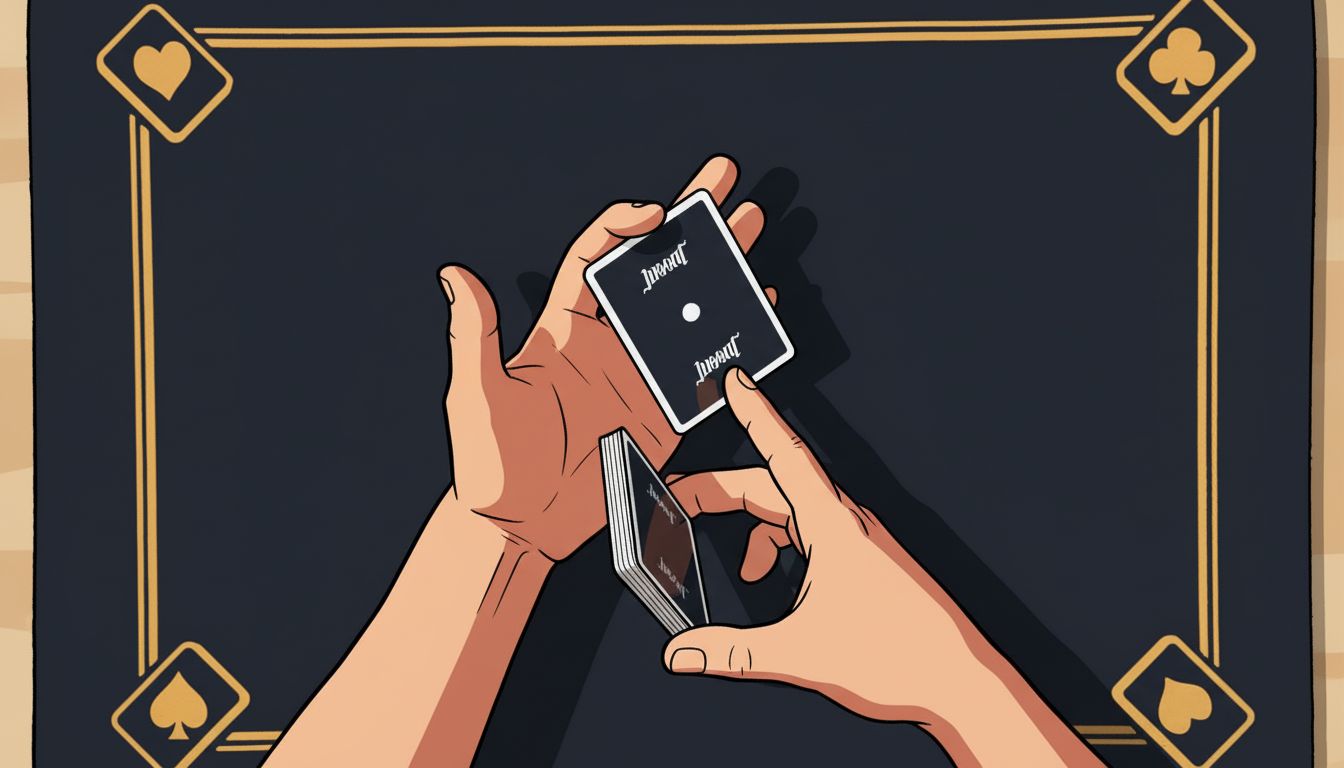
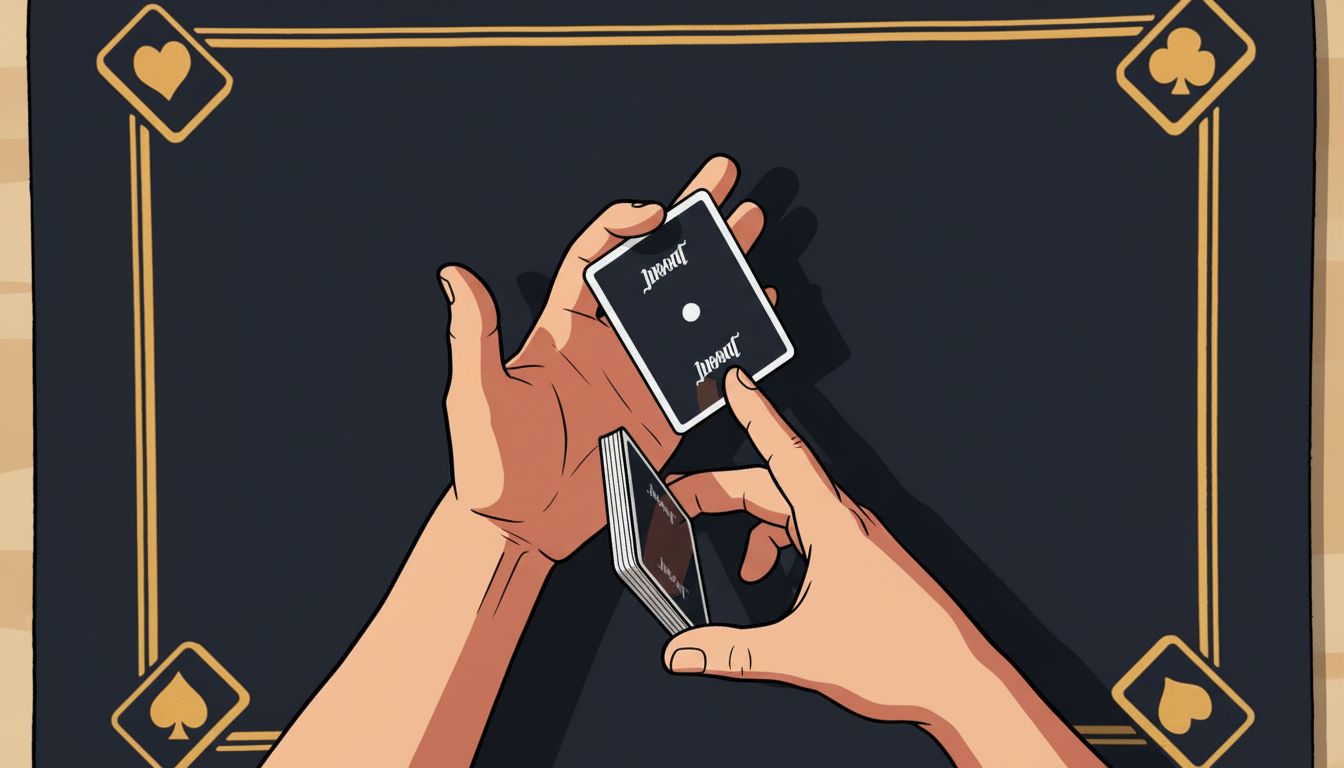
Essential Cardistry Cuts: Swing, Swivel, Charlier, and Scissor

Julio Ribera explains four cuts to work on packet separation, transfer, and rotation. From the two-handed Swing and Swivel cuts to the one-handed Charlier and Scissor cuts, covering entries, supports, closures, and practice options.
Essential Cardistry Cuts: Swing, Swivel, Charlier, and Scissor
Julio Ribera explains four cuts to work on packet separation, transfer, and rotation. From the two-handed Swing and Swivel cuts to the one-handed Charlier and Scissor cuts, covering entries, supports, closures, and practice options.
4 Lessons
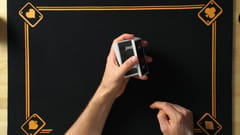
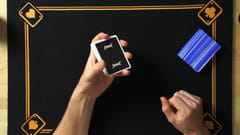
This learning path brings together four explanations by Julio Ribera on cuts that form the foundation for working with packets. The journey begins with the Swing and Swivel cuts, which transfer the cards between both hands, and continues with the Charlier and Scissor cuts, performed with one hand.
The goal is to study what happens when you separate a packet, change its supports, and reunite it with the rest of the deck. Each lesson develops a specific action and shows how it can be repeated, linked, or become part of larger flourishes.
Swing Cut: separating and receiving
The first explanation uses Mechanics Grip and Biddle Grip to prepare the opening. Julio shows how the packet is separated and received in the other hand, ending in a position from which you can close the cut.
The lesson also works on repetition with multiple packets. This allows you to recognize the Swing Cut as a transfer that can be used within other sequences, with a packet size adapted to your needs.
Swivel Cut: adding a rotation
The second lesson builds upon the Swing Cut action by adding a pivot. It covers the half-turn of the packet and its reception, as well as the supports that hold the already collected cards while you prepare the next rotation.
Julio demonstrates the cut with one or multiple packets and discusses its combination with the Swing Cut. The connection between the two allows you to work through two different paths from a related foundation.
Charlier Cut: one-handed opening, support, and closure
The third explanation develops the cut from a Straddle Grip supported by the palm and offers an alternative entry using an elevated grip. It then covers the elevation of the packet, the shift in support, and the closure.
The study includes breaking the move down into timing steps and striving for a more fluid execution. Julio suggests practicing with blocks or two taped packets so you can focus on the mechanics without having to keep all the cards together.
Scissor Cut: completing the cut and freeing the packets
The final lesson distinguishes the basic Scissor Cut from a version that keeps the packets independent. It explains bringing the deck toward the thumb, the pivot, the opening, and the closure.
Packet independence receives special attention: Julio suggests studying the position and grip before integrating them into the full sequence. This distinction is useful when incorporating a one-handed cut into two-handed flourishes where one of the packets needs to retain freedom of movement.
Materials, fundamentals, and scope
You need a standard deck of cards and familiarity with the grips used: Mechanics Grip, Biddle Grip, and Straddle Grip. The Swivel Cut is explained building upon the Swing Cut; the two one-handed lessons work through their positions and supports step by step.
For the Charlier and Scissor cuts, trainers or practice blocks are recommended. The explanation itself offers a homemade alternative using adhesive tape and deck packets, so purchasing a specific brand is not mandatory.
The learning path contains four instructional videos. Not all cuts require the same coordination: the first two focus on transferring and rotating between hands, while the other two develop one-handed packet control. Julio Ribera leads the explanations and connects the cuts to their potential applications within cardistry.