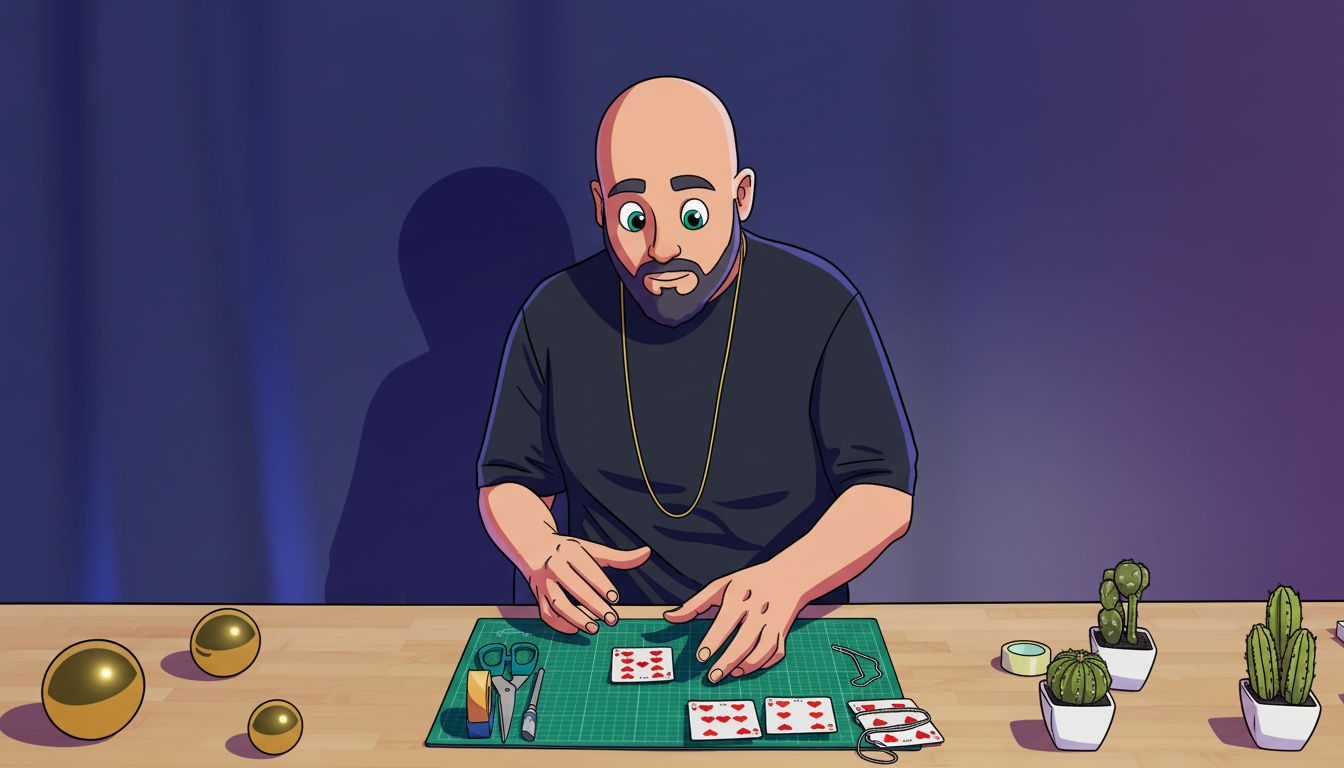
Card magic with everyday objects: paperclips, rubber bands, and a chain

Five effects explained by Yago Turia: a location and transposition with paperclips, two escapes with a rubber band, and Tagged by Richard Sanders. Includes demonstrations, handling, setups, and DIY crafting, along with the required props and conditions for each routine.
Card magic with everyday objects: paperclips, rubber bands, and a chain
Five effects explained by Yago Turia: a location and transposition with paperclips, two escapes with a rubber band, and Tagged by Richard Sanders. Includes demonstrations, handling, setups, and DIY crafting, along with the required props and conditions for each routine.
By Yago Turia
5 Lessons
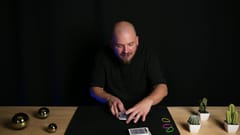
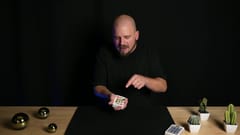

This learning path brings together five lessons by Yago Turia where cards are combined with paperclips, rubber bands, and a chain. The objects serve to build distinct imagery: locating a card, identifying it as a signature, producing an escape, or showing a penetration.
The curriculum includes fourteen videos featuring demonstrations, explanations, and, for Tagged, prop crafting and setup options. Some sequences are set up during the handling; others require duplicate cards or a gimmick constructed prior to the performance. Each lesson details its specific requirements.
Paperclip Card Location
The first lesson uses two paperclips and a deck to reveal a selection by spreading the deck across the table. Yago explains the setup, the cover during the selection, receiving the card, and timing the spread.
The display of the discovery and various ways to gather the props are also studied. The table and paperclip management are part of the work, so the effect is not reduced solely to the moment the card appears.
Ambitious Clip: Two Linked Phases
The paperclip now functions as a repositionable signature. The identified card rises in the deck and then changes places with another held by the spectator.
The lesson breaks down the setup with a duplicate, placing the paperclip, the Tilt, the displays, and the transition into the transposition. A Double Lift and a false shuffle are used, alongside alternatives for certain handing-out moments. The focus is on ensuring the actions set up the next phase without interrupting the performance.
Rubber Band Card Escape
The third lesson deals with a chosen card escaping while the rest of the deck remains bound by a rubber band. Yago explains the control, the break, positioning the rubber band, and the tension of the bind.
The choice of rubber band relates to its fit and elasticity. The explanation shows the setup from both faces to clarify the escape and the final state of the deck; it does not prescribe a universal brand or size.
Double Escape Sandwich
The fourth lesson uses a pair of assisting cards and a rubber band to build a two-phase routine. We study the card control, setting up the rubber band, and the initial toss, followed by displaying the sandwich.
The continuation links the setup of the second phase with a different release, involving further work on tension and finger travel. The demonstration and explanation allow you to connect both impacts with the handling of the small packet of cards.
Tagged by Richard Sanders
The final lesson covers the appearance of a card threaded onto the chain worn by the magician. Yago credits the effect to Richard Sanders and explains the main handling, an alternative with less loose material, and delivering the result.
It includes crafting the cards and the gimmick using stationery and jewelry supplies. It also compares the tab setup with an optional magnetic variant, noting differences in strength and removal. The chain used in the variant must be magnetic; that option is not required to perform the tab handling.
Materials and Knowledge to Follow the Path
You will need a deck of cards and the specific props for each effect: two paperclips for the location; one paperclip and a duplicate card for Ambitious Clip; appropriately sized rubber bands for the escapes; and the matching cards, chain, and crafting materials for Tagged. A table is used in the location and the initial sandwich toss.
The explanations cover controls, breaks, double cuts, the Tilt, Double Lifts, false shuffles, displays, and prop management. Their function is developed within the routines; it is best to practice the transitions and setups corresponding to each lesson.
Yago Turia teaches all the content and performs the sleights left-handed, a perspective he keeps in mind when explaining them. This path allows you to study how an ordinary object can become a visible part of the magical plot and an element of the handling, paying close attention to the appearance and conclusion of each effect.