

ACAAN: Two versions with one deck

Two lessons and five videos by Julio Ribera on a chosen card appearing at a number named by a spectator. Includes Glide ACAAN and a version with neighboring cards, featuring controls, count handling, and presentation.
ACAAN: Two versions with one deck
Two lessons and five videos by Julio Ribera on a chosen card appearing at a number named by a spectator. Includes Glide ACAAN and a version with neighboring cards, featuring controls, count handling, and presentation.

Two ways to present card and number
This course by Julio Ribera brings together two versions of ACAAN, which stands for Any Card At Any Number. In the explained handlings, one spectator chooses a card and another names the number at which it will appear.
The curriculum includes five videos: effect performances and explanations of the control, the count, and the patter that structures audience participation. The magician handles the deck and does the dealing.
Glide ACAAN and the connection between spectators
The first lesson features a presentation where one spectator appears to locate another's card. Julio uses the concept of a connection and assigns a different role to each person.
The handling combines a card control with the Glide applied to the count. A positional adjustment is discussed to present the deck naturally, and an alternative is added where the spectator indicates when to stop.
The two performance videos allow you to follow a sample presentation and the dialogue in other situations with spectators.
One card more, one card less
The second lesson presents Julio's personal version. The revelation relies on showing neighboring cards to emphasize the coincidence between the chosen card and the number.
The explanation covers control options, a break, grips, and the coordination of the count. It also discusses an optional detail for recounting the packet and warns against over-justification.
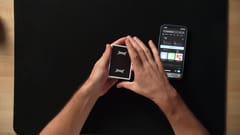
The demonstration uses a number generator to represent the spectator who would provide the answer.
Materials and technical foundation
You will need an ordinary deck. For the connection presentation, you work with two spectators: one chooses the card and another names the number; in Glide ACAAN, the dealing is done onto one of their hands.
It is helpful to know a card control. The first version applies the Glide; the second explains the break and grip adjustments required for its count. Each lesson breaks down the technical work and the presentation.
The goal is to study two defined constructions of card and number, linking the handlings with the spectators' roles and the moment of revelation.