

The Invisible Deck: Handling and Two-Deck Coincidence

Julio Ribera teaches how the Invisible Deck works and is handled, along with an application that combines it with a marked deck. It includes two performances and two explanations, covering the setup, patter, and conditions for using these products.
The Invisible Deck: Handling and Two-Deck Coincidence
Julio Ribera teaches how the Invisible Deck works and is handled, along with an application that combines it with a marked deck. It includes two performances and two explanations, covering the setup, patter, and conditions for using these products.
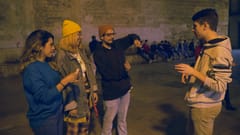
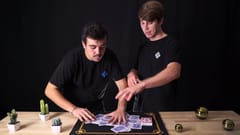
Julio Ribera develops two applications of the Invisible Deck, a card magic tool prepared to reveal a spectator's named card. The course brings together two lessons and four videos: a performance and an explanation for each effect. The journey begins with the handling of the deck and continues with a coincidence between two packs.
Understanding and Handling the Invisible Deck
The first lesson presents a routine where spectators shuffle an imaginary deck, think of a card, and discover it is the only reversed card in a real deck. The explanation teaches how the product works and how to handle it to perform the revelation.
The lesson covers pressure when spreading the cards, deck orientation, the relationships of its internal stack, and the process for locating a named card. Julio pays special attention to kings and end cards, reviews full examples, and shows how to reset the deck to its working order after the effect.
Coincidence with a Marked Deck
The second lesson applies this handling to a routine using two packs. The spectator shuffles and spreads the cards of one deck and uses a coin to decide on a selection. A single reversed card that matches it appears in the other deck.
The explanation compares Phoenix and Copag 310 marked decks, shows how to read their markings, and discusses visibility differences when handling them. It then explores the separation of functions between the two packs, the participant's freedom to shuffle, and the construction of the revelation. This application builds upon knowing how to handle the Invisible Deck.
Materials and Scope
You will need an Invisible Deck. For the coincidence routine, you will also need a marked deck, a coin, and a table or surface to spread the cards on. Marked Phoenix and marked Copag 310 are the models discussed; the explanation is compatible with other marked decks you may prefer to work with. You can find these products at your favorite magic shop.
The lessons teach how to use the products and present the effects. The course combines handling explanations with live spectator performances to connect the setup with the patter and the moment of revelation.