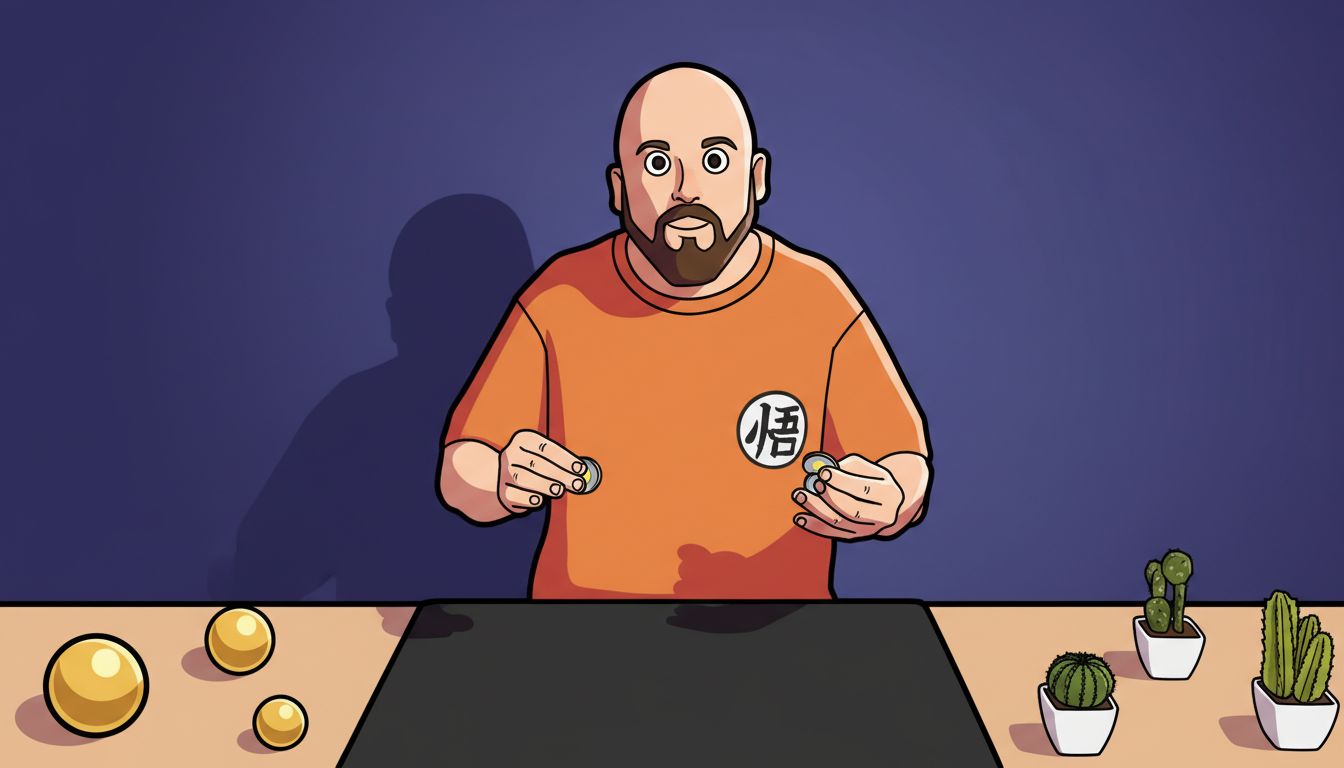
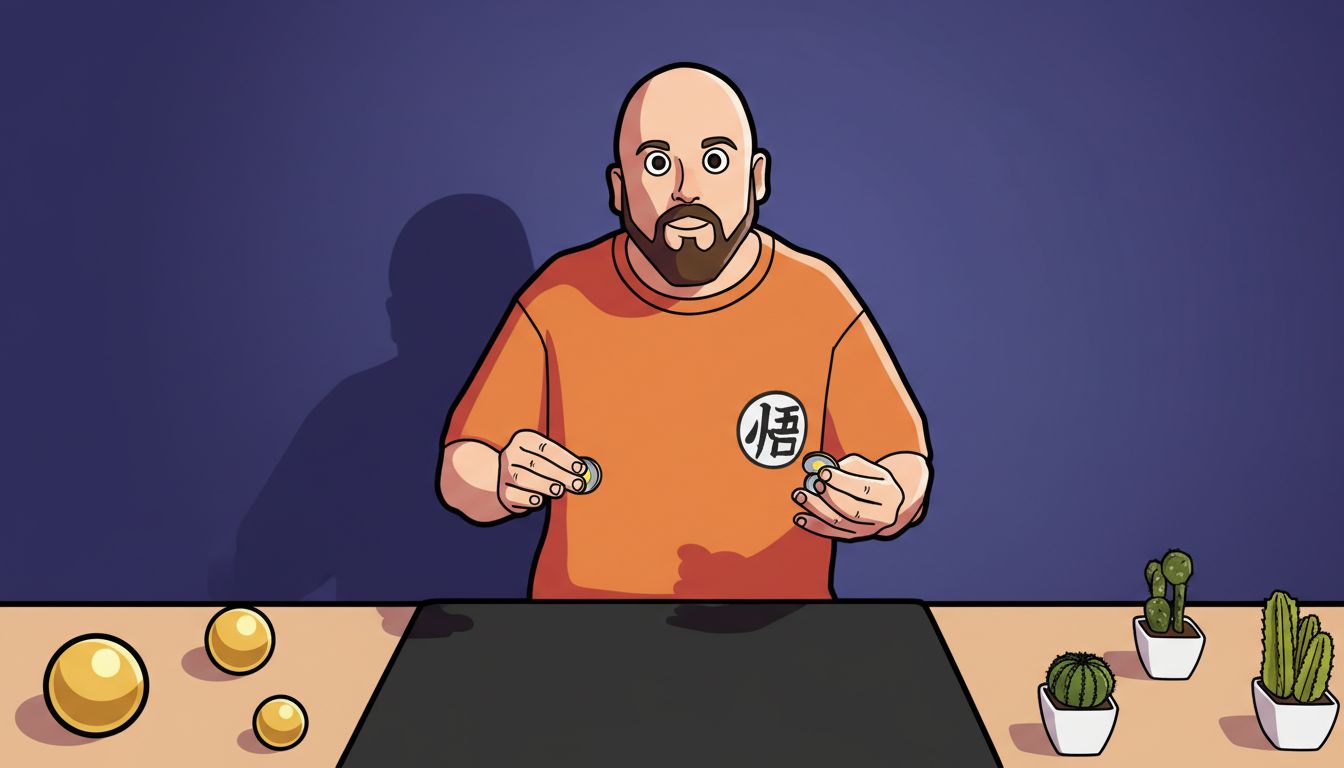
Three Fly - Y3F

Learn three distinct methods for the visual coins across plot where coins travel vertically from hand to hand. Covers classic sleight of hand, shell techniques, and progressive elimination routines.
Three Fly - Y3F
Learn three distinct methods for the visual coins across plot where coins travel vertically from hand to hand. Covers classic sleight of hand, shell techniques, and progressive elimination routines.
By Yago Turia
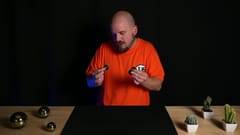
How to Make Coins Fly Between Your Hands
Most coin tricks happen down on a table where they can be hard to see. With the Three Fly, the magic happens at chest height, right under people's noses. You'll be able to make three coins jump from one hand to the other, one by one, while your hands stay wide apart.
Imagine holding three coins at your fingertips, giving them a tiny shake, and watching one visibly jump to your other hand while your friends are staring right at it. It’s one of the most visual things you can do with a few spare coins.
Three Ways to Learn the Three Fly
Yago breaks this down into three distinct methods. He starts with the Classic Three Fly, which uses an extra coin and a clever "accordion" grip to keep everything looking fair. Then, he shows you a version using a coin shell that looks incredibly clean because you never have to hide extra coins in your palm. Finally, he teaches a progressive routine where you start with three coins and end with none, using "sleeving" to make the coins vanish into thin air.
Which Version Should You Start With?
This course is great for anyone who knows how to hold a coin in a finger palm. If you’re a beginner, the Shell Three Fly is the best place to start because the prop does most of the hard work for you. If you prefer pure sleight of hand, the Classic version is a medium challenge that relies on good timing and grips. The final routine is the most difficult, but it’s the one that will get the biggest reaction from people who think they’ve seen it all.
About Yago Turia
Yago Turia is a close-up specialist who focuses on making moves look natural and effortless. He doesn't just teach you where to put your fingers; he shows you the small details, like how to use the natural moisture on your hands to handle a coin shell without fumbling.
What You'll Learn
- The Accordion Display: How to hold three coins vertically so the audience can see them clearly at all times.
- The "Popping" Technique: A simple way to release a coin from a shell using light pressure and the natural oils on your skin.
- The Gag Travel: A fake move that makes your audience laugh and sets them up for the real magic.
- The Ramsay Subtlety: A way to show your hand is empty even when you're hiding a coin inside it.
- The Finger Palm Transition: How to move a coin from your palm to your fingertips without anyone noticing the motion.
- Sleeving and Ditches: How to get rid of coins at the end of the routine so you can show both hands completely empty.
Frequently Asked Questions
Do I need special coins for this?
You can use any coins, but Yago suggests starting with coins that don't have holes (like quarters or half dollars). This prevents the audience from accidentally seeing a hidden coin through the hole of the ones you're holding.
Is this hard to do while standing up?
No, this is specifically designed for standing. It’s perfect for parties or when you're just hanging out with friends and don't have a table to work on.
What if I don't own a coin shell?
You don't need one to get started. Two of the three routines taught in this course use regular coins that you probably already have in your pocket.
How long does it take to learn?
You can understand the secret of the Classic Three Fly in about ten minutes. However, you'll want to practice the "accordion" grip in front of a mirror for a few days to make sure the coins don't clatter or slip while you move.
How to Make Coins Fly Between Your Hands
Most coin tricks happen down on a table where they can be hard to see. With the Three Fly, the magic happens at chest height, right under people's noses. You'll be able to make three coins jump from one hand to the other, one by one, while your hands stay wide apart.
Imagine holding three coins at your fingertips, giving them a tiny shake, and watching one visibly jump to your other hand while your friends are staring right at it. It’s one of the most visual things you can do with a few spare coins.
Three Ways to Learn the Three Fly
Yago breaks this down into three distinct methods. He starts with the Classic Three Fly, which uses an extra coin and a clever "accordion" grip to keep everything looking fair. Then, he shows you a version using a coin shell that looks incredibly clean because you never have to hide extra coins in your palm. Finally, he teaches a progressive routine where you start with three coins and end with none, using "sleeving" to make the coins vanish into thin air.
Which Version Should You Start With?
This course is great for anyone who knows how to hold a coin in a finger palm. If you’re a beginner, the Shell Three Fly is the best place to start because the prop does most of the hard work for you. If you prefer pure sleight of hand, the Classic version is a medium challenge that relies on good timing and grips. The final routine is the most difficult, but it’s the one that will get the biggest reaction from people who think they’ve seen it all.
About Yago Turia
Yago Turia is a close-up specialist who focuses on making moves look natural and effortless. He doesn't just teach you where to put your fingers; he shows you the small details, like how to use the natural moisture on your hands to handle a coin shell without fumbling.
What You'll Learn
- The Accordion Display: How to hold three coins vertically so the audience can see them clearly at all times.
- The "Popping" Technique: A simple way to release a coin from a shell using light pressure and the natural oils on your skin.
- The Gag Travel: A fake move that makes your audience laugh and sets them up for the real magic.
- The Ramsay Subtlety: A way to show your hand is empty even when you're hiding a coin inside it.
- The Finger Palm Transition: How to move a coin from your palm to your fingertips without anyone noticing the motion.
- Sleeving and Ditches: How to get rid of coins at the end of the routine so you can show both hands completely empty.
Frequently Asked Questions
Do I need special coins for this?
You can use any coins, but Yago suggests starting with coins that don't have holes (like quarters or half dollars). This prevents the audience from accidentally seeing a hidden coin through the hole of the ones you're holding.
Is this hard to do while standing up?
No, this is specifically designed for standing. It’s perfect for parties or when you're just hanging out with friends and don't have a table to work on.
What if I don't own a coin shell?
You don't need one to get started. Two of the three routines taught in this course use regular coins that you probably already have in your pocket.
How long does it take to learn?
You can understand the secret of the Classic Three Fly in about ten minutes. However, you'll want to practice the "accordion" grip in front of a mirror for a few days to make sure the coins don't clatter or slip while you move.