Ten Count: Count up to Ten and Full Routine
Building a routine around the count
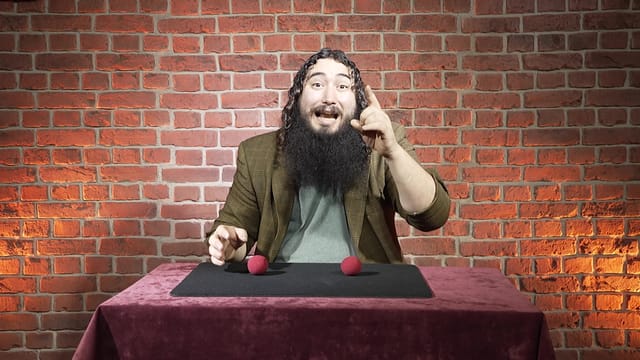
Xulio Merino presents Ten Count, a routine where two sponge balls assemble and separate following a count. The lesson includes a demonstration, the explanation of the basic sequence, and a second section dedicated to turning it into a routine with variations and a finale.
The work combines technique, timing, and misdirection. The instructor analyzes why a visible action can focus interest and give continuity to the whole.
The split in two and the basic count
The first explanation begins with the presentation of one ball and its apparent division into two. The gesture, the time spent on the separation, and how to give intent to that small beginning are examined.
Next, the count up to ten is developed. Xulio connects the positions on the table, the false deposit, and the sequence of actions with the numbers. He also points out a placement error that breaks the logic of that sequence.
You can study the mechanics first and then adjust the timing of the patter to match the actions of the hands.
Variations to advance the routine
The second explanation outlines how to continue after the initial repetitions. It includes a countdown and the slight rhythmic adjustment of also counting zero.
From there, the presentation plays with the difference between counting backward and making the effect happen backward. Assemblies and separations are developed, along with handling a ball in motion across the table.
The key is for each variation to maintain the theme and lead toward a resolution, bringing variety to the sequence.
Finale in the spectator's hands
The routine culminates with the assembly of the balls in a participant's hand. It explains how to request the hand, perform the placement, and accompany the finale with a clear instruction, avoiding any awkward tugging.
Xulio also offers a way to rehearse that part alone using the table or the corner of the close-up mat for support. This is a helpful tool for practicing continuity before working with another person.
Optional final production
The explanation adds a ten-ball production for anyone wishing to extend the finale. Pocket preparation and the moment to introduce it into the sequence are discussed.
You can perform the routine with two balls and finish in the spectator's hand. To reproduce the optional production, you will need ten. Detailed pocket management is deferred to a future lesson.
Materials and technical foundation
You will need sponge balls, a table or close-up mat, and knowledge of finger palm, squashing, and the basic false deposit. For the participatory finale, you will have a spectator; prior practice can be done alone with the support shown by the instructor.
The lesson teaches both the count and its development: the opening, varied repetitions, misdirection, and the choice of finale depending on the available props.