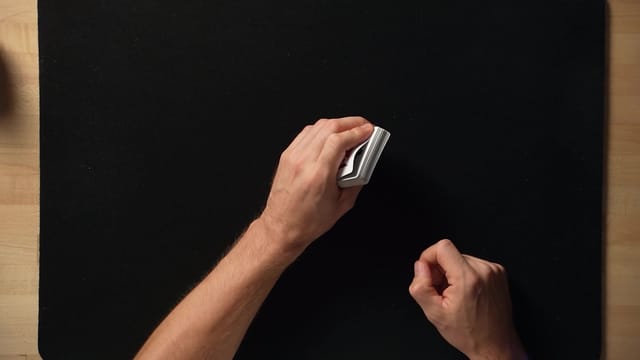
Buckle Technique
The Old Way
Most magicians struggle when they need to get a break under the bottom card of the deck. Often, they resort to clumsy, wide movements or awkward finger-fumbling that screams to the spectator that something is happening. This lack of control makes packet tricks and palm transfers look messy and telegraphs your next move before you've even made it.
The Better Approach
The buckle is a subtle, one-handed technique that solves this problem for good. By using specific pressure points with your index finger against the corner of the bottom card, you cause it to flex just enough to create a natural gap.
Because you aren't moving your entire hand to secure the break, the move remains invisible. It becomes a fluid, natural part of your handling, letting you set up for palms, switches, or packet separations in an instant without the spectator ever noticing a thing.
About the Instructor
Julio Ribera is a professional magician and digital creator who has spent years refining close-up card magic. He specializes in teaching techniques that are both practical and high-performing, focusing on how to make your magic look natural to a lay audience.
What's Included
- Mechanics Grip positioning: How to place your fingers for maximum leverage.
- The Buckle motion: Learning the specific diagonal pressure needed to flex the card.
- The Pinky Break: Mastering the timing to insert your finger cleanly.
- Natural handling: How to minimize hand movement to keep your magic invisible.
- Versatile applications: Using the buckle for palms, additions, and packet tricks.
Frequently Asked Questions
Why is this method better than a standard pinky count?
The buckle is specifically designed for the bottom card. It uses the physical properties of the card itself to create the gap, which is much faster and more discreet than trying to manually manipulate the edges of the deck.
Will this work if I'm a beginner?
Yes. While it is a sleight-of-hand move, it only requires a small amount of practice to get the pressure right. Once you find the "sweet spot" for the flex, it becomes a muscle-memory habit you'll use in almost every card routine.
What if my cards are stiff or old?
The technique works on almost any deck. You might need to adjust the pressure slightly depending on the brand or condition of the cards, but the mechanics remain exactly the same.