Card magic resources: substitutions, palms and deals

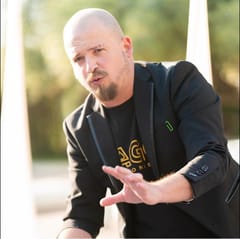
Ten lessons on the Glide, Buckle, dribble, peek, palms, Mercury Fold, Top Shot and false deals. Julio Ribera covers the handlings and practice conditions, while Yago Turia explains the Top Shot.
Card magic resources: substitutions, palms and deals
Ten lessons on the Glide, Buckle, dribble, peek, palms, Mercury Fold, Top Shot and false deals. Julio Ribera covers the handlings and practice conditions, while Yago Turia explains the Top Shot.
10 Lessons
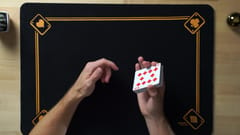
Glide: Card Switch and Applications
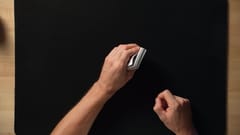
Buckle: getting a break above the bottom card
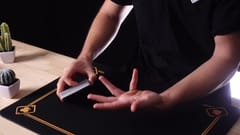
Card dribble: classic and modern versions
Riffle Peek: Knowing the card before handing out the deck
Classic Palm for cards: grip and naturalness
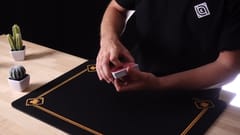
Top Palm: One-Handed Top Palm
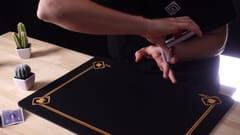
Mercury Fold: Secretly folding a card into quarters
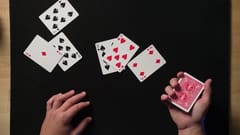
Top Shot: card shooting and pressure control
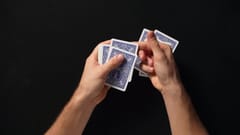
Second Deal: Second Deal and Gesture Continuity
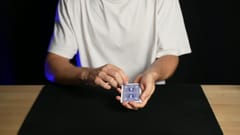
Bottom Deal: bottom deal, practice and visual applications
This path brings together ten explanations of technical card magic resources. The journey combines brief setups and handlings that require more extended study, from getting a break to coordinating a false deal. Julio Ribera teaches the explanations except for the Top Shot, which is handled by Yago Turia.
Substitute, separate and offer a choice
The path begins with the Glide, which allows you to seemingly substitute a shown card. It covers the grip, the pressure needed to move a single card, recovery, and angles. Examples of transformation, control, and force show potential uses without turning the lesson into several full routines.
The Buckle teaches a specific setup: obtaining a break above the bottom card with minimal movement. Next, the dribble compares a classic version and a modern one, focusing on even release and catching. The force is demonstrated as an application, but its explanation is announced for another time.
The peek lesson integrates gathering information during a riffle choice and when handing the deck back afterwards. In addition to the technical grip, it covers gaze, the break, and relaxing the gesture with one or more spectators.
Conceal and prep a card
The classic palm introduces the card's pressure points, a simple two-handed entry, and the practice of natural gestures. The Top Palm then develops a one-handed entry, requiring particularly demanding coordination and pinky work.
The Mercury Fold teaches the hidden quarter-folding of a card under cover of the deck. The sequence is explained and repeated from multiple angles. Appearances in impossible locations are mentioned as potential uses; the focus of this lesson is on the fold.
Launch and deal
Yago Turia explains the Top Shot, the balance of pressures, and a practice approach before the full shot. He warns about his left-handed orientation and the necessary adjustments when there are fewer cards left in the deck.
The Second Deal retains the top card while pretending to deal it. Julio compares two grips and works on continuity, squaring the deck again, and cover. The Bottom Deal closes the path with a more extensive explanation of the bottom deal: isolated actions, coordination, progressive drills, angles, and brief visual applications.
Materials and way of working
A standard deck of cards is used. For the Mercury Fold, it is best to set aside worn or cheap cards that you can bend and ruin. Deck brand recommendations in the dealing lessons are optional aids; no specific purchase is required.
It is helpful to recognize Mechanics Grip, Biddle Grip, Straddle Grip, and the concept of holding a break. The explanations allow you to study each resource separately, but palms and advanced deals require repetition and review from the spectator's perspective. The path provides tools to build your routines, with the conditions and limits that each instructor explains.