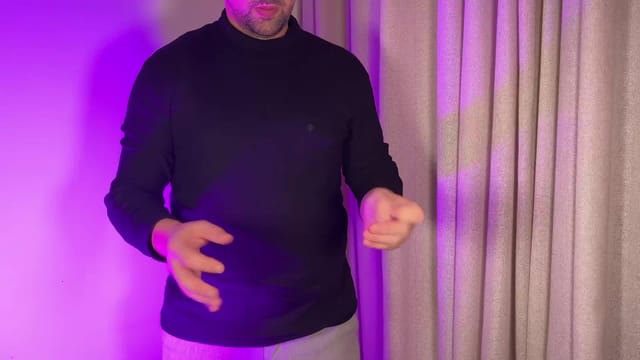
False transfer with finger palm
The false transfer creates the appearance that a coin changes hands while it remains retained. José Arcario develops the application using a finger palm and places it within a justified action.
The lesson brings together three videos: a commented slow-motion example, an introduction to the function of false transfers, and a close-up technical explanation.
A transfer that looks real
The retention of the coin and the coordination of the hands are studied. José compares the gesture with a genuine transfer and draws attention to the time the coin needs to arrive.
The closing of the receiving hand must relate to that travel time. The proposed practice alternates real and simulated movements to recognize their rhythm and appearance.
The action that gives meaning to the change
The video insists that the hand frees itself to do something: roll up a sleeve, pick up an object, or perform another action consistent with the patter.
The choice of that motivation is part of the handling. The explanation connects the false transfer with action in transit, so that the apparent transfer is integrated into a greater intention.
The commented example
The slow-motion clip allows you to follow the initial showing of the hands, the apparent transfer, and the movement towards the sleeve. It explains how that continuity sets up the vanish of the example.
The slowed-down format is designed to review specific gestures and moments. The example uses a brief action and breaks it down through commentary.
Material and prior work
You need a regular coin and familiarity with the finger palm position. The sleeve is the resource used in the example; other possible motivations depending on the context are discussed.
The lesson teaches the handling and a vanish context. The work consists of combining retention, coordination, and justification, rather than studying solely a concealment posture.