Coin magic fundamentals with José Arcario

José Arcario brings together 30 lessons and 48 videos of coin magic: material selection, grips, palms, changes, productions, vanishes, and routines. It includes a shell section covering mechanics, maintenance, techniques, and complete routines.
Coin magic fundamentals with José Arcario
José Arcario brings together 30 lessons and 48 videos of coin magic: material selection, grips, palms, changes, productions, vanishes, and routines. It includes a shell section covering mechanics, maintenance, techniques, and complete routines.
By Jose Arcario
30 Lessons

Welcome to coin magic with José Arcario
Coin Types: Size, Grip, and Selection
Finger Coordination and Independence with Coins

Basic grips: thumb, fingertips, and flat grip

Finger Palm: Position, Pressure, and Naturalness
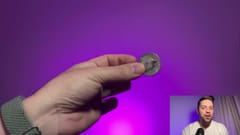
Classic Palm: finding the gripping point
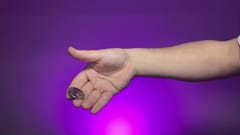
Italian Palm: Thumb Palm entry
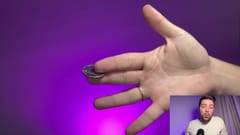
Downs Palm: retention and recovery
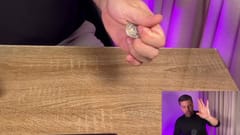
One-Handed Palm-to-Palm Transfers
False transfer with finger palm
False transfer with classic palm
Italian false transfer
The Tourniquet: False Take of a Coin
False transfer with Downs Palm
Visual Retention Vanish

One-Handed Coin Change
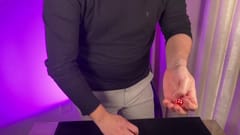
Bobo Switch: replacing a coin with a die
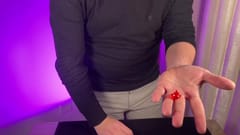
Shuttle Pass: The Practical Change
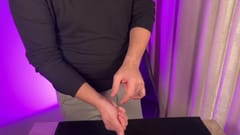
Click Pass: The Sound Pass

Basic coin productions
Coin vanishes: naturalness, rhythm and motivation

Always Three with Coins
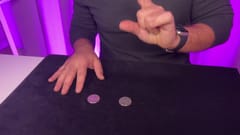
Coins Across: practicing the classic palm
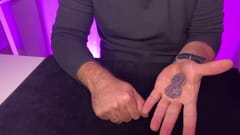
Coins Through the Table with Technique
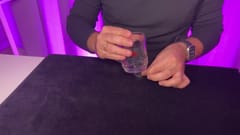
Coin through glass

The coin shell: operation, types and care

Shell techniques: separation and cleaning

Coins Across with a shell: three journeys across the close-up mat
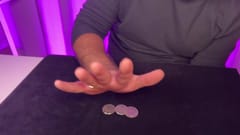
Coins Through the Table with a Shell
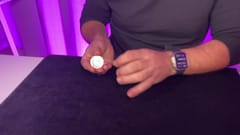
Three-coin production with a shell
Building a foundation in coin magic
This path by José Arcario gathers hand-to-hand coin work and its application to complete effects. Its 30 lessons and 48 videos cover material selection, finger coordination, grips, palms, and the techniques that allow you to make coins appear, vanish, change, or travel.
The instruction combines technical explanations, exercises, commented examples, and demonstrated routines. The guiding thread is giving continuity to the moves: learning where a coin rests, how to transfer it between positions, and what action justifies moving a hand.
Choosing coins and understanding positions
The path begins with a welcome and a comparison of coin formats. Size, edge, grip, and visibility are studied so you can choose material that adapts to your hands and performance conditions.
Next, you will work on finger independence and thumb, fingertip, and flat grips. The palm section develops finger palm, classic palm, Italian palm, and Downs palm, paying attention to pressure, comfort, recovery, and coverage.
Transfers, false deposits, and changes
Transfers allow you to link positions within a single hand. Building on these, the path studies false deposits based on finger, classic, Italian, and Downs palms, as well as the French Drop and optical retention. Several examples are analyzed in slow motion to observe coordination and compare the technical action with the actual delivery.
You will also learn a one-handed coin change, the Bobo Switch, and the Shuttle Pass. In these handlings, the gesture does not end with the substitution: José explains the function of motivated actions and continuity between the hands. The Click Pass adds sound as reinforcement for an apparent delivery.
Productions and vanishes
The productions section applies finger palm, Downs palm, and classic palm to various appearances. It includes examples using clothing, the ear, and everyday objects, practice with multiple coins, and attention to audience angles.
The vanishes combine technique and presentation. You will work on the resemblance to the real movement, the timing of closing the hand, relaxation, and the purpose of the free hand. Optical retention adds the study of the coin's final image before revealing the effect.
Four routines with regular coins
The path continues with Always Three, an adaptation where an impossible count is repeated before changing the outcome. Its explanation allows you to study how two phases complement each other and how repetition builds expectation.
Coins Across uses the travel of three coins between the hands as practice for the classic palm and includes an option for an ending in a spectator's hand. Coins Through the Table applies technique, sound, and a final feint to three penetrations. Coin Through Glass develops material preparation and details regarding support, drop, and retrieval.
Understanding and using the shell
The last five lessons are dedicated to this prop. The first section shows its mechanics, compares variants, and explains compatibility, coverage, sound, and care. Afterward, you will study three ways to unshell and a cleanup move using the classic palm.
The applications are a close-up mat Coins Across, a Coins Through the Table routine, and a three-coin production. These are sequences chosen to practice different handlings within a routine. The explanations address the specific conditions of each version, including those requiring seated work with a table and lap work.
Materials and study method
For the initial work, you will need regular coins of a comfortable size for you. Some changes use a die, and the glass trick requires a model whose base is compatible with the coins. Several routines employ a table and close-up mat, with access beneath the surface or to the lap depending on the handling.
To practice the final five lessons, you will need a shell and compatible coins; you can look for this material at your usual magic shop. The instructor works primarily with the expanded shell and presents other variants so you understand their differences.
You can start with the exercises and grips if you do not yet work with coins. It is best to solidify each position before linking it with the following techniques and dedicate your routine practice to both the handling and the actions, pauses, and reveals that give them clarity.