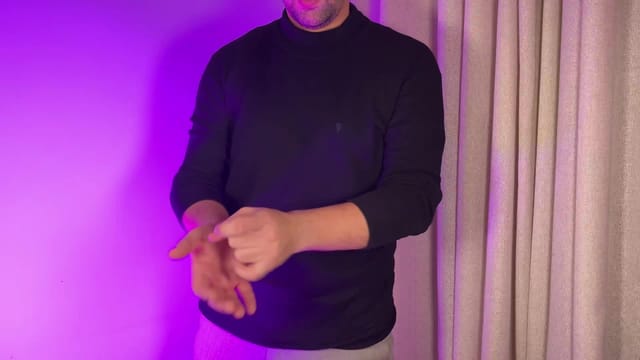
False transfer with classic palm
The classic palm allows you to retain a coin during an apparent transfer. José Arcario explains several ways to reach this position and connects them to a coherent presentation.
The two videos feature a slow-motion commentary example and the close-up technical explanation. The context used is a vanish after rolling up your sleeves.
Several ways to get there
Different entries into the palm are shown during the depositing action. José proposes a hand-showing sequence as a starting point to study the handling.
The explanation links the familiar classic palm position with the cover provided by the movement. It is advisable to have a comfortable grip before working on the apparent transfer.
Integrating the small movement
The principle of covering a minor action within a broader movement is discussed. The swaying and the gesture of placing the coin contribute to this cover.
The work does not end with the retention: the hand continues with an action that justifies having become free to act, while attention follows the one that apparently holds the coin.
Practicing with a genuine action
José suggests alternating real and simulated deposits. The comparison allows you to study the rhythm and shape of the gesture you want to portray.
The goal is for the practice to maintain a real reference, rather than simply repeating the technical move.
The slow-motion example
The clip discusses reaching the palm, the swaying that covers it, and the continuation towards the sleeve. Afterward, the role of the relaxed hand and the timing of the vanish are observed.
You need a coin and proficiency in the classic palm position. The sleeve is the justification for the example; the explanation suggests adapting the intent to the context in which the false transfer is used.