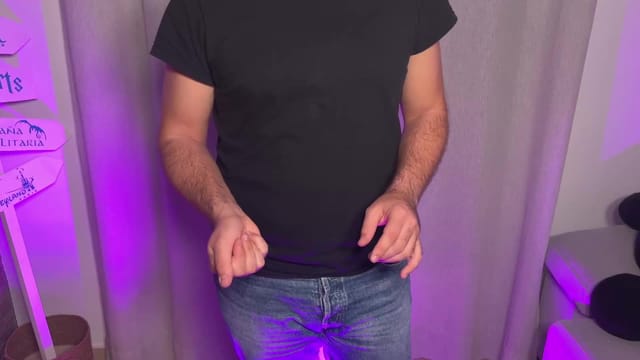
Coin vanishes: naturalness, rhythm and motivation
Let the vanish begin before the magical gesture
A vanish depends on technique, but also on how the coin is apparently handed over, what each hand does afterward and when the result is revealed. José Arcario devotes this lesson to those details of execution and presentation, using palms and false transfers as the foundation.
The video develops applications of classic palm, finger palm and Italian or thumb-web palm. It also adds a retention vanish and explains the value of the coin's last visible image.
Compare the real action with the technical action
The first exercise is to genuinely pass the coin from one hand to the other and observe your own movement. That reference guides the technical action, aiming to preserve the same outward rhythm and path.
José applies this idea to classic and finger palms, alternating real and apparent transfers in demonstrations. In the tossing action, he highlights a specific detail: the slight delay between the coin leaving one hand and the receiving hand closing. That interval belongs to the action being imitated.
Give the free hand a purpose
Rolling up a sleeve, picking up an object or approaching the spectator are examples of actions that can motivate the change of hands. The explanation examines how to choose a logical continuation and keep the hand retaining the coin from becoming stiff or purposeless.
The instructor uses a remote as a supporting object, in place of a wand, to show the difference between an isolated transfer and a motivated sequence. He also addresses hand relaxation and the construction of the magical gesture, including his way of imagining the coin crumbling before opening the hand.
Italian palm and retention
In the vanish based on Italian palm, you will work on the distance between the hands and the coordination of their closing. In retention, attention goes to the instant when the coin is still visible on the palm and the continuity of the movement afterward. The explanation includes repetitions and a slow demonstration to study that connection.
You will need one coin and, to reproduce the motivation examples, an everyday object you can naturally pick up. Familiarity with the palm and false-transfer positions is helpful: the lesson applies them to the vanish and explores the details that make its presentation convincing.