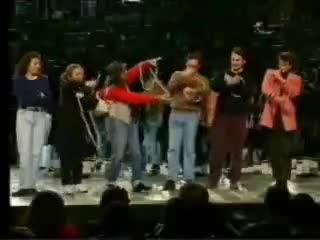
Impossible Knot
How This Trick Gets Reactions
This effect is all about the gap between what the audience sees and what they can actually do. You invite people to follow your lead, promising them they can tie a knot without letting go of the rope ends. Because you use a specific, subtle handling, you succeed while they end up with nothing but a tangled mess. It’s a perfect way to show off and have a bit of fun with your audience at the same time.
How It's Taught
The lesson breaks the move down into a clear, step-by-step process. You start by learning the "fish head" loop and how to hook your hand through, then move into the release—where you switch from holding the end with your whole hand to pinching it with your ring and pinky fingers. Julio focuses on how to hide this switch within a larger, natural gesture so the audience never suspects the release.
What Level Is This For
This is an intermediate trick. It’s not self-working, so you’ll need to practice the timing of the release. It shouldn’t take long to get the mechanics down, but it takes a little bit of repetition to make the move look fluid and natural. If you can handle a piece of rope, you can learn this.
About the Instructor
Julio Ribera is a Spanish magician known for his practical, no-nonsense approach to magic. He specializes in breaking down complex-looking routines into simple steps that you can perform anywhere, from the street to a stage.
What's Included
- The "fish head" loop setup
- Hand-to-hand coordination for the rope pass
- The ring and pinky finger pinch technique
- Using large gestures to cover small, secret moves
- Performance tips for keeping the audience engaged while they struggle to follow you
Frequently Asked Questions
How long until I can actually perform this?
You can get the mechanics down in one practice session. The "magic" part happens once you get comfortable with the timing of the release.
What if I have small or large hands?
The size of your hands doesn't matter. It’s all about the grip and the follow-through. Once you find the spot where your fingers feel comfortable pinching the rope, it works every time.
Is this easier with certain types of rope?
A soft, medium-thickness rope works best. If the rope is too stiff, it’s harder to manage the loops; if it’s too thin, the pinch is harder to control.
Can I learn this without a teacher watching?
Yes. The video tutorials break the movement down from multiple angles so you can check your own technique against the guide.