Knots and transformations with ropes

Four lessons with explanations by Julio Ribera: an impossible knot challenge, a knot transposition, the handling of the Hindu rope, and the classic version of Professor's Nightmare.
Knots and transformations with ropes
Four lessons with explanations by Julio Ribera: an impossible knot challenge, a knot transposition, the handling of the Hindu rope, and the classic version of Professor's Nightmare.
4 Lessons
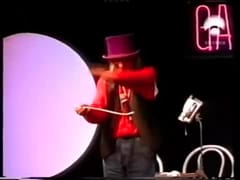
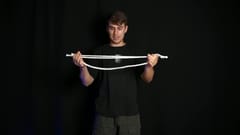
This learning path brings together four ways to present rope magic: a participatory challenge, a knot transposition, a rope that alternates between flexibility and rigidity, and a length transformation. Each lesson contains a performance and an explanation, for a total of eight videos.
Julio Ribera's explanations break down the handlings and their presentation resources. The materials and prior knowledge required vary from one lesson to the next: three work with standard ropes prepared for the effect; the Hindu rope requires a specific gimmicked prop.
The four lessons in order
- The Impossible Knot. Participants try to replicate the magician's moves and fail to get the same result. The explanation covers the handling used to form the knot, its cover within a broader action, and the structure of the challenge as a potential opener for a participatory routine.
- Traveling Knots. Three knots appear to vanish from one rope and materialize on another guarded by the spectators. The explanation combines the phantom knot with the instant multiple production, sleights you should already know and which are reviewed within the routine. The work covers preparation, gestures for gathering the knots, and the order of checks.
- Hindu Rope. The operation and use of a gimmicked rope that can be kept rigid are explained. The comedic performance and the commentary in the explanation show how to build anticipation through attempts, shifts between vertical and horizontal positions, and subtle handling nuances. Julio cites a presentation by Juan Tamariz as a reference.
- Professor's Nightmare. The relationship between three lengths is set up and the classic version is taught: examination and gathering, apparent evening out, the display, and return to the initial sizes. It includes two handling options for the display and details on cover during audience interaction.
Materials and prior knowledge
For the knot challenge, you need a sufficiently long rope and one for each participant following along. Traveling Knots uses two ropes; bags, the table, or the spectators' hands are options for staging the custody and the revelation.
The Hindu rope requires the gimmicked product of that name. A normal rope cannot substitute for it; you can find it at your usual magic shop. For Professor's Nightmare, you need three pieces of similar appearance and coordinated lengths, the preparation of which is explained in its lesson.
Traveling Knots builds on two prior sleights, whereas the other tutorials develop their own specific handlings. References to knot courses and an expanded course on Professor's Nightmare do not mean that all of their sleights, preparations, or variants are included here.
You can practice the four lessons separately, paying attention to their materials and sequence. In participatory routines, the clarity of instructions, natural movements, and the order of checks matter just as much as remembering the technical steps.