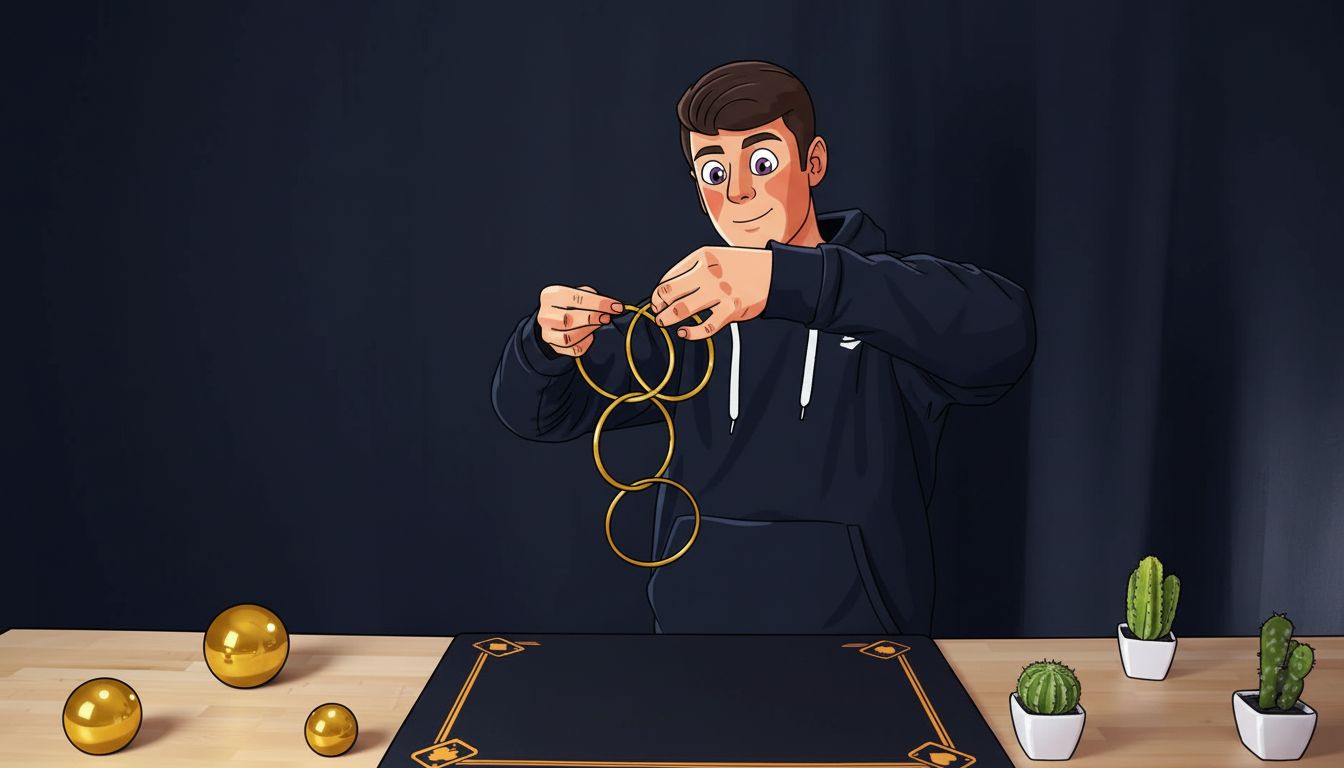
Close-Up Linking Rings Masterclass

Learn a complete close-up routine with four metal rings, from basic grips to advanced techniques like the silent link and table unlinking.
Close-Up Linking Rings Masterclass
Learn a complete close-up routine with four metal rings, from basic grips to advanced techniques like the silent link and table unlinking.
10 Lessons
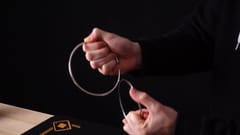
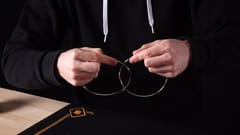
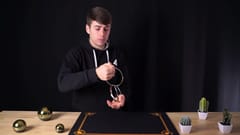
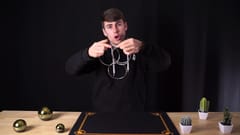
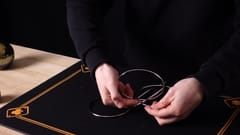
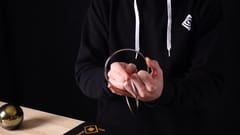
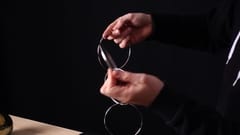
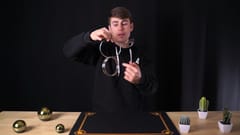
Why Most Ring Routines Look Clumsy
Most people treat linking rings like a stage prop. They move too fast, make too much noise, and the audience can tell exactly where the "secret" is. If you just bang the rings together, it looks like a puzzle, not magic.
Making Metal Melt
When you fix your grips and slow down, the rings stop looking like hardware. They start looking like liquid. By using specific finger placements—like the pinky and index grips—you can show the rings clearly and still make the link happen right under someone's nose. You’ll go from "clanking metal" to a visual moment where rings simply slide through each other without a sound.
Master the Close-Up Routine
Julio Ribera teaches you how to handle the smaller "ninja" style rings designed for close-up and street magic. You won't just learn one way to link them; you'll learn multiple methods like the Rubbing Link and the Vertical Drop. You'll also learn how to handle the rings on a table to prove there's no funny business with your hands.
By the end of this course, you’ll have a structured 10-minute routine. You start with four separate rings, link them into chains and patterns, and then let them melt apart one by one for the finish.
About Julio Ribera
Julio is a Spanish magician who built a massive following by making magic look effortless. He doesn't like dry theory. He teaches by "doing," showing you the real-world moves he uses in his street performances and videos.
What You'll Learn
- Essential Grips: How to hold the key ring using the pinky and index finger positions to hide the opening.
- The False Count: A deceptive way to show four separate rings when they aren't.
- The Rubbing Link: A visual technique where the rings appear to dissolve through each other.
- Silent & Advanced Links: How to link the rings without making a sound and how to perform a link off your wrist.
- The Table Phase: Techniques to link and unlink rings directly on a table surface.
- Full Routine Construction: A step-by-step guide to putting all the phases together into a professional act.
Frequently Asked Questions
What if I’ve never used linking rings before?
That’s actually better. You won't have any bad habits to break. Julio starts with the basic grips so you can build your skills the right way from the first lesson.
Do I need a specific set of rings?
This course focuses on "Ninja Rings," which are smaller rings (usually 4.5 to 5 inches) meant for close-up. If you have large stage rings, the moves still work, but they are much easier to learn with the smaller set.
How do I know if I'm doing the link correctly?
In the lessons on the Silent Link and the Rubbing Link, Julio explains exactly what to look for in the mirror. If you can't see the gap from your own perspective, your audience definitely won't see it from theirs.
Why Most Ring Routines Look Clumsy
Most people treat linking rings like a stage prop. They move too fast, make too much noise, and the audience can tell exactly where the "secret" is. If you just bang the rings together, it looks like a puzzle, not magic.
Making Metal Melt
When you fix your grips and slow down, the rings stop looking like hardware. They start looking like liquid. By using specific finger placements—like the pinky and index grips—you can show the rings clearly and still make the link happen right under someone's nose. You’ll go from "clanking metal" to a visual moment where rings simply slide through each other without a sound.
Master the Close-Up Routine
Julio Ribera teaches you how to handle the smaller "ninja" style rings designed for close-up and street magic. You won't just learn one way to link them; you'll learn multiple methods like the Rubbing Link and the Vertical Drop. You'll also learn how to handle the rings on a table to prove there's no funny business with your hands.
By the end of this course, you’ll have a structured 10-minute routine. You start with four separate rings, link them into chains and patterns, and then let them melt apart one by one for the finish.
About Julio Ribera
Julio is a Spanish magician who built a massive following by making magic look effortless. He doesn't like dry theory. He teaches by "doing," showing you the real-world moves he uses in his street performances and videos.
What You'll Learn
- Essential Grips: How to hold the key ring using the pinky and index finger positions to hide the opening.
- The False Count: A deceptive way to show four separate rings when they aren't.
- The Rubbing Link: A visual technique where the rings appear to dissolve through each other.
- Silent & Advanced Links: How to link the rings without making a sound and how to perform a link off your wrist.
- The Table Phase: Techniques to link and unlink rings directly on a table surface.
- Full Routine Construction: A step-by-step guide to putting all the phases together into a professional act.
Frequently Asked Questions
What if I’ve never used linking rings before?
That’s actually better. You won't have any bad habits to break. Julio starts with the basic grips so you can build your skills the right way from the first lesson.
Do I need a specific set of rings?
This course focuses on "Ninja Rings," which are smaller rings (usually 4.5 to 5 inches) meant for close-up. If you have large stage rings, the moves still work, but they are much easier to learn with the smaller set.
How do I know if I'm doing the link correctly?
In the lessons on the Silent Link and the Rubbing Link, Julio explains exactly what to look for in the mirror. If you can't see the gap from your own perspective, your audience definitely won't see it from theirs.