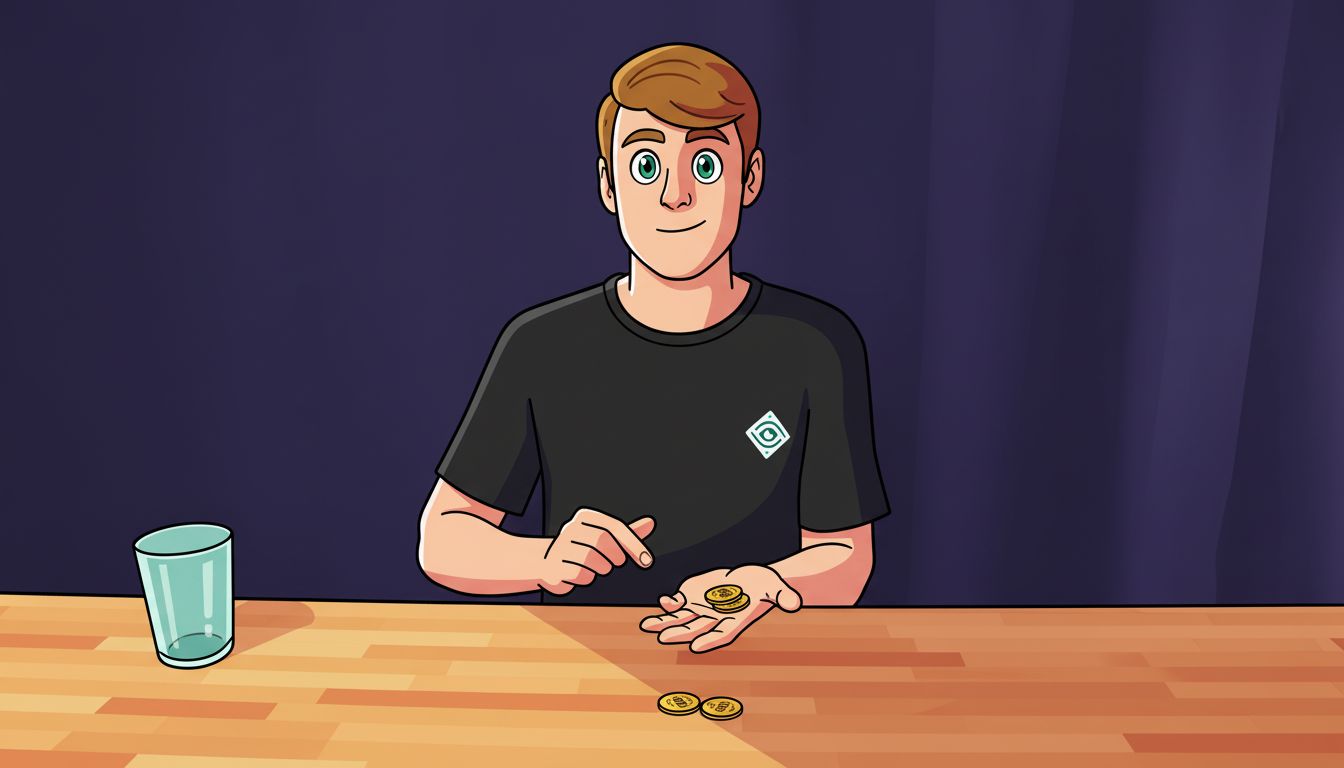
Kangaroo Coins: technique and patter of the four passes

Julio Ribera teaches his version of coins penetrating a table and arriving inside a glass. Includes performance, patter, classic palm, lapping, and the study of each penetration, featuring three handlings for the second coin.
Kangaroo Coins: technique and patter of the four passes
Julio Ribera teaches his version of coins penetrating a table and arriving inside a glass. Includes performance, patter, classic palm, lapping, and the study of each penetration, featuring three handlings for the second coin.
6 Lessons
Kangaroo Coins: Demonstration and Patter Construction
Classic Palm for coins and lapping
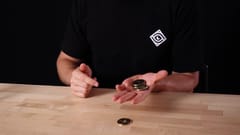
Coin Through Table: Technique, Attention, and the Magic Moment
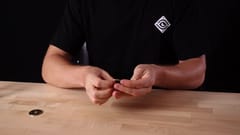
Second Coin Through Table: Three Handlings and Their Timing
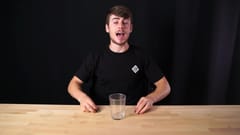
Third coin: symmetry, sound and rhythm on the table
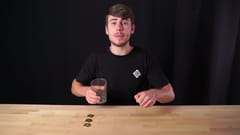
Final Coin: Justified Move and Routine Finale
Four coins apparently penetrate a table and gather in a crystal glass. This six-lesson course develops Julio Ribera's version of the kangaroo coins, combining technique, attention, sound, and the construction of the spectator's experience.
Observing the routine and understanding the patter
The journey begins with a complete performance and a reflection on his choices. Julio explains the role of the glass as a sound element, his preference for a handling adaptable to everyday situations, and the difference between a justification integrated into the story and a proof that introduces suspicion. The story uses a reference to physics as a magical plot, without constituting a science lesson.
Preparing the tools
The second lesson teaches the position and entry into the classic palm, with practice for naturalness and attention to the thumb. Afterwards, it covers lapping: seated posture, table conditions, distance, reception, and recovery of the coin.
It also explains how to reduce visible arm movements and organize the work with the glass. This is a necessary foundation for studying the penetrations with control and without looking under the table.
Developing the penetrations
The first coin combines technical setup with two attention strategies related to the glass's position. A classic presentation and one with progressive placement are compared, studying the taps, the pause, and the verification of the effect.
For the second coin, three handlings are taught, with alternatives using finger palm and classic palm. A theoretical video shows how to recap what happened during the audience's relaxation and announce the continuation when the setup is already integrated.
The third penetration brings a brisker pace. The explanation uses symmetry and sound to reinforce the situation of the coins, leaving the glass ready for the climax. The final lesson covers the justified retrieval, the final pass, and the image of the four gathered coins.
What you need and who it is for
You need four ordinary coins, a crystal glass, and a table that allows for lapping while seated with your legs in a proper position. The instructor presents optional posture and reception aids, without requiring any commercial product.
The routine requires practice with palms, lapping, and coordination between both hands. The course provides the breakdown of the four passes and their presentation choices, but the result depends on also working on rhythm, angles, and misdirection from the audience's perspective.