Rubber band magic: penetrations, color changes and animations

Julio Ribera teaches six routines with ordinary rubber bands. Nine videos bring together penetrations, links, a color change, a ring rise and Stairway, featuring setup, cover and spectator participation.
Rubber band magic: penetrations, color changes and animations
Julio Ribera teaches six routines with ordinary rubber bands. Nine videos bring together penetrations, links, a color change, a ring rise and Stairway, featuring setup, cover and spectator participation.
6 Lessons
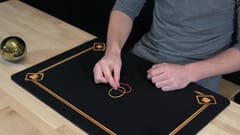
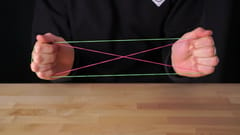
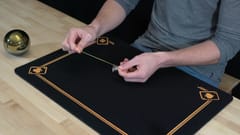
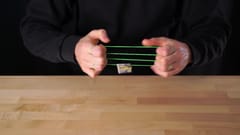
Rubber bands allow you to build visual routines with minimal props: penetrating a finger, separating two seemingly trapped bands, changing a figure's color or animating an object. Julio Ribera breaks down six effects across nine videos, combining performances and explanations.
The course uses everyday items and works on both handling and presentation. The handling in the hands, tension and moments of attention are all part of the learning process.
The Thru-Thumb Rubber Band
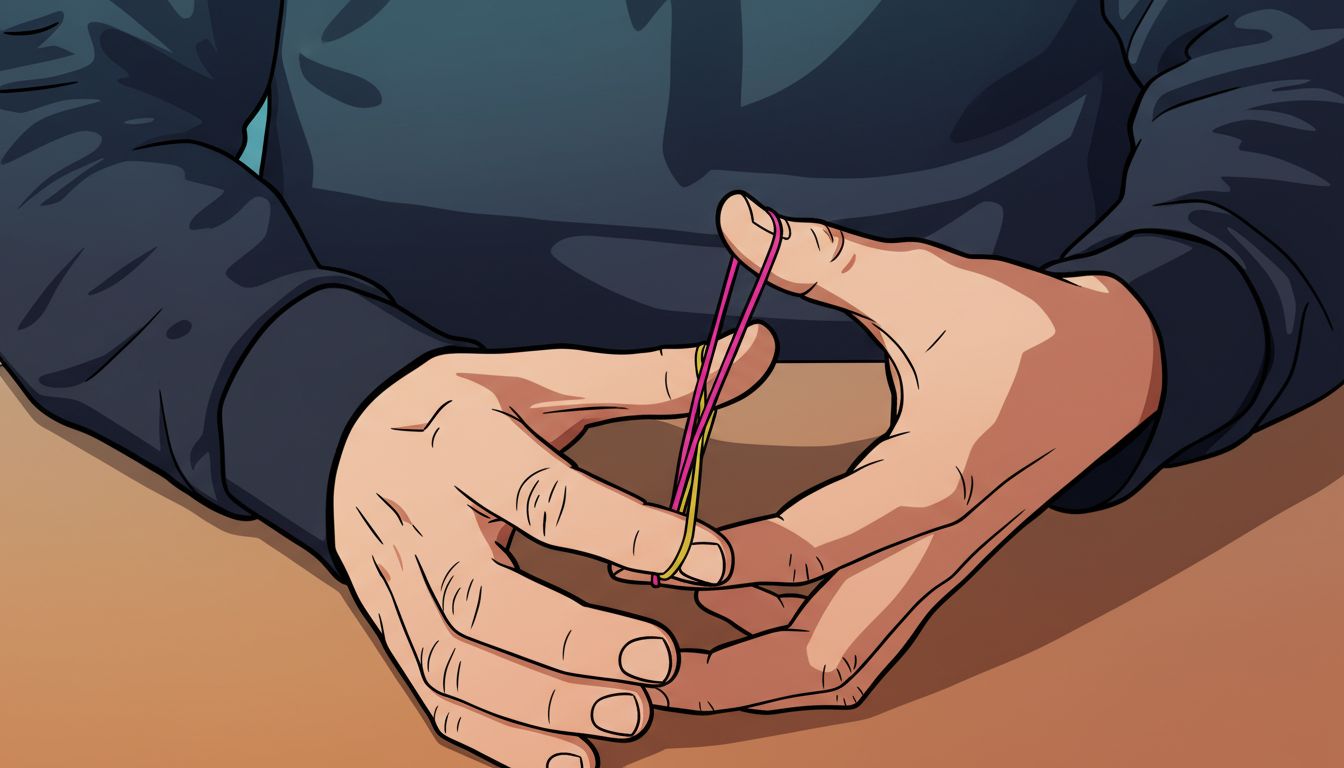
The first lesson teaches a penetration with a single band. Placement, tension control and the gesture that creates the illusion of passing right through the thumb are all explained.
Frontal cover is also discussed, along with the index finger's role in reinforcing the image that the band is trapped.
Crazy Man's Handcuffs
Two bands that appear trapped between the fingers penetrate through each other and become separated. The performance and explanation cover the setup, coordination and symmetry between both hands.
The lesson includes a second phase where the spectator holds one of the bands. Instructions for positioning their hands, available space and adapting your gestures are all covered.
Linking and Unlinking
Another linking and unlinking effect with two bands is examined. The video shows a hands-only version and another utilizing the mouth, both based on a common setup.
Julio explains the offbeat as a moment when attention relaxes and suggests a question to execute the setup. Both variants develop cover and fluid arm movements.
A Color-Changing Cross
Using two differently colored bands, a central cross is formed whose color appears to change. The setup, image substitution and a phase utilizing the justification of showing both the front and back are taught.
The colors and elasticity of the material are important. Practice connects the wide rotation of the hands with the small actions that must be seamlessly integrated into it.
The Rising Ring
A ring travels up a cut rubber band. The explanation covers placement, cover and regulating the tension that drives the movement.
An ordinary ring and rubber band are used and can be examined. The band must be cut for this setup; the effect requires neither invisible thread nor any levitation device.
Stairway
Julio explains Marcus Eddie's Stairway, in which a banknote travels up a ladder of rubber bands and can travel back down. The banknote can be replaced with a piece of paper or a playing card.
Two setups are taught: a simpler one timed during a shift in attention, and a more advanced one required for the descent phase. The ascent can also be performed on its own.
The paperclip is optional, and an alternative is explained by folding the corners of the material. Spectator participation is also suggested for placing the banknote, holding it during the final ascent and removing the props at the end.
Materials and Practice
The basic props are ordinary rubber bands. The color change requires two colors with sufficient elasticity; the ring effect requires a cut band; Stairway adds a banknote, paper or card and, optionally, a paperclip.
The explanations cover initial placement from the very beginning. It is best to practice the positions first and then integrate them with the tension, cover and timing of each effect.
Each effect combines its handling in the hands with the gestures and pacing of the presentation. Working with everyday objects allows you to focus on placement, tension control and the clarity of the magic moment.