One-Handed Cardistry Flourishes

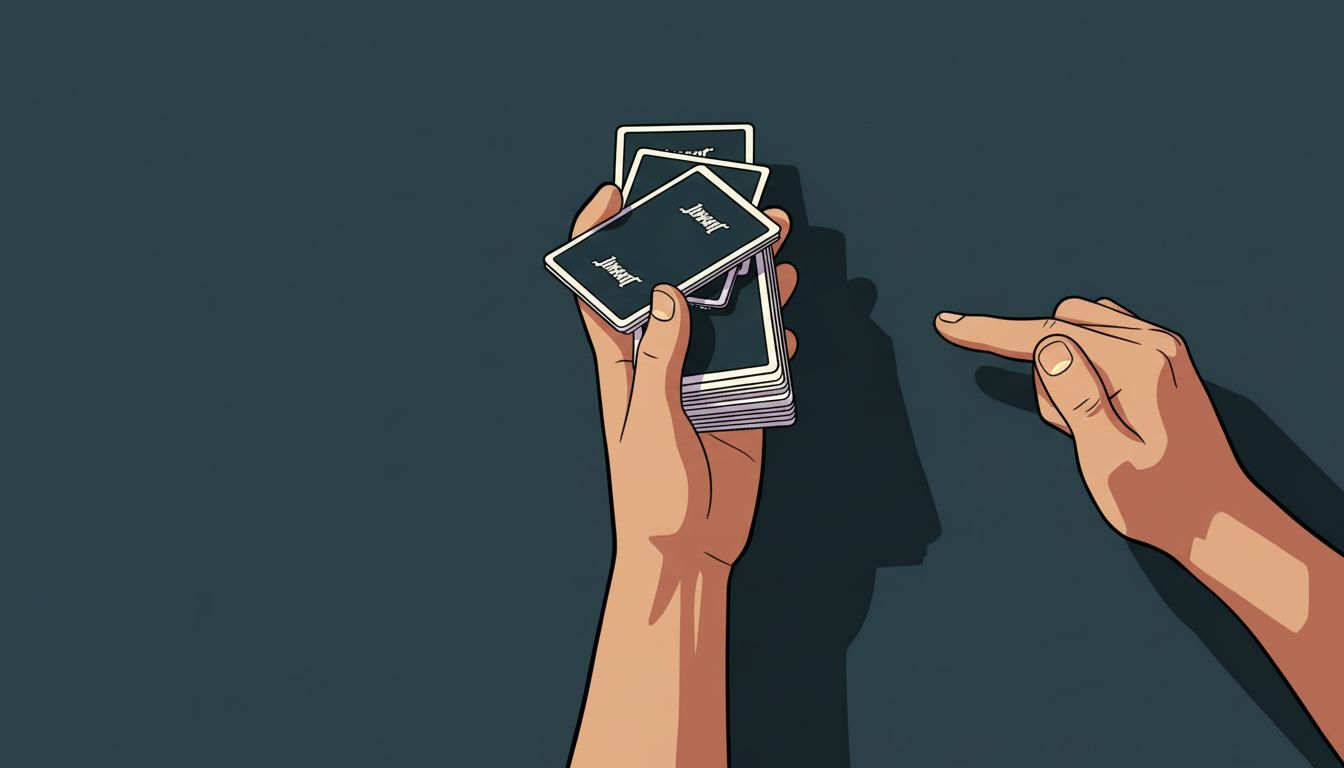
Learn two visual one-handed flourishes, Trigger and Re-Trigger, to flip and spin packets of cards in a continuous loop.
One-Handed Cardistry Flourishes
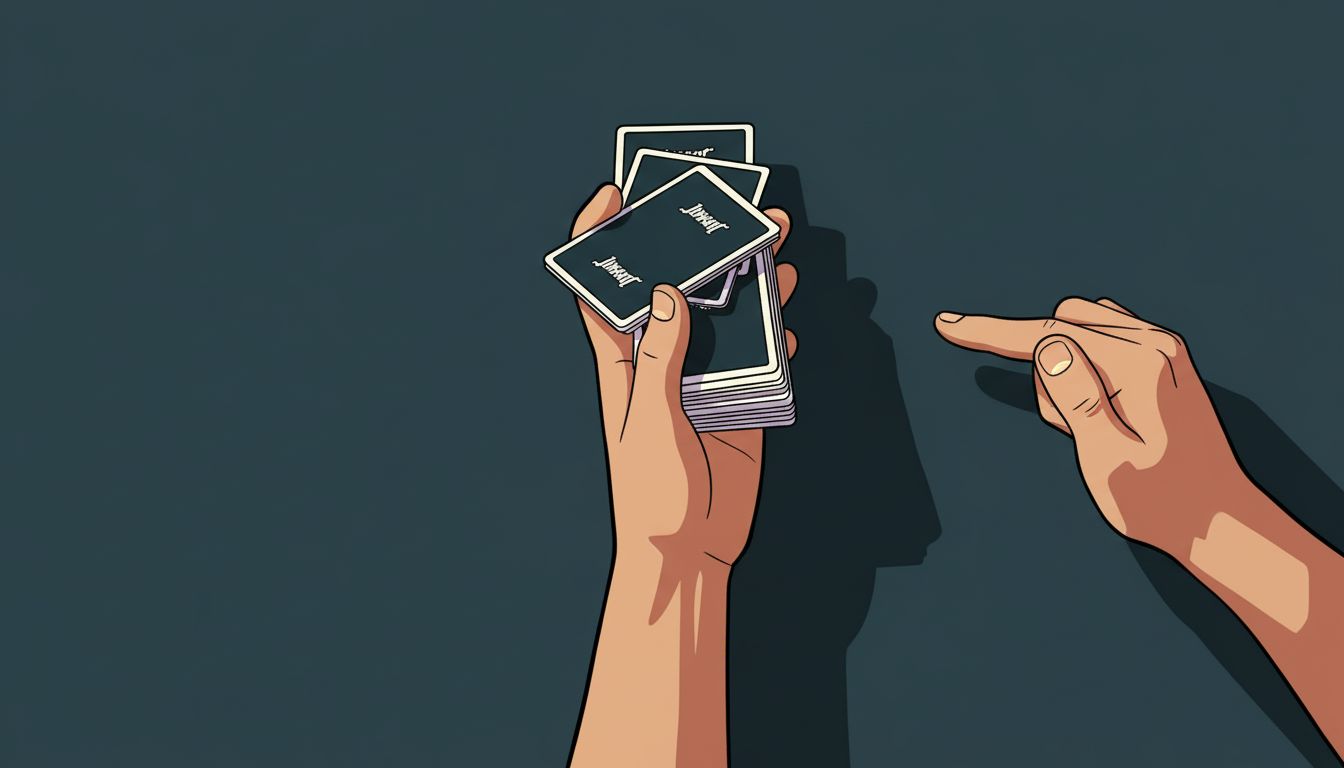
Learn two visual one-handed flourishes, Trigger and Re-Trigger, to flip and spin packets of cards in a continuous loop.
Spin and Loop Cards with One Hand
You’ll learn how to flip, pivot, and spin packets of cards using only one hand. These flourishes look great on camera or in person, and they help you look like a pro even when you aren't doing a trick. Imagine finishing a card trick and casually spinning the deck in a continuous loop while you talk.
How the Lessons Work
The course is split into two parts. First, you learn Trigger, which is the basic flip and revolution. It's the foundation for everything else. After that, you'll learn how to turn that single move into a continuous cycle called Re-Trigger. This builds your skill step-by-step so you don't feel overwhelmed.
Practice and Skill Level
This is an intermediate skill. You don't need to be a cardistry expert, but you should be comfortable holding a deck. The hardest part is keeping your thumb and fingers in the right spots so the cards don't fall. If you can do a basic one-handed cut, you're ready for this. It takes a bit of repetition to make the motion smooth, but it’s a great way to keep your hands busy.
Your Instructor
Julio Ribera is a master at teaching visual magic and cardistry. He has taught millions of people online and knows exactly where beginners usually struggle. He explains the finger placements clearly so you don't get frustrated or drop your cards.
What You'll Learn
- The Trigger one-handed cut
- Flipping a packet 180 degrees
- Revolving cards around the deck
- The Re-Trigger infinite loop
- Tips for smoother transitions
- How to combine these moves with other flourishes
Frequently Asked Questions
Can I skip the first lesson?
It's best to start with Trigger. Re-Trigger uses the exact same finger mechanics, so you need the foundation first. Once you can do one flip comfortably, the loop will be much easier to learn.
How much practice do I need?
You'll probably drop some cards at first. Spend about 15-20 minutes a day practicing while you're watching a movie or hanging out. Most people get the motion down in a few days and make it smooth within a week.
What if my hands are small?
The straddle grip used in these moves can be a stretch at first. If you're struggling, try using a deck that has been broken in, or take out about 10 cards to make the deck thinner while you learn the mechanics.
Do I need a specific deck?
Any standard deck of cards works. However, a newer deck will help the packets slide and spin more easily than an old, sticky deck.
Spin and Loop Cards with One Hand
You’ll learn how to flip, pivot, and spin packets of cards using only one hand. These flourishes look great on camera or in person, and they help you look like a pro even when you aren't doing a trick. Imagine finishing a card trick and casually spinning the deck in a continuous loop while you talk.
How the Lessons Work
The course is split into two parts. First, you learn Trigger, which is the basic flip and revolution. It's the foundation for everything else. After that, you'll learn how to turn that single move into a continuous cycle called Re-Trigger. This builds your skill step-by-step so you don't feel overwhelmed.
Practice and Skill Level
This is an intermediate skill. You don't need to be a cardistry expert, but you should be comfortable holding a deck. The hardest part is keeping your thumb and fingers in the right spots so the cards don't fall. If you can do a basic one-handed cut, you're ready for this. It takes a bit of repetition to make the motion smooth, but it’s a great way to keep your hands busy.
Your Instructor
Julio Ribera is a master at teaching visual magic and cardistry. He has taught millions of people online and knows exactly where beginners usually struggle. He explains the finger placements clearly so you don't get frustrated or drop your cards.
What You'll Learn
- The Trigger one-handed cut
- Flipping a packet 180 degrees
- Revolving cards around the deck
- The Re-Trigger infinite loop
- Tips for smoother transitions
- How to combine these moves with other flourishes
Frequently Asked Questions
Can I skip the first lesson?
It's best to start with Trigger. Re-Trigger uses the exact same finger mechanics, so you need the foundation first. Once you can do one flip comfortably, the loop will be much easier to learn.
How much practice do I need?
You'll probably drop some cards at first. Spend about 15-20 minutes a day practicing while you're watching a movie or hanging out. Most people get the motion down in a few days and make it smooth within a week.
What if my hands are small?
The straddle grip used in these moves can be a stretch at first. If you're struggling, try using a deck that has been broken in, or take out about 10 cards to make the deck thinner while you learn the mechanics.
Do I need a specific deck?
Any standard deck of cards works. However, a newer deck will help the packets slide and spin more easily than an old, sticky deck.