

The Magician's Test: Study of a Routine

A lesson and three videos to study a routine with two decks: Julio Ribera's adaptation, Daniel's presentation, and a comparative analysis. Script, color change, participation, economy of motion, and closer.
The Magician's Test: Study of a Routine
A lesson and three videos to study a routine with two decks: Julio Ribera's adaptation, Daniel's presentation, and a comparative analysis. Script, color change, participation, economy of motion, and closer.
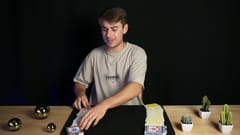
A complete case study on reviewing a routine
This path brings together a lesson and three videos centered around The Magician's Test. Julio Ribera studies a proposal by Daniel and develops an adaptation to showcase his thought process when reviewing existing magic.
The routine combines a deck color change with a double coincidence and uses a test for aspiring magicians as its patter.
Two presentations to compare
The journey begins with Julio's proposal and continues with Daniel's presentation. The videos allow you to follow the differences in script, pacing, and audience participation distribution.
The adaptation suggests that two people experience the sequence and that each one seemingly locates the other's card.
The analysis of decisions
The third video, about 34 minutes long, reviews clips from both versions. It examines the opening question and thematic continuity, the weight of the color change, temporal separation, and cover.
The commentary also covers the economy of motion, card orientation, back contrast, recap, and the presentation of the coincidences.
Sleights are evaluated based on the function they serve within the story.
Materials and foundations
The study uses two decks that have identical faces with contrasting backs, their card cases, and a table for dealing. Part of the handling discussed utilizes lapping.
It is helpful to be familiar with the double prediction and sleights such as the Hindu shuffle, breaks, and the double undercut. The lesson applies these resources to a case study on structuring and presentation.
The goal is to apply this process to your own routines: record yourself, examine what each action contributes, and test the changes in front of an audience.