False transfers with sponge balls: basic and visual retention
Two ways to make it look like you are leaving a sponge ball
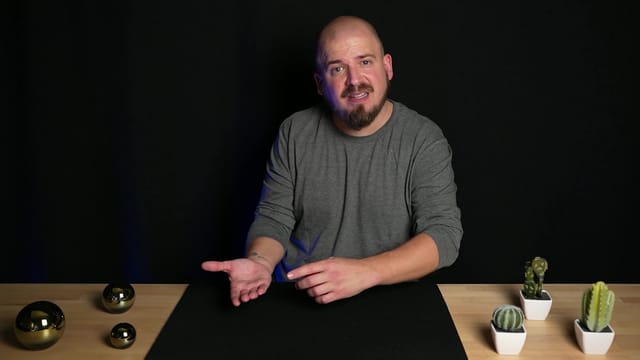
Yago Turia explains a basic false transfer and his version of a visual retention false transfer. Both create the impression that the sponge remains in one hand while setting up the continuation of the effect.
The lesson contains two videos focused on the technique. You will need an ordinary sponge ball to practice and familiarity with its compression and finger palm.
Grip and cover
The basic handling explores how to transition from holding the sponge naturally to the position required to perform the apparent transfer.
Work is done on finger cover, the hand that remains steady during the first part, and the moment the other hand pulls away. Yago highlights the exit from the top and compares it to a side exit that can give the impression of a steal.
Which hand becomes the star
The explanation coordinates the closing of the receiving hand with the relaxation of the other. Next, it examines when to direct attention toward where the spectator believes the sponge was left.
To build that continuity, it is suggested to first practice by genuinely leaving the object and then repeat the exact same path using the technical handling.
Visual retention
The second video develops the version used by Yago. It is repeated from the front, slower, and up close to study the visible image of the sponge and its connection to the closing of the hand.
The instructor presents the imitation of the movement as a starting point and underlines the importance of timing and tempo. Knowing the finger positions is not enough: you must connect them with speed and continuity.
How to practice
You can study the basic false transfer first and then compare it to the visual retention. Work on the real gesture, cover, and relaxation before integrating them into a routine.
Both handlings use ordinary sponge balls. The content focuses on these apparent transfers, not on teaching a complete routine from beginning to end.