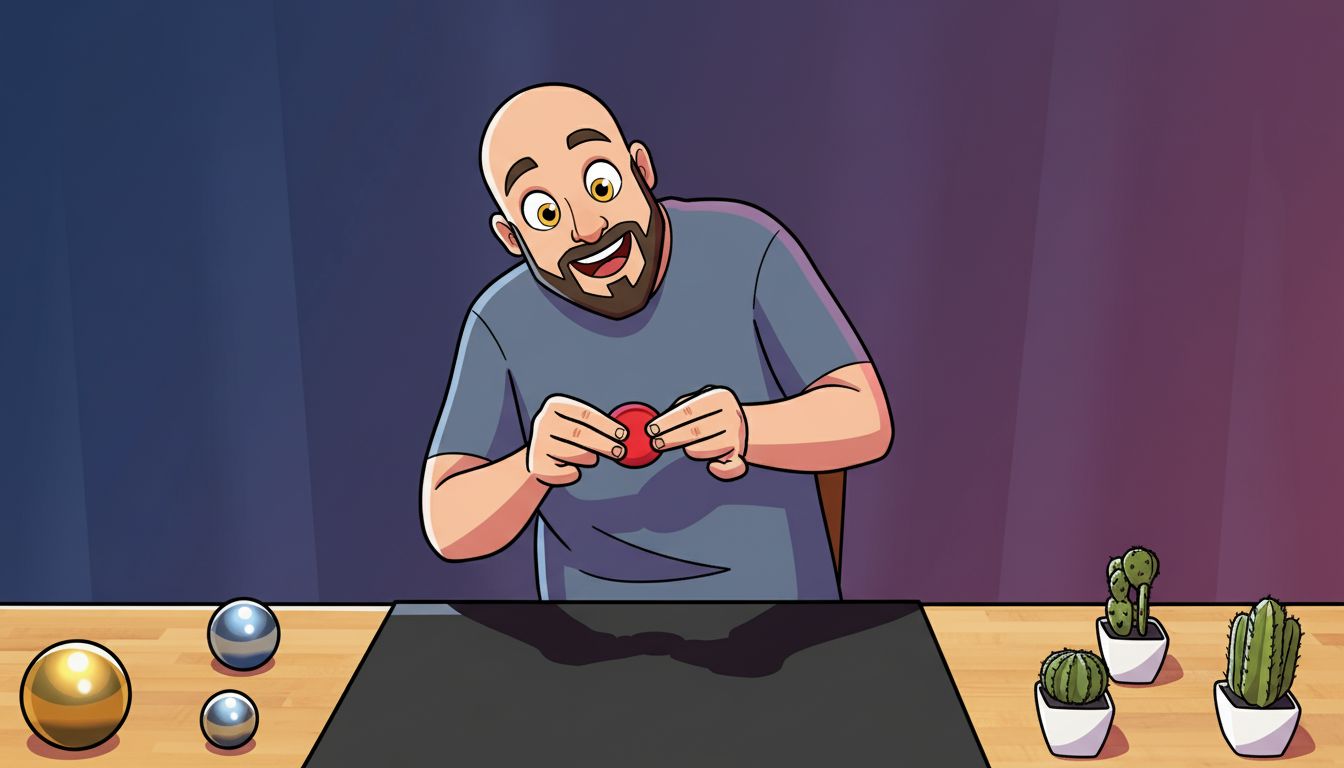
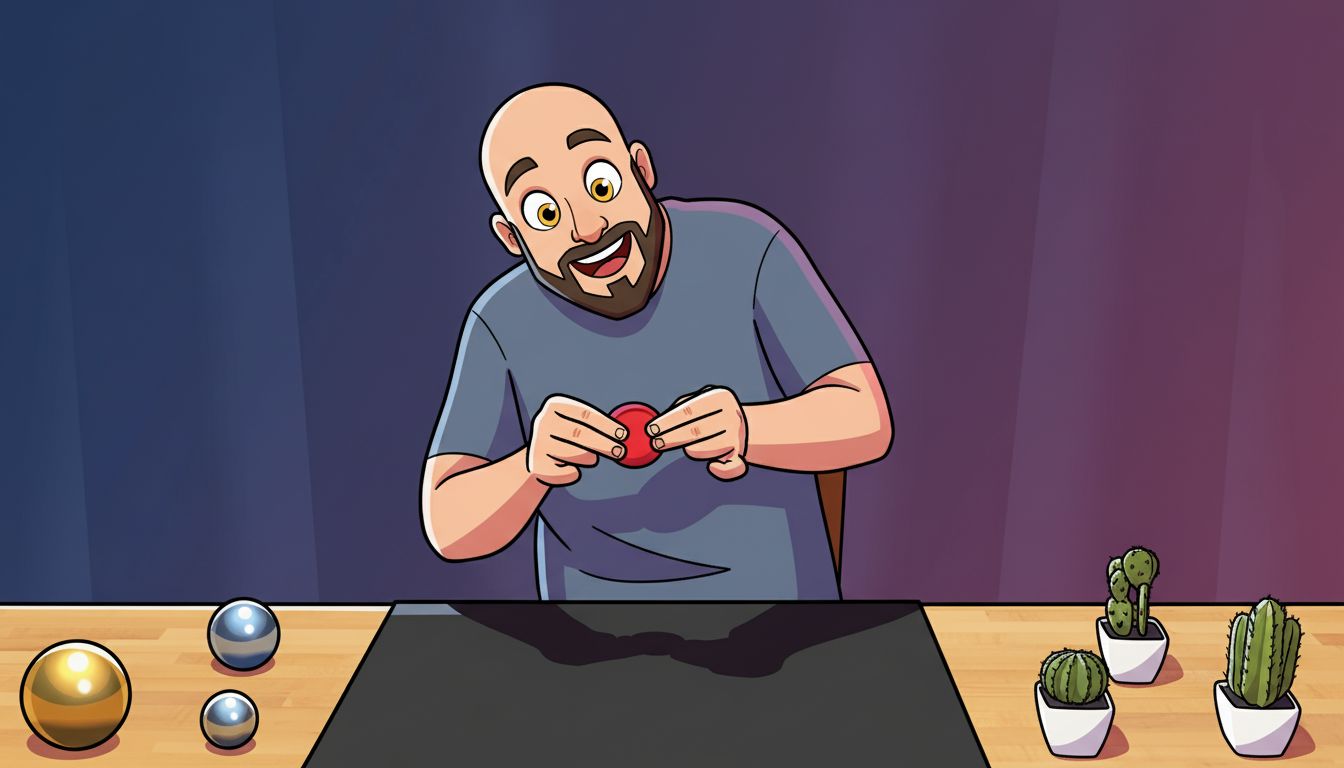
Sponge Ball Fundamentals
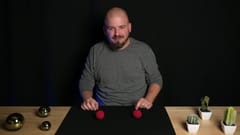
A practical guide to sponge ball magic, covering essential palming, false transfers, and visual routines you can perform anywhere.
Sponge Ball Fundamentals
A practical guide to sponge ball magic, covering essential palming, false transfers, and visual routines you can perform anywhere.
By Yago Turia
7 Lessons

What Most People Get Wrong
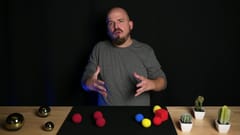
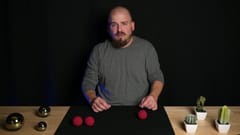
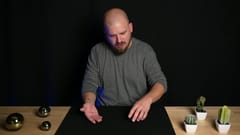
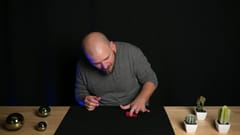
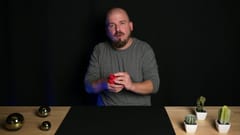
Many magicians think that sponge magic is just about squeezing a ball and hoping the spectator doesn't look too closely. They focus on the prop rather than their hands. This makes the move look stiff and obvious, which ruins the surprise when the ball finally "appears" or "vanishes."
Why It Matters
When you focus on natural movement and timing, the magic happens in the spectator's mind rather than your fingers. You'll stop worrying about whether they'll see the ball hidden in your palm and start enjoying the look on their faces when they realize they've been holding the "missing" sponge the whole time. It’s the difference between a clumsy trick and a moment of genuine wonder.
What You'll Learn
This course covers the essentials of sponge manipulation, from how to choose the right texture for your hands to the mechanics of a perfect false transfer. You’ll learn how to produce sponges from thin air, multiply them, and even transform them into different shapes.
We break down the "Ten Count" drill to help you build the muscle memory needed for fluid, invisible moves. By the end, you’ll have a complete travel routine that uses simple misdirection and spectator participation to make the balls move between hands as if by magic.
About the Instructor
Yago Turia is a specialist in close-up magic who focuses on creating practical, effective routines. He designs his material for real-world performance, ensuring that every move is as simple as it is visual.
What's Included
- Sponge Fundamentals: Choosing the right props and basic palming techniques.
- Retention Vanishes: Mastering the mechanics for natural-looking false transfers.
- Production Techniques: Producing balls from thin air and using sleeves for multiple loads.
- The Ten Count Drill: A foundational exercise for fluid hand movements.
- Multiplication & Transformation: Visual sequences including the sponge-to-cube change.
- Travel Routine: A full, reliable routine featuring transpositions and spectator interaction.
Frequently Asked Questions
What if I've been doing it wrong for years?
That's actually a good thing. You already have the props. Now you just need to adjust your timing and focus on the "why" behind the movement instead of just the "how."
Is this the only correct way to do these moves?
Not at all. Magic is about what works for your hands and your style. These methods are designed to be a solid foundation that you can adapt as you get more comfortable.
How do I know when I'm doing it right?
The best test is a mirror or a quick video recording. If your movement looks like you’re just holding something, you’re on the right track. If it looks like you're trying to hide something, keep practicing the flow until it feels as natural as picking up a coin.
What Most People Get Wrong
Many magicians think that sponge magic is just about squeezing a ball and hoping the spectator doesn't look too closely. They focus on the prop rather than their hands. This makes the move look stiff and obvious, which ruins the surprise when the ball finally "appears" or "vanishes."
Why It Matters
When you focus on natural movement and timing, the magic happens in the spectator's mind rather than your fingers. You'll stop worrying about whether they'll see the ball hidden in your palm and start enjoying the look on their faces when they realize they've been holding the "missing" sponge the whole time. It’s the difference between a clumsy trick and a moment of genuine wonder.
What You'll Learn
This course covers the essentials of sponge manipulation, from how to choose the right texture for your hands to the mechanics of a perfect false transfer. You’ll learn how to produce sponges from thin air, multiply them, and even transform them into different shapes.
We break down the "Ten Count" drill to help you build the muscle memory needed for fluid, invisible moves. By the end, you’ll have a complete travel routine that uses simple misdirection and spectator participation to make the balls move between hands as if by magic.
About the Instructor
Yago Turia is a specialist in close-up magic who focuses on creating practical, effective routines. He designs his material for real-world performance, ensuring that every move is as simple as it is visual.
What's Included
- Sponge Fundamentals: Choosing the right props and basic palming techniques.
- Retention Vanishes: Mastering the mechanics for natural-looking false transfers.
- Production Techniques: Producing balls from thin air and using sleeves for multiple loads.
- The Ten Count Drill: A foundational exercise for fluid hand movements.
- Multiplication & Transformation: Visual sequences including the sponge-to-cube change.
- Travel Routine: A full, reliable routine featuring transpositions and spectator interaction.
Frequently Asked Questions
What if I've been doing it wrong for years?
That's actually a good thing. You already have the props. Now you just need to adjust your timing and focus on the "why" behind the movement instead of just the "how."
Is this the only correct way to do these moves?
Not at all. Magic is about what works for your hands and your style. These methods are designed to be a solid foundation that you can adapt as you get more comfortable.
How do I know when I'm doing it right?
The best test is a mirror or a quick video recording. If your movement looks like you’re just holding something, you’re on the right track. If it looks like you're trying to hide something, keep practicing the flow until it feels as natural as picking up a coin.