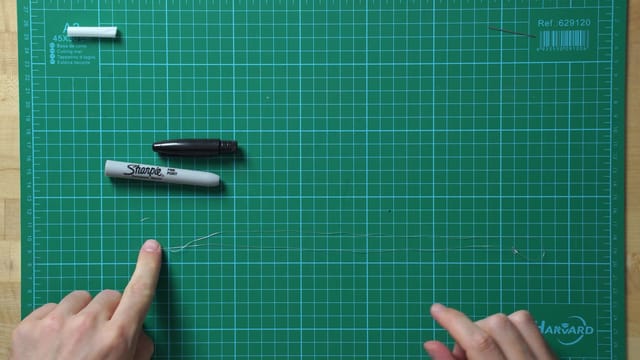
Static Marker Maintenance and Repair
Keep Your Gimmicks Working Perfectly
If you perform with a Static Marker, you know the frustration of a gimmick that stops working right before a performance. This lesson shows you how to bring your marker back to life, whether you need to fix the thread tension or swap out the internal ink cartridge. You'll learn the exact repair process so you can get back to performing with confidence.
How It's Taught
The lesson follows a hands-on approach, breaking down the repair into manageable steps. Julio walks you through the specific tools you need—like transparent elastic thread, a needle, and small pieces of straw—and shows you his own refined method for threading and tensioning. He explains the tricky parts clearly, helping you avoid the common mistakes that usually make repairs take longer than they should.
What Level Is This For
This is an intermediate maintenance skill. It’s not "hard," but it does require some patience and steady hands. If you are comfortable working with small components and basic craft tools like scissors and needles, you’ll be able to follow along easily.
About the Instructor
Julio Ribera is a professional magician and content creator known for his practical, no-nonsense teaching style. He has spent years using gimmicked markers in real-world performances and has developed his own shortcuts to keep his gear running smoothly without the headache of the original factory instructions.
What's Included
- A complete walkthrough of the Static Marker internal mechanism
- Techniques for achieving the perfect thread tension every time
- How to create the necessary components using household items like straws and acetate
- A simple method to swap or replace your ink cartridge
- Tips for faster, more reliable repairs compared to standard instructions
Frequently Asked Questions
How long until I can repair it quickly?
The first time is the slowest, but once you understand how the thread loops and tensions, you can usually perform a full repair in just a few minutes.
Do I need special tools?
No, you just need basic items: a sewing needle, scissors, a plastic straw, and transparent elastic thread.
Can I do this if I don't have steady hands?
The steps are precise, but the techniques are designed to be forgiving. Take your time, and don't rush the threading process.
Is this easier with a specific brand of thread?
Julio recommends specific types of transparent elastic thread that hold up best under the tension required for the effect.