Structuring Your Act
Turning Your Tricks Into a Real Show
You’ve learned a few great tricks, but when someone asks you to "do a show," you might feel stuck. You worry that doing one trick after another will feel random or that the audience will get bored halfway through. This lesson shows you how to take those separate pieces and build a solid 30-minute act that flows perfectly.
Why a Good Structure Makes You More Confident
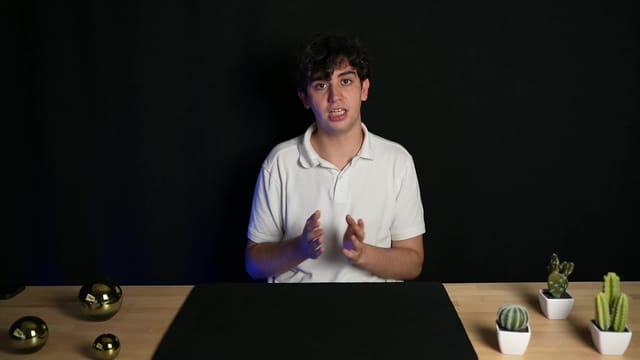
A great show isn't just a list of tricks. It’s about how the audience feels while they watch you. Alex explains that you need an opener that hits hard and fast—like his Russian Roulette routine—to grab attention right away. If you start slow, you might lose them. By following a proven structure, you don't have to guess if your show is "good enough." You'll know it works because every piece is in the right place for a reason.
What You’ll Learn
You’ll learn the three main parts of any successful show: the opener, the middle, and the closer. Alex breaks down why certain effects work better in specific spots. For example, he explains how to use the middle of your show to change the "vibe" so the audience doesn't get tired of the same thing. You’ll see how adding a different sensation, like a "touch" routine, can keep people interested even if they've already seen a few mind-reading tricks.
Beyond the tricks, Alex teaches you how to actually get your show ready for people. He shares a specific plan for practicing, from watching the "director's commentary" of his performance to testing the act on your friends and family. You’ll learn how to find your own style so you don't feel like you're just playing a character that doesn't fit you.
About Alex Ruiz
Alex is a professional mentalist who has performed on Got Talent España and Got Talent Chile. He’s spent years testing this specific 30-minute act in front of real audiences to make sure it’s practical and impactful.
What's Included
- How to choose a fast and simple opener to grab attention
- The secret to keeping the middle of your show from getting boring
- Why variety in "emotions" is more important than variety in tricks
- The difference between rapid-fire acts and themed shows
- How to use "PK Touches" to change the energy of the room
- A step-by-step plan for road-testing your act with friends
- Tips for finding your own style and mentalist persona
Frequently Asked Questions
Do I have to use the exact tricks from this course?
No. While Alex gives you a full act you can use right away, he also teaches you how to swap in other mentalism effects you already know into the same structure.
Is this only for big stages?
Not at all. This structure works just as well for a 20-minute set at a family dinner or a small party as it does in a theater.
How much practice does this take?
You should know your individual tricks well first. Once you do, Alex recommends watching the full show video a few times to understand the timing and flow before you try it yourself.
What if I don't want to be a "serious" mentalist?
Alex believes mentalism shouldn't be boring or "for old men." He shows you how to perform these effects while staying true to your own personality, whether you're funny, casual, or serious.