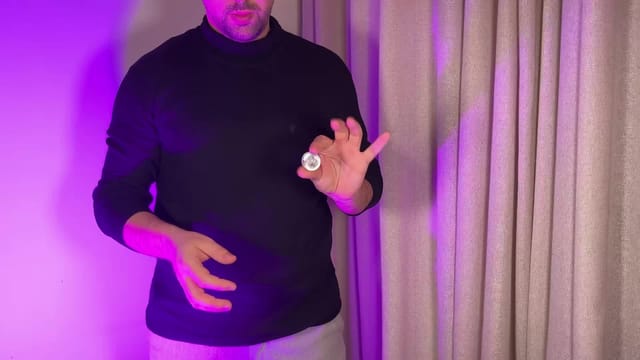
The Tourniquet: False Take of a Coin
In the Tourniquet, one hand approaches to take a coin and appears to carry it away. José Arcario explains the handling and places it within a vanish example.
The two videos bring together the explanation of the sleight and a slow-motion, narrated example. Special attention is given to the movement of the hand that ostensibly receives the coin.
Show and Take
The coin starts from an edge grip. The explanation shows how that position relates to the approaching hand and the retention in finger palm.
The example highlights a structural difference: here, it is the receiving hand that reaches out for the coin. The path of travel must maintain the appearance of a genuine take.
Continue with Another Intention
After the action, the seemingly empty hand continues toward the sleeve. The importance of having a motivation for having switched the coin to the other hand is discussed.
The video also mentions other objects that could provide that justification, such as a wand or a coin purse. The sleeve belongs to this specific example, rather than being a mandatory performance requirement.
Comparing the Positions
José compares the Tourniquet with the French Drop and shows differences in orientation and the degree of closure of the hand. The comparison helps to clarify the explained position.
The take, retention, and continuation are repeated to observe their relationship within the gesture.
You need an ordinary coin and familiarity with finger palm. The lesson works on a false take technique and its application in a brief example, focusing on the clarity of the initial display and the justification.