Stage Illusions: Theory, Base Construction, and Transport
Studying and preparing a stage illusion
Orbit combines his approach to stage magic with the practical analysis of an appearance base. The recording brings together a theoretical and bibliographic presentation with an explanation alongside the actual apparatus, in which Borja Montón acts as an interlocutor and participant.
The lesson covers how to conceive the effect, choose the material, evaluate construction conditions, and prepare for its use and transport.
Clarity and construction of the effect
The theory is organized into four points: expository phase, initial situation, magical gesture, and final situation. Orbit applies this framework to stage illusions and compares how perception changes when the audience fully understands the conditions prior to the transformation.
The class addresses audience participation, choosing a gesture that is consistent with the performer, and the importance of allowing the climax to be understood before adding music, choreography, or other stimuli. The examples connect misdirection with the pacing of the presentation.
Principles and examples of illusions
An overview of resources used in stage illusions and their possible combinations is presented. Among the cases discussed are Metamorphosis, the appearance cage, Fire Spiker, Flying Box, and various suspensions or levitations.
These examples serve to study principles, presentation, and technical complexity. Stage flying is shown as a case of especially complex mechanics and coordination; this overview does not equate to a complete practical tutorial for each referenced act.
Analysis of a built base
The practical section examines a specific base: the choice of wood and metal, proportions, profiles, bevels, covering, and the relationship between visual appearance and working space. The adaptation to the performer using it and the structure placed on top is explained.
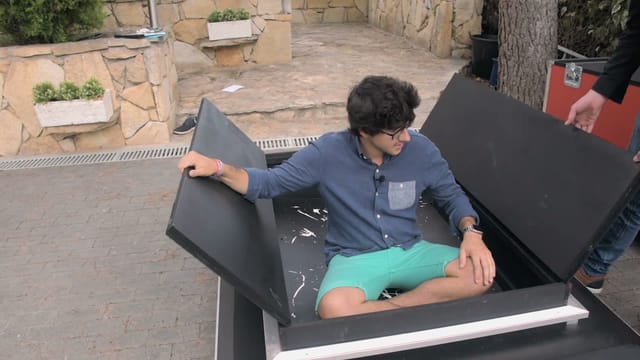
Different construction approaches are compared, discussing strength, stability, weight distribution, and locking casters. A demonstration allows for an examination of the interior space and the performer's exit, along with the details that influence the image received by the spectator.
The base is analyzed already manufactured; the explanation provides criteria and finishing solutions rather than building the entire apparatus during the class.
Finishing and maintenance
The lesson covers the planning of pieces and tools, beveling work, assembly, and finishes. It explains the role of sanding, wood filler, primer, and paint, as well as the preparation of the top covering.
Emphasis is placed on respecting product drying times and on maintaining and repairing surfaces after use. Comparisons between rigid and textile coverings are related to the height of the apparatus and the audience's vantage point.
Study sources and authorship
Orbit discusses books and audiovisual material from specialists to study models, measurements, and construction. The advantages of consulting blueprints versus watching a maker work are compared, and considerations of authorship and authorizations when acquiring or building illusions are discussed.
The content of this lesson is the recorded explanation. The books, blueprints, and other referenced materials are presented as study references.
Equipment, space, and transport
The analyzed project utilizes carpentry and metalwork, fasteners, casters, coverings, and finishing products. Putting it into practice requires a project with tailored measurements, appropriate tools, and technical experience or professional collaboration; the option of commissioning parts from a carpenter is discussed.
Workspace and maneuverability are required, along with assistance for moving heavy apparatus. The class showcases a flight case with interior padding and analyzes box division, assembly, part organization, and equipment loading to reduce setup work for each show. The ensemble shown requires sufficient transport volume, such as a large van or truck.
The preparation of an illusion includes both the presentation and the conditions of use for the apparatus, alongside coordinated teamwork with assistants.