Magic Institute Lectures
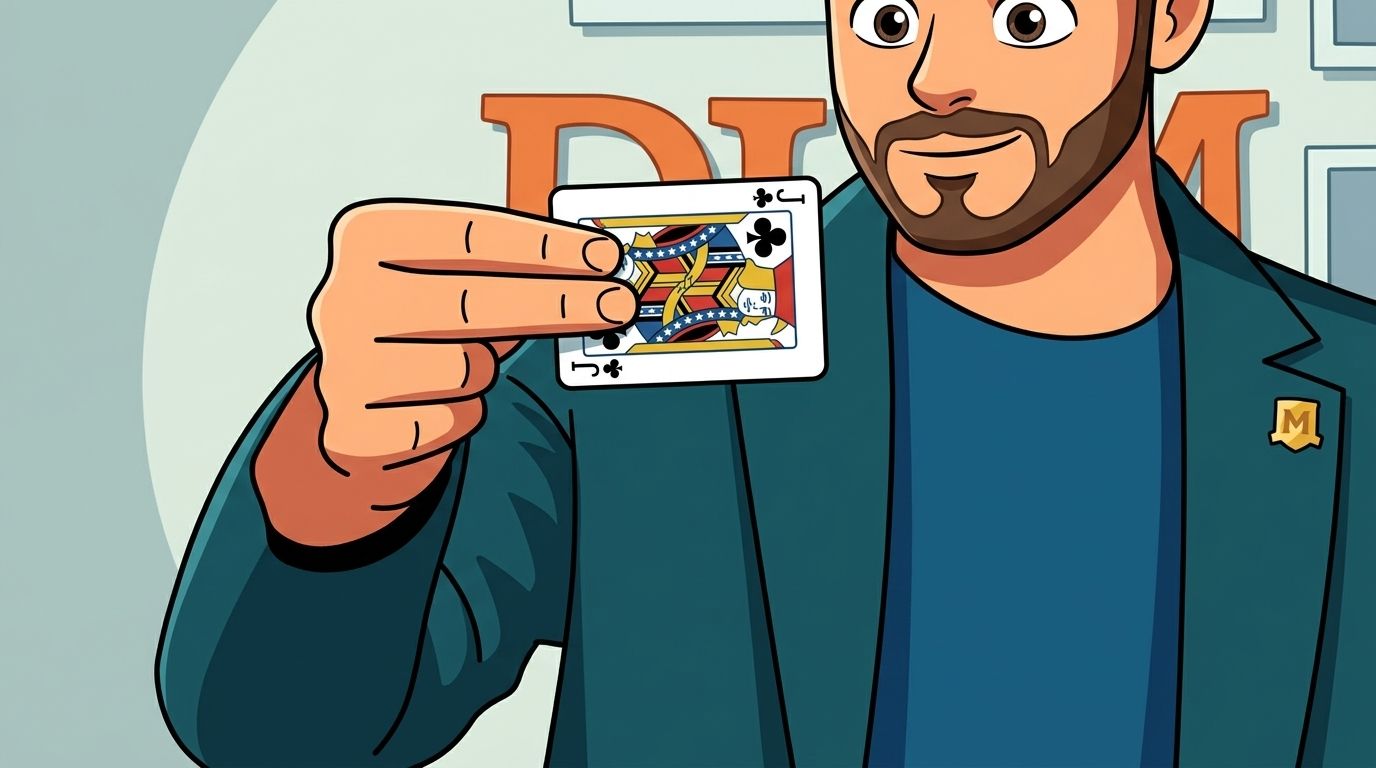
28 lectures on repertoire, technique, creation, and presentation: card magic, coin magic, sponge balls, mentalism, children's magic, and stage performance. Includes rehearsal, audience management, lighting, sound, and show production, with specific requirements for each lesson.
Magic Institute Lectures
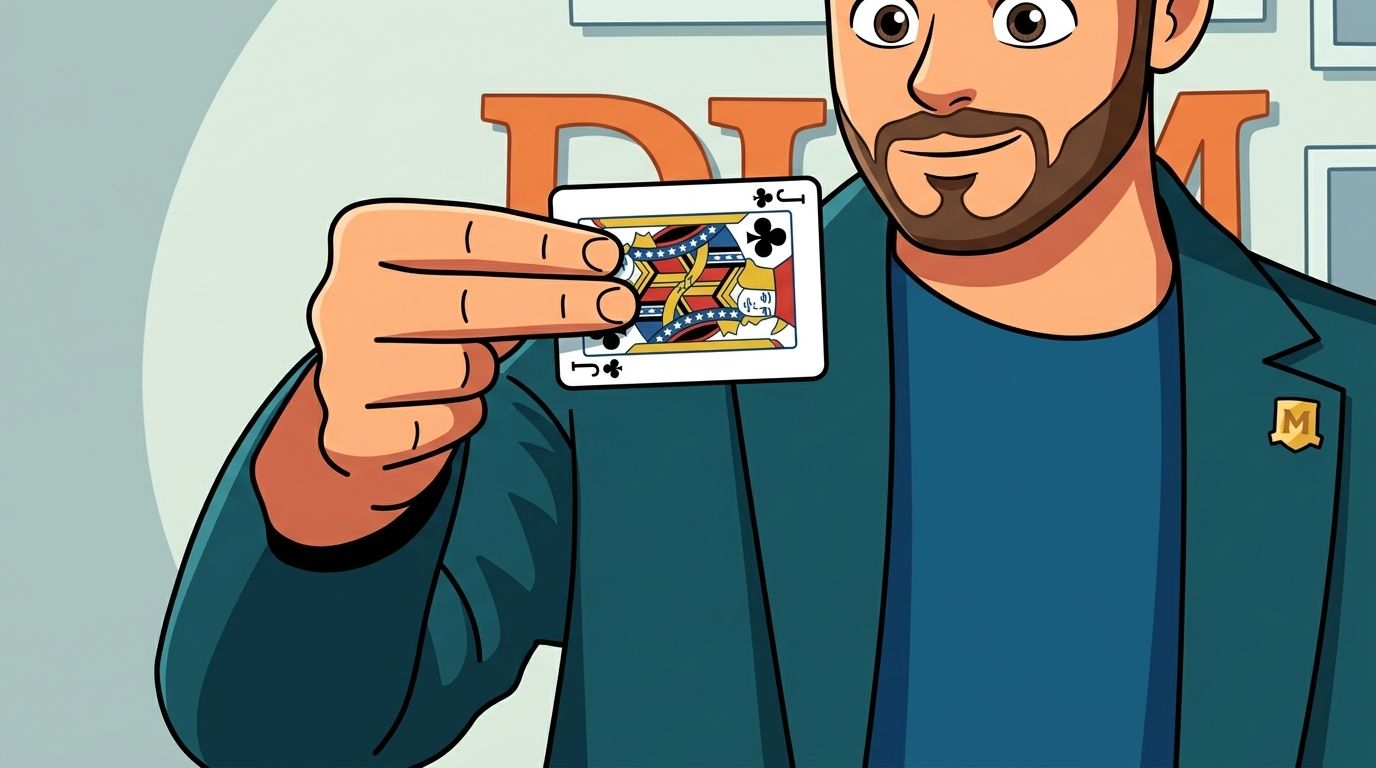
28 lectures on repertoire, technique, creation, and presentation: card magic, coin magic, sponge balls, mentalism, children's magic, and stage performance. Includes rehearsal, audience management, lighting, sound, and show production, with specific requirements for each lesson.
28 レッスン
Coin magic: technique, rehearsal, and presentation
演出とフィクショナル・マジック:ビドル・トリックとジプシー・スレッド

メンタリズムとカードマジックにおける創造性と演出
theatrical magic アクトの創作
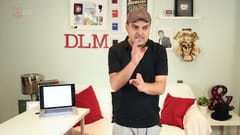
マジックショーのための照明と音響
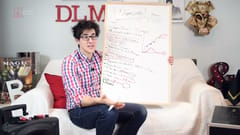
マジックショーの準備、構成、そして営業
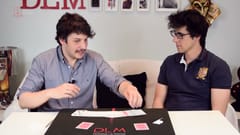
Presentation in card magic: premise, patter, and audience participation
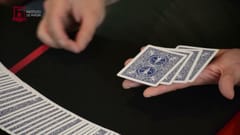
アスカニオ理論とカードマジック:イマジナリーダイス、コレクターズ、そしてエースのトランスポジション

メンタリズムの基礎:プレゼンテーション、プリショー、そしてペンデュラム
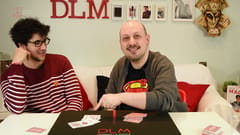
数理カルトマジック:思わせたカード、ポーカー、そしてシー・ステビンズ

子ども向けマジックとクラウン:ユーモアと観客の参加
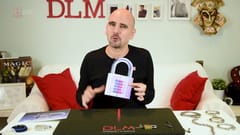
エスケープ:南京錠、手錠、そしてステージ演出し
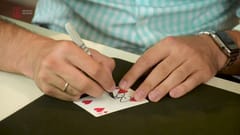
カルドマギア:念じられたカード、自然さ、そして破って元に戻したカード

サロン・マジック:ボトルとグラス、リング、そしてパンの中の紙幣

コインとグラスのマジック:カタパルトとセレクト・スローイング

ステージ・カード・マニピュレーション:準備、テクニック、そしてロード

ダブルリフト:準備、ターンオーバー、ハンドリング、そして応用
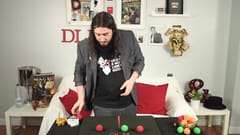
スポンジボール:スリー・ボール・トリック、ゴースト・ボール、カラー・トランスポジション
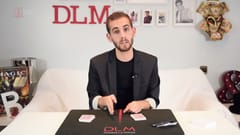
カードマジック:ジョーカーのサンドイッチ、予言、そしてオールバックズ
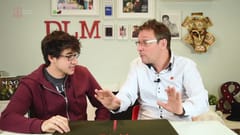
カードマジック4ルーティンとコメディの原則
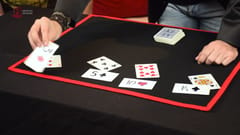
ガーリック・エース、エースの漸進的発見、および4重の予言
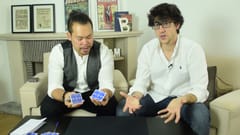
カードマジックにおけるハンドトレーニング、インプロビゼーション、そしてエスティメーション
マジックショーのテクニカル準備
20世紀のマジックの歴史:フーディーニ、ヴァーノン、そして新しい観客たち
ストリートマジック:集客、観客、そして投げ銭
カードマジックにおけるブラックカード:カバー、構成、そしてルーティン

ステージ・ピックポケット:注意、テクニック、そしてルーティンの構築
アクトの創作、練習、そしてタッチのテクニック
This collection brings together 28 lectures from the Magic Institute on repertoire, technique, creation, and performing for an audience. Each instructor develops their own approach through explanations, demonstrations, or exercises. You can follow the selection in the suggested order or jump to a specific lecture depending on the skill or problem you want to work on.
Building Routines and Expanding Resources
Card magic makes up a significant part of the collection. You will find a study of the double lift with Rafael Benatar; applications of Ascanio's theory with Hugo Maximiliano; mathematical card magic with Woody Aragón; and work on construction, naturalness, and attention with Dani Daortiz, Víctor Piña, Luis Otero, and Miguel Ajo. Ricardo Sánchez and Daniel Collado connect their routines with premise, creativity, and audience participation.
Think Nguyen proposes hand preparation, improvisation, and estimation. Luis Olmedo studies the blank-facer card and its presentation conditions. The profiles distinguish the techniques that are taught from those used as prerequisites, so you can choose a starting point suited to your experience.
The selection also includes coin magic with Agustín Leal and Miguel Ángel Gea, sponge balls with Xulio Merino, parlor magic with Camilo Vázquez, and stage card manipulation with G. Alexander. These are opportunities to compare how phases are structured, props are prepared, and clarity is brought to effects of different natures.
Presentation, Character, and Audience Relationship
Juanma González works on fiction and the meaning of a presentation; Adolfo Andrés develops the theme, character, story, and body expression of an act. Miguel Muñoz tackles creation through exploration and rehearsal with concrete objectives. These lectures help translate an idea into observable decisions regarding pacing, movement, and composition.
Other modules focus on specific performance situations: Adolfo Masyebra studies presentation and audience participation in mentalism; Kayto applies humor and clowning to children's magic; Raúl Camagüey analyzes how to gather and keep an audience on the street. Vituco covers escapology and Héctor Mancha covers stage pickpocketing, along with their respective requirements and performance contexts.
Preparing the Show and Its Production
Borja Montón's lectures cover the organization of a performance, its transitions, prop preparation, and the professional presentation of the show. His technical session covers scripting, cueing, running order, stage management, audio, microphone use, and team communication, alongside a sample dossier.
Iván Santacruz delves into lighting and sound through spotlights, positions, sound checks, and technical riders. Both approaches allow you to connect artistic decisions with the actual conditions of a venue and prepare useful information for those assisting with the show.
Ramón Mayrata's historical perspective provides another context: the evolution of magic shows, their audiences, and their dissemination media through figures like Houdini and Dai Vernon.
Choosing What to Study and How to Practice
The level varies across lectures: some introduce concepts of creation or presentation; others require prior handling of cards, coins, or other props. Check the materials and requirements for each lesson before practicing. A single deck of cards is not enough for the entire collection, and you do not need to acquire all the mentioned objects or equipment in advance.
Alternate technical study with writing, rehearsal, and observation of your own presentation. You can work first on a specific routine or document and later return to the principles of construction and communication that support it. The instructors' examples offer different paths to develop a repertoire and a personal style of performance.
This collection brings together 28 lectures from the Magic Institute on repertoire, technique, creation, and performing for an audience. Each instructor develops their own approach through explanations, demonstrations, or exercises. You can follow the selection in the suggested order or jump to a specific lecture depending on the skill or problem you want to work on.
Building Routines and Expanding Resources
Card magic makes up a significant part of the collection. You will find a study of the double lift with Rafael Benatar; applications of Ascanio's theory with Hugo Maximiliano; mathematical card magic with Woody Aragón; and work on construction, naturalness, and attention with Dani Daortiz, Víctor Piña, Luis Otero, and Miguel Ajo. Ricardo Sánchez and Daniel Collado connect their routines with premise, creativity, and audience participation.
Think Nguyen proposes hand preparation, improvisation, and estimation. Luis Olmedo studies the blank-facer card and its presentation conditions. The profiles distinguish the techniques that are taught from those used as prerequisites, so you can choose a starting point suited to your experience.
The selection also includes coin magic with Agustín Leal and Miguel Ángel Gea, sponge balls with Xulio Merino, parlor magic with Camilo Vázquez, and stage card manipulation with G. Alexander. These are opportunities to compare how phases are structured, props are prepared, and clarity is brought to effects of different natures.
Presentation, Character, and Audience Relationship
Juanma González works on fiction and the meaning of a presentation; Adolfo Andrés develops the theme, character, story, and body expression of an act. Miguel Muñoz tackles creation through exploration and rehearsal with concrete objectives. These lectures help translate an idea into observable decisions regarding pacing, movement, and composition.
Other modules focus on specific performance situations: Adolfo Masyebra studies presentation and audience participation in mentalism; Kayto applies humor and clowning to children's magic; Raúl Camagüey analyzes how to gather and keep an audience on the street. Vituco covers escapology and Héctor Mancha covers stage pickpocketing, along with their respective requirements and performance contexts.
Preparing the Show and Its Production
Borja Montón's lectures cover the organization of a performance, its transitions, prop preparation, and the professional presentation of the show. His technical session covers scripting, cueing, running order, stage management, audio, microphone use, and team communication, alongside a sample dossier.
Iván Santacruz delves into lighting and sound through spotlights, positions, sound checks, and technical riders. Both approaches allow you to connect artistic decisions with the actual conditions of a venue and prepare useful information for those assisting with the show.
Ramón Mayrata's historical perspective provides another context: the evolution of magic shows, their audiences, and their dissemination media through figures like Houdini and Dai Vernon.
Choosing What to Study and How to Practice
The level varies across lectures: some introduce concepts of creation or presentation; others require prior handling of cards, coins, or other props. Check the materials and requirements for each lesson before practicing. A single deck of cards is not enough for the entire collection, and you do not need to acquire all the mentioned objects or equipment in advance.
Alternate technical study with writing, rehearsal, and observation of your own presentation. You can work first on a specific routine or document and later return to the principles of construction and communication that support it. The instructors' examples offer different paths to develop a repertoire and a personal style of performance.