
Magic Institute Classes
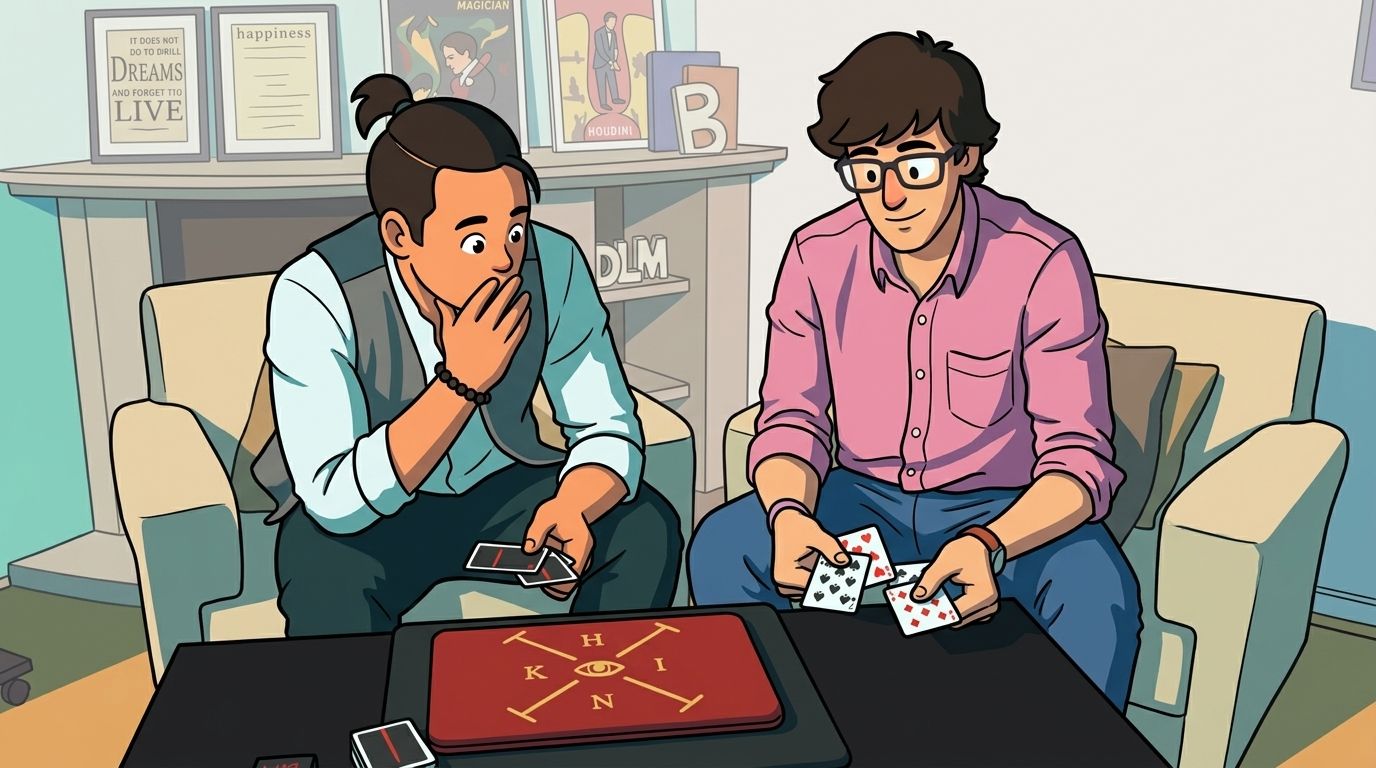
Magic Institute classes covering card magic, coin magic, mentalism, children's magic, manipulation, parlor, stage, and the history of illusionism. Featuring 110 lessons with 30 instructors, ranging from accessible procedures to demanding routines, with explanations on technique, preparation, presentation, and audience management. Each lesson details its required props and necessary skill level.
Magic Institute Classes
Magic Institute classes covering card magic, coin magic, mentalism, children's magic, manipulation, parlor, stage, and the history of illusionism. Featuring 110 lessons with 30 instructors, ranging from accessible procedures to demanding routines, with explanations on technique, preparation, presentation, and audience management. Each lesson details its required props and necessary skill level.


110 节课程
扑克牌预测:重温似曾相识的感觉
旅行结
正面或背面:硬币预测
跟随领袖:红牌与黑牌
魔术师的选择:前二后一
正反面手法:单牌手法与展示
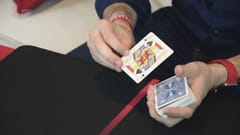
照我这样做:双副牌同感
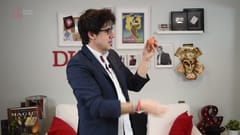
丝巾与鸡蛋
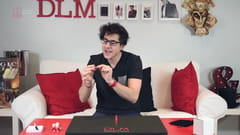
三枚骰子流程:变化与预测
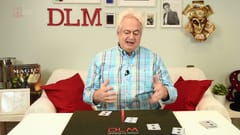
En condiciones de laboratorio: adivinación con cartas
针对儿童的海绵球近景魔术
硬币穿巾
想一张牌:分支与表演
卡普兰撕碎与复原牌
使用假拇指进行纸币变牌
使用普通书本的书籍测试
Cortando los ases: cortes falsos y apariciones
球类手法:基础流程与丝巾结尾
Silk color change with a thumb tip
翻转A:流程与Elmsley数牌法
Matrix con cartas y monedas
滑稽魔术棒:Topsy Popsy与兔子变形
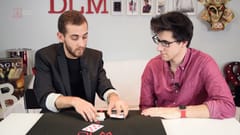
不可能的牌:牌到数字与异色背面
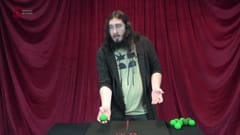
Ten Count to Ten with Sponge Balls
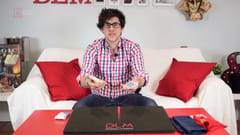
The Card in the Orange
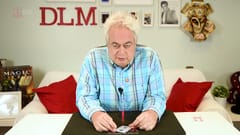
不逻辑的结论:Elmsley计数与Jordan计数

叉子金属弯曲

链条西伯利亚逃脱
护身符:Top Change 与注意力引导
教授的梦与绳索流程
Silver and copper transposition in the spectator's hand
Perfect Production:舞台纸牌出牌
果酱Plus:K牌与A牌
幻术的起源
漂浮蝴蝶
Si Stebbins:牌序设置与扑克牌预言
隐线:基础原理与浮动糖果

动物预测
Si Stebbins:三张牌占卜与扑克发牌
隐形牌与脑波牌(Invisible Deck & Brainwave)
袋鼠硬币:四枚硬币穿桌
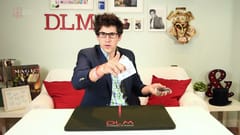
经典切入式强制与扑克牌测谎仪
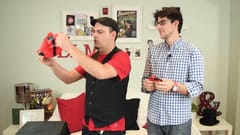
纸张变帽子与手提包
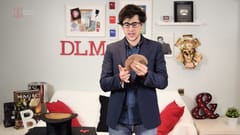
Cardini Production and Card Fans
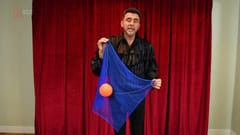
随风飘浮球与丝巾:黑夜美人 (Belle de nuit)
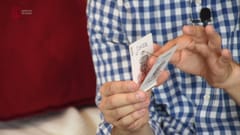
观众手中上升牌
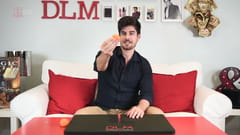
海绵球魔术:手部技巧与流程
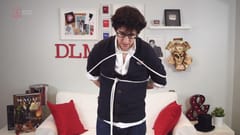
夹克逃脱:悬念与观众管理
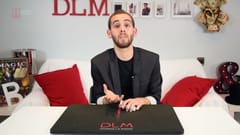
闪电与雷鸣三明治
中国雪:道具准备与舞台表演
Three Fly:站立式硬币飞行
Si Stebbins:book test 与排序牌
使用灵摆的心灵主义:名字与回忆
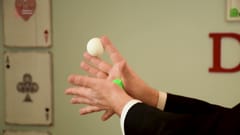
球类手法:现球、变色与转移
Crimp: localización de cartas y cambio de ases por damas
签名牌into口袋Plus版
Invisible Thread: Setup, Animations, and Levitations

丝巾入鞋:儿童魔术流程
切角牌扑克牌换位

观众参与的四方币 (Matrix)
戴安·弗农的经典三仙归洞(Cups and Balls)流程
时间之旅:牌至塑封牌盒
完美牌: 多张纸牌的完美现牌
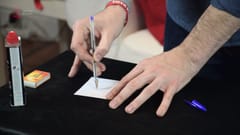
撕角心智:手法与呈现
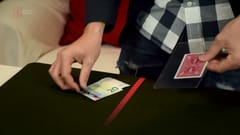
Elizabeth IV: adivinación de una carta nombrada
Billetes y candado: candado de gravedad y pañuelo diablo
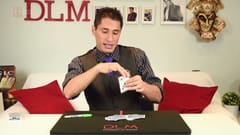
透明袋签名牌
切到十:forzaje的时机与心理学

Wild Coins: Silver and Copper Transformations
魔术作为一门艺术
吝啬鬼之梦:搭配冰桶的硬币流程
扑克牌估切与四条扑克牌的现形
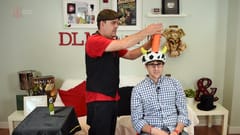
果汁穿头
三张卡片心灵感应预测
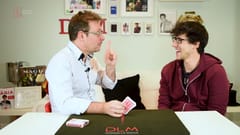
Card peeks and Pacoima Solution
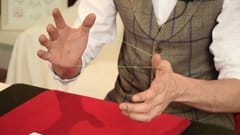
Loops:隐形弹力线的使用方法与魔术效果
Linking Rings: six-ring routine
K牌三明治与移位

Free Flight:三枚硬币飞行
天海式牌面出牌:单张、双张与三张牌的出现
Culebreo I:阿斯卡尼奥技术与转动 Q
图钉钉牌
疯狂束衣逃脱
跳跃海绵球:双色海绵球
特内里费与拉斯帕尔马斯式Culebreo:水与油
气球预言
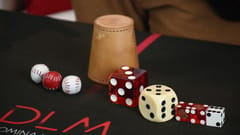
骰子 Chop Cup:色彩变换与移位
双牌放置法:直接法与间接法
Acariciando:两张牌的硬币流程
西藏颂钵与海绵球:罗伊·本森流程
A面穿透
舞动手杖

魔术漏斗
法罗洗牌:可能与不可能的夹三张
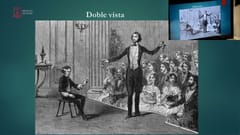
魔术的黄金时代
球类乘幻与丝巾结尾
鸽子出场
法老洗牌:牌到指定数与记忆A
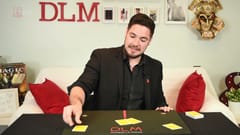
四枚硬币与四张牌的经典Matrix
吞针:穿线针

旋指转卡:扑克牌出牌与多重现身
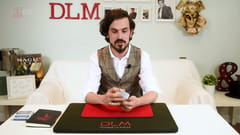
Haunted Deck:灵异牌
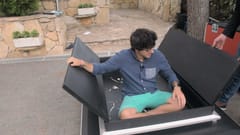
大型幻术:理论、底座制作与运输
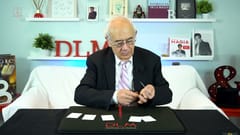
Card Signature Multiplication
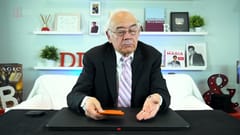
中国钱币与银币:跨越与幻变
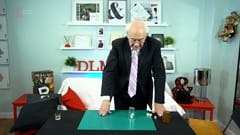
骰子与威士忌:骰子杯的飞入与叠骰
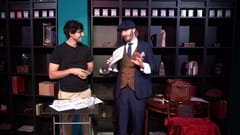
手机俄罗斯轮盘:流程与表演
Invoked Cards: Kings, Aces, and Card to Number
魔术中的失误:预防与表演应对策略
21张牌魔术:原理与单次分牌版本
What this path includes
This collection from the Magic Institute brings together 110 lessons across 111 videos. You will find classes dedicated to a complete routine, studies of a specific sleight with applications, stage acts, and lectures on history or theory. The recordings preserve their live demonstrations, explanations, and classroom discussions; they are not merely a sequence of performance clips.
The order alternates subjects and instructors. There are accessible proposals as well as expert-level work, so it does not constitute a linear progression from beginner to advanced. You can browse the collection or choose a topic based on your experience and props. Each lesson describes its own content and can be studied independently; if it also appears in another path, that exact same lesson is shared.
Card magic: procedures, technique, and construction
The curriculum includes predictions, coincidences, transpositions, card-at-a-number effects, sandwich effects, ace productions, and journeys to unexpected places. Among the explained routines are Do As I Do, Turning the Aces, The Illogical Conclusion, Card to Pocket Plus, and Pacoima Solution. Invisible Deck and Brainwave versions are also taught, including preparation and maintenance of the materials.
Technical resources are studied within the context of specific effects: key card, glimpses, forces, crimps, short corners, controls, palms, and the Elmsley and Jordan counts. Miguel Ajo teaches Ascanio's Spread / Wiggle Display, its variants, and multiple card drops; Víctor Piña works on sandwich routines with controls and demanding productions. The classes allow you to compare solutions and understand the exact conditions required for each handling.
Woody Aragón teaches the Si Stebbins stack and applications for divination, poker, and book tests. Luis Otero studies the Faro shuffle and its applications, including Record Aces. Hernán Maccagno reviews the ace picnic and the 21-card trick, showing how to rethink familiar procedures using new conditions, instructions, and climaxes. The precise Faro, multiple card handlings, and certain complete routines require prior practice; not all applications start from scratch.
Coins and close-up magic
Coin magic features penetrations through a handkerchief, silver and copper transpositions, coins through the table, travels between the hands, and matrix assemblies under cards. You can compare the Matrix versions by Agustín Leal, Miguel Ángel Gea, and Luis Olmedo, noting differences in technique, pacing, and spectator involvement.
Wild Coins, Free Flight, Three Fly, and Acariciando offer distinct constructions for transformations and travels. Camilo Vázquez links Chinese and silver coins in a multi-phase routine. Sleights such as palms, false deposits, transfers, sound coordination, and clarity of revelations are thoroughly practiced. Some proposals use ordinary currency; others require silver and copper coins, a shell, or compatible specialty coins.
The close-up repertoire expands with dice, banknotes, sponge balls, cups, and the Chop Cup. There are complete explanations of Dai Vernon's Cups and Balls routine, the Chop Cup with dice, and Dice and Whiskey, which includes collection and stacking. The classes connect each technical sleight to its specific function within the routine rather than just presenting isolated moves.
Mentalism and audience participation
Mentalism includes the magician's choice, book tests, animal predictions, pendulum work, center tear, and three-thought divination. The balloon prediction develops a collective revelation; Banknotes and Padlock compares two ways to build a participatory choice. Fork bending is also taught.
Instruction focuses on readability, paper handling, phrasing, instructions, and gradual revelation. The differences between an action understood by the magician versus what the participant perceives are analyzed. Emotional or fantastic examples are presented as illusionism presentations, rather than demonstrations of genuine powers. The cited variants serve to compare possibilities; each lesson distinguishes between fully developed routines and ideas that are merely discussed.
Children's and family magic
Kayto, Iván Santacruz, and Xulio Merino teach routines where the effect and the rapport with the helper are equally important. The repertoire includes Handkerchief to Shoe, Paper to Hat and Bag, Juice Through the Head, Magic Funnel, comedy wands, and several sponge ball routines, including Hopping Sponge and Roy Benson's bowl version.
Work focuses on volunteer selection, clear language, repetition, pantomime, and stage presence. Gags must allow the participant to enjoy and understand their role. The classes compare the reactions of children and adults and show how to listen, adapt an instruction, and allow room for surprise. The specific props and appropriate age range for each routine are detailed in the corresponding lessons.
Manipulation, levitation, and stage acts
Card manipulation covers back and front palms, Perfect Production, Cardini, Tenkai, fans, and Twirling. The study of billiard balls includes productions, color changes, multiplication, and handkerchief finales. Beyond finger dexterity, body posture, gaze, footwork, stage orientation, wardrobe, angles, and music are thoroughly explored.
Stage proposals include Traveling Knots, Professor's Nightmare, Chinese Linking Rings, Silk to Egg, Card in Orange, Chinese Snowstorm, The Miser's Dream, and the Dancing Cane. Preparations, sequences, and transitions are taught so that every phase can be easily followed by the audience. Confetti cannons and other expansions for certain acts are presented as optional additions, not mandatory equipment for every version.
Adolfo Masyebra and Borja Montón explore invisible thread, animations, and levitations. There are applications involving candy, a ring, a banknote, glasses, a playing card, and a fork, alongside the Haunted Deck. Thread selection, tension, lighting, background, and the weight of the object all dictate the final results. Belle de nuit and floating butterflies add staged routines featuring custom preparation.
Escape art, large illusions, and history
The Siberian Escape, the straitjacket, and the jacket escape allow students to study the presentation of restraints, audience assistance, tension, and choreography. Conditions and props vary between routines. The mentioned suspension or water versions are not taught as full performance builds.
Orbit contributes a class on large illusions covering effect theory, analysis of a pre-built base, materials, finishing, maintenance, and transport. Examples of other illusions help compare underlying principles; they do not equate to building each apparatus or owning its blueprints.
Ramón Mayrata's three lectures cover the origins of illusionism, its development as an art form, and its golden age. They connect artists, literature, science, theaters, phantasmagoria, and cinema. These are contextual and reflective classes requiring no props or manual dexterity.
Presentation, rehearsal, and instructors
Throughout the collection, students study pauses, actions in transit, misdirection, instruction clarity, and the relationship between speech and gesture. Hernán Maccagno's class on failure adds exercises to recognize the state of a routine, prevent mishaps, and prepare smooth outs. These insights can be directly applied to your existing repertoire.
Featured instructors include Borja Montón, Adolfo Andrés, Adolfo Masyebra, Agustín Leal, Andy González, Camilo Vázquez, Dani Daortiz, Daniel Collado, G. Alexander, Greca, Hernán Maccagno, Hugo Maximiliano, Iván Santacruz, Juanma González, Kayto, Luis Olmedo, Luis Otero, Miguel Ajo, Miguel Ángel Gea, Orbit, Rafael Benatar, Ramón Mayrata, Ricardo Sánchez, Riversson, Smayfer, Think Nguyen, Vituco, Víctor Piña, Woody Aragón, and Xulio Merino.
Props, requirements, and limitations
For many studies, a deck of cards, coins, paper, writing utensils, and a table are all you need. Others require gaffed cards, specialty coins, sponges, ropes, handkerchiefs, a thumb tip, cups, rings, loops, or magical apparatus. Materials are specified in each lesson: some items are crafted in class while others must be acquired separately. Accessories, books, blueprints, and external downloads mentioned during recordings are not included.
Advanced sleight of hand requires fluency with the prerequisite handlings mentioned, rehearsal time, and review from the spectator's viewpoint. Stage routines may require tailored costumes, space, controllable lighting, and crew assistance. Dove productions with Riversson demand proper equipment, ongoing animal care, and appropriate housing and transport for the birds.
Specialized effects must never be improvised. Escape magic requires assistance and careful adjustment of equipment; some presentations involve fire, sharp objects, or borrowed items. Fire-free alternatives are provided for the center tear. The explanations do not guarantee the safety of a smartphone nor do they eliminate physical risks. Needle Swallowing is educational content intended strictly for adults aged 18 and over: we strongly advise against attempting the effect or inserting or swallowing sharp objects.
What this path includes
This collection from the Magic Institute brings together 110 lessons across 111 videos. You will find classes dedicated to a complete routine, studies of a specific sleight with applications, stage acts, and lectures on history or theory. The recordings preserve their live demonstrations, explanations, and classroom discussions; they are not merely a sequence of performance clips.
The order alternates subjects and instructors. There are accessible proposals as well as expert-level work, so it does not constitute a linear progression from beginner to advanced. You can browse the collection or choose a topic based on your experience and props. Each lesson describes its own content and can be studied independently; if it also appears in another path, that exact same lesson is shared.
Card magic: procedures, technique, and construction
The curriculum includes predictions, coincidences, transpositions, card-at-a-number effects, sandwich effects, ace productions, and journeys to unexpected places. Among the explained routines are Do As I Do, Turning the Aces, The Illogical Conclusion, Card to Pocket Plus, and Pacoima Solution. Invisible Deck and Brainwave versions are also taught, including preparation and maintenance of the materials.
Technical resources are studied within the context of specific effects: key card, glimpses, forces, crimps, short corners, controls, palms, and the Elmsley and Jordan counts. Miguel Ajo teaches Ascanio's Spread / Wiggle Display, its variants, and multiple card drops; Víctor Piña works on sandwich routines with controls and demanding productions. The classes allow you to compare solutions and understand the exact conditions required for each handling.
Woody Aragón teaches the Si Stebbins stack and applications for divination, poker, and book tests. Luis Otero studies the Faro shuffle and its applications, including Record Aces. Hernán Maccagno reviews the ace picnic and the 21-card trick, showing how to rethink familiar procedures using new conditions, instructions, and climaxes. The precise Faro, multiple card handlings, and certain complete routines require prior practice; not all applications start from scratch.
Coins and close-up magic
Coin magic features penetrations through a handkerchief, silver and copper transpositions, coins through the table, travels between the hands, and matrix assemblies under cards. You can compare the Matrix versions by Agustín Leal, Miguel Ángel Gea, and Luis Olmedo, noting differences in technique, pacing, and spectator involvement.
Wild Coins, Free Flight, Three Fly, and Acariciando offer distinct constructions for transformations and travels. Camilo Vázquez links Chinese and silver coins in a multi-phase routine. Sleights such as palms, false deposits, transfers, sound coordination, and clarity of revelations are thoroughly practiced. Some proposals use ordinary currency; others require silver and copper coins, a shell, or compatible specialty coins.
The close-up repertoire expands with dice, banknotes, sponge balls, cups, and the Chop Cup. There are complete explanations of Dai Vernon's Cups and Balls routine, the Chop Cup with dice, and Dice and Whiskey, which includes collection and stacking. The classes connect each technical sleight to its specific function within the routine rather than just presenting isolated moves.
Mentalism and audience participation
Mentalism includes the magician's choice, book tests, animal predictions, pendulum work, center tear, and three-thought divination. The balloon prediction develops a collective revelation; Banknotes and Padlock compares two ways to build a participatory choice. Fork bending is also taught.
Instruction focuses on readability, paper handling, phrasing, instructions, and gradual revelation. The differences between an action understood by the magician versus what the participant perceives are analyzed. Emotional or fantastic examples are presented as illusionism presentations, rather than demonstrations of genuine powers. The cited variants serve to compare possibilities; each lesson distinguishes between fully developed routines and ideas that are merely discussed.
Children's and family magic
Kayto, Iván Santacruz, and Xulio Merino teach routines where the effect and the rapport with the helper are equally important. The repertoire includes Handkerchief to Shoe, Paper to Hat and Bag, Juice Through the Head, Magic Funnel, comedy wands, and several sponge ball routines, including Hopping Sponge and Roy Benson's bowl version.
Work focuses on volunteer selection, clear language, repetition, pantomime, and stage presence. Gags must allow the participant to enjoy and understand their role. The classes compare the reactions of children and adults and show how to listen, adapt an instruction, and allow room for surprise. The specific props and appropriate age range for each routine are detailed in the corresponding lessons.
Manipulation, levitation, and stage acts
Card manipulation covers back and front palms, Perfect Production, Cardini, Tenkai, fans, and Twirling. The study of billiard balls includes productions, color changes, multiplication, and handkerchief finales. Beyond finger dexterity, body posture, gaze, footwork, stage orientation, wardrobe, angles, and music are thoroughly explored.
Stage proposals include Traveling Knots, Professor's Nightmare, Chinese Linking Rings, Silk to Egg, Card in Orange, Chinese Snowstorm, The Miser's Dream, and the Dancing Cane. Preparations, sequences, and transitions are taught so that every phase can be easily followed by the audience. Confetti cannons and other expansions for certain acts are presented as optional additions, not mandatory equipment for every version.
Adolfo Masyebra and Borja Montón explore invisible thread, animations, and levitations. There are applications involving candy, a ring, a banknote, glasses, a playing card, and a fork, alongside the Haunted Deck. Thread selection, tension, lighting, background, and the weight of the object all dictate the final results. Belle de nuit and floating butterflies add staged routines featuring custom preparation.
Escape art, large illusions, and history
The Siberian Escape, the straitjacket, and the jacket escape allow students to study the presentation of restraints, audience assistance, tension, and choreography. Conditions and props vary between routines. The mentioned suspension or water versions are not taught as full performance builds.
Orbit contributes a class on large illusions covering effect theory, analysis of a pre-built base, materials, finishing, maintenance, and transport. Examples of other illusions help compare underlying principles; they do not equate to building each apparatus or owning its blueprints.
Ramón Mayrata's three lectures cover the origins of illusionism, its development as an art form, and its golden age. They connect artists, literature, science, theaters, phantasmagoria, and cinema. These are contextual and reflective classes requiring no props or manual dexterity.
Presentation, rehearsal, and instructors
Throughout the collection, students study pauses, actions in transit, misdirection, instruction clarity, and the relationship between speech and gesture. Hernán Maccagno's class on failure adds exercises to recognize the state of a routine, prevent mishaps, and prepare smooth outs. These insights can be directly applied to your existing repertoire.
Featured instructors include Borja Montón, Adolfo Andrés, Adolfo Masyebra, Agustín Leal, Andy González, Camilo Vázquez, Dani Daortiz, Daniel Collado, G. Alexander, Greca, Hernán Maccagno, Hugo Maximiliano, Iván Santacruz, Juanma González, Kayto, Luis Olmedo, Luis Otero, Miguel Ajo, Miguel Ángel Gea, Orbit, Rafael Benatar, Ramón Mayrata, Ricardo Sánchez, Riversson, Smayfer, Think Nguyen, Vituco, Víctor Piña, Woody Aragón, and Xulio Merino.
Props, requirements, and limitations
For many studies, a deck of cards, coins, paper, writing utensils, and a table are all you need. Others require gaffed cards, specialty coins, sponges, ropes, handkerchiefs, a thumb tip, cups, rings, loops, or magical apparatus. Materials are specified in each lesson: some items are crafted in class while others must be acquired separately. Accessories, books, blueprints, and external downloads mentioned during recordings are not included.
Advanced sleight of hand requires fluency with the prerequisite handlings mentioned, rehearsal time, and review from the spectator's viewpoint. Stage routines may require tailored costumes, space, controllable lighting, and crew assistance. Dove productions with Riversson demand proper equipment, ongoing animal care, and appropriate housing and transport for the birds.
Specialized effects must never be improvised. Escape magic requires assistance and careful adjustment of equipment; some presentations involve fire, sharp objects, or borrowed items. Fire-free alternatives are provided for the center tear. The explanations do not guarantee the safety of a smartphone nor do they eliminate physical risks. Needle Swallowing is educational content intended strictly for adults aged 18 and over: we strongly advise against attempting the effect or inserting or swallowing sharp objects.