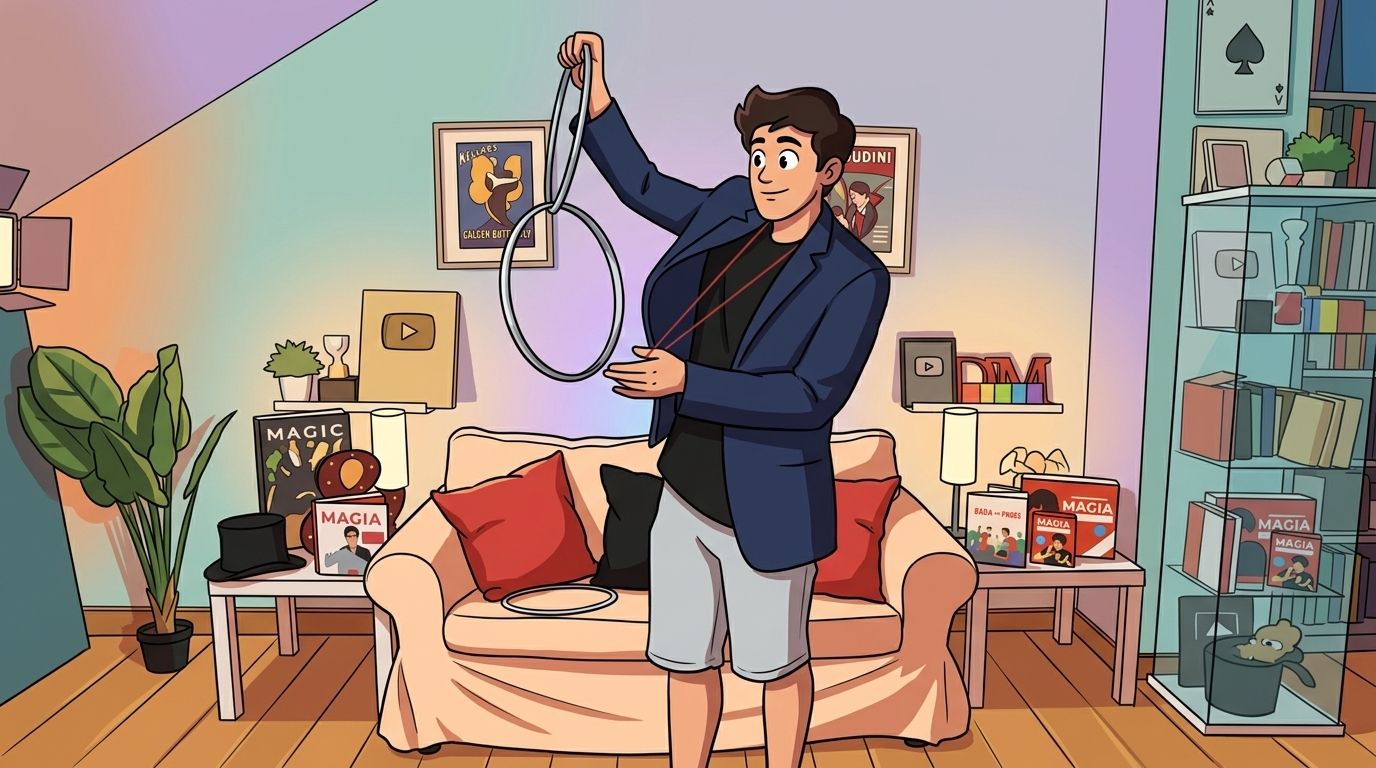
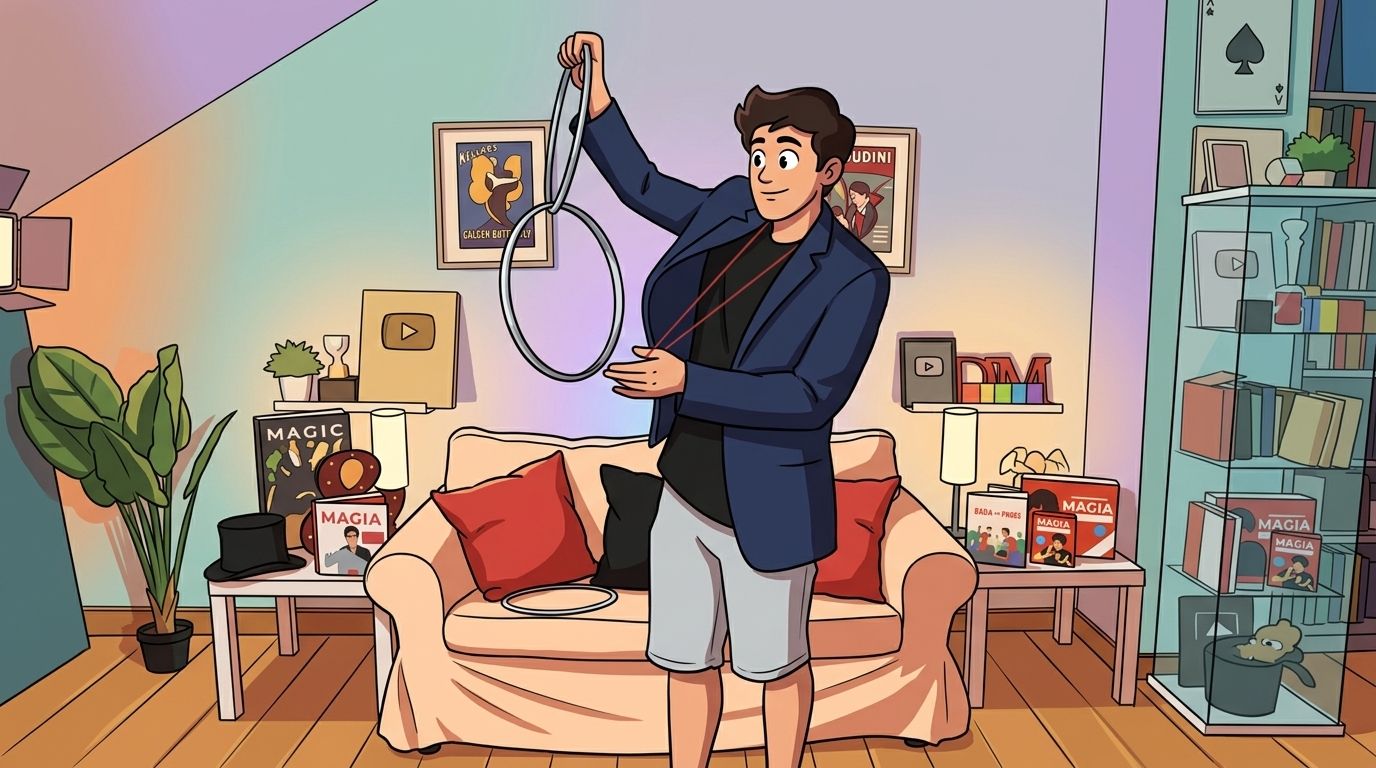
Stage Magic Masterclass
Develop your stage presence and character, organize your repertoire, and prepare a show from performance to production and technical documentation. Study family and street magic, manipulation, Rubik's cubes, levitations, grand illusions, predictions, and sound control, with exercises, explained routines, and specific material requirements.
Stage Magic Masterclass
Develop your stage presence and character, organize your repertoire, and prepare a show from performance to production and technical documentation. Study family and street magic, manipulation, Rubik's cubes, levitations, grand illusions, predictions, and sound control, with exercises, explained routines, and specific material requirements.


48 节课程
热身、注意力和舞台倾听
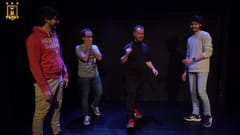
舞台能量:注意力、台风与形体控制
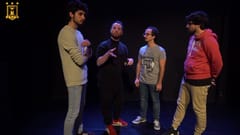
舞台即兴表演:注意力、倾听与创造力
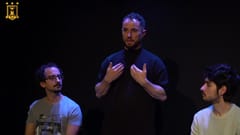
角色构建与舞台即兴表演
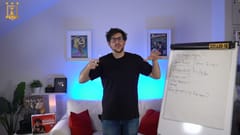
魔术角色:身份、动机与背景
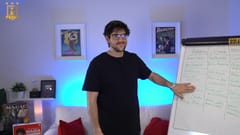
魔术角色:行凶者、受害者与见证者
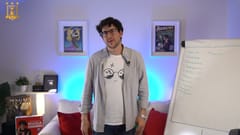
魔术效果的类型与基于情感的创作
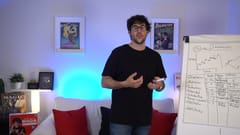
如何构建魔术专场秀
剧场魔术秀的筹备工作
假指尖:选择与操控
假指尖:道具与纸币魔术
沙漠之沙:准备工作与两个版本
生日派对与家庭庆典魔术
适合家庭演出的开场与前期流程
庆典音乐魔术:浮动桌与彩带
Participación y finales para espectáculos familiares
三阶魔方还原:层先法
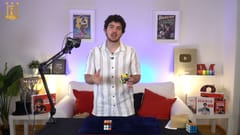
魔方巧合与还原
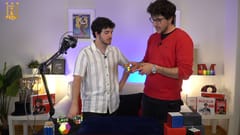
魔方奇幻还原术
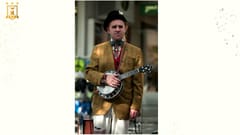
Magia de calle: espacios, horarios e imagen escénica
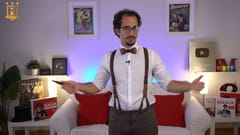
街头魔术:如何吸引观众并形成圆阵
街头魔术:节目单、串场与收顶
舞台魔术中的肥皂泡与烟雾
闪光纸、彩纸与彩带在舞台魔术中的应用
线悬浮魔术:材料、固定与灯光
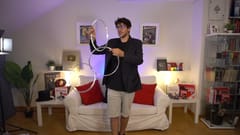
飞翔中国江南环:流程、手法与舞台呈现
踩玻璃:舞台表演与苦行僧魔术
苦行僧表演:玻璃碎裂与“吃玻璃”
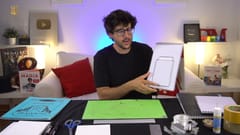
Cardiographic:动态速写本的制作与操控

顶针:Empalme、消失与传递
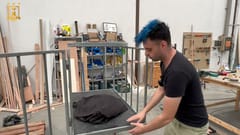
出场鸟笼与大型幻术入门
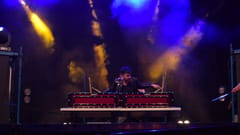
沃克林切人术:手法与表演
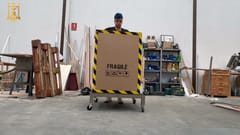
Flying Box:浮空箱、操纵与维护
球类手法:材质、现与隐
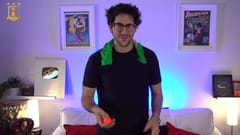
球类手法与流程:传递、指间滚动与自然度
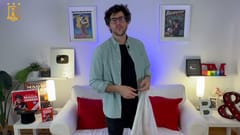
威利·门罗(Willy Monroe)球类Empalme
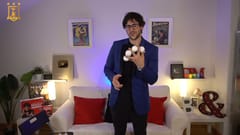
带壳球类操演:乘球与程序
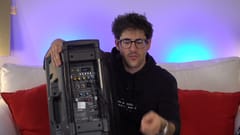
Go Button 与 Flic:音乐与音响设备控制
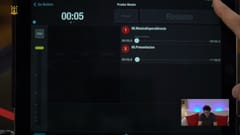
Go Button:Cues编程、渐变与Flic控制

QLab:提示点、淡入淡出与音效自动化
Cesaral PK道具心灵移动术
Cesaral 灵媒铃:手法操控与表演呈现
Cesaral 彩票预测:表演与揭示
终极预测(Master Prediction):舞台准备与表演
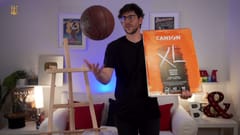
从速写本中变出篮球
魔术演出制作:规划与技术团队
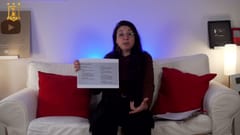
魔术演出商业提案与技术需求表
演出的 Cue Sheet、演出版面与分发
From Performer to Staging
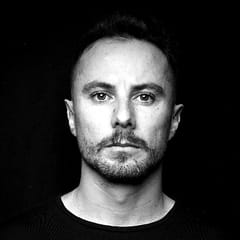
This masterclass brings together performance work, show organization, and the teaching of techniques, routines, and resources for parlor and stage. Borja Montón covers the presentation and much of the repertoire; Gerard Clúa works on performance, Adrián Marmac on Rubik's cubes, and David Navares on street magic. Orbit participates in the study of grand illusions, and César Alonso explains Cesaral apparatuses and presentations. Stella Pérez rounds out the journey with production, documentation, and team coordination.
The classes combine exercises with participants, handling explanations, workshops, prop testing, and staging analysis. This journey allows you to study both what the magician does and how it relates to the audience, music, space, and everyone collaborating on the performance.
Acting, Character, and Show Structure
Start by preparing your body, recognizing tension, and training attention, listening, and responding to the unexpected. Exercises involving claps, signals, associations, shared stories, and role-reversals help you observe your reactions and build your own stage presence. Different energy levels, stage entrances, gaze direction, and accepting a partner's offers are also explored.
Character work continues with their motivations, goals, context, and way of acting. Compare the roles of the person causing the magic, the one surprised by it, and the one sharing it as a witness. Then, connect the types of effects with the emotions you want to convey and organize the show using an interest curve, pacing, dynamics, and transitions. A guided theater tour showcases prop preparation, the dressing room, backstage areas, and coordination with technicians and front-of-house staff.
Thumb Tip and Desert Sands
Study the selection and handling of the thumb tip: fitting, loads, steals, dumps, and naturalness. Applications include a silk production, signed bill switch, a version of bill to lemon, and a successive bill production. Light-up and animated props are also compared, distinguishing those possibilities from the routines explained in detail.
Desert Sands covers the preparation and handling of the classic version and a variation by Borja. Containers and sands are compared, visible changes during the effect are examined, and the table, cleanup, consumables, and sightline limitations are reviewed. Building and rehearsing the props are part of the work; not all variations offer the same conditions for use.
Family Shows
Plan a performance for birthdays and other celebrations with children and adults: storyline, repertoire order, visibility, transport, audience participation, and finale. The classes show how to transition from a visual opening to collective participation and bringing up the first helper, and how to bring back the story's core goal at the end.
Practical explanations cover bottle and glass productions, handling a production pad, the bill tube, and silk changes, alongside the construction and presentation of the color streamers. Details of the floating table and basic movements for a spring raccoon are also explored. Other routines serve to compare programming options; a complete routine for every single apparatus shown is not taught, nor is a fully finished turnkey show provided for copying.
Rubik's Cubes
Adrián Marmac first teaches how to solve a 3x3 layer by layer, from pieces and notation to last-layer cases. He then explains a routine involving matching cubes and solving them inside bags, complete with setup, one-handed handling, instructions for the participant, and successive reveals.
This module incorporates a color force, progressive and instant solves, and false shuffles. It covers orientation, coordination, angles, and the distinction between sleight of hand and a magical effect. Comparing commercial props expands your options, but the main techniques use normal cubes and do not require purchasing every product shown.
Street Magic
With David Navares, analyze where and when to perform, how to build a recognizable image, and how to transport a practical kit. Learn crowd-gathering resources, how to form a circle, and audience participation to draw in your first spectators and maintain momentum as more people arrive.
Repertoire selection, transitions between routines, and building anticipation for the big finale lead directly into working the hat: preparing your own patter, asking for donations naturally, and collecting contributions without stopping the show. Clips of other artists and the tricks mentioned are analyzed as presentation examples, not as explanations of their methods.
Atmosphere, Levitations, and Fakirism
Compare soap bubbles, portable smoke, and stage fog, along with flash paper, confetti, and streamers. Equipment differences, consumables, range, noise, cleanup, and venue coordination are reviewed. Fire demonstrations are for adults 18 and older and do not replace safety training or the manufacturer's instructions.
The study of levitations covers materials, anchor points, balance, motors, guidance, and lighting. The flying Chinese Linking Rings routine is explained phase by phase, covering setup, links, flights, music, error recovery, and packing up the props. This requires proper rings and controlled stage conditions; the other levitations mentioned do not automatically turn into complete routines included here.
Classes on glass walking, stage breaks, and the classic glass-eating act also examine narrative, sound, rhythm, and participation. This content is exclusively informative and educational for adults 18 and older. We do not recommend reproducing these effects: glass can cause severe injury. Magigram assumes no liability for their reproduction.
Construction, Grand Illusions, and Manipulation
The Cardiographic workshop teaches how to build and adjust a homemade version of the animated drawing pad, present the drawing, and hand out the sheet as a souvenir. It includes testing, finishing touches, and adjustments during assembly. Thimbles work introduces palms, vanishes, finger switches, and transfers to build practice sequences.
With Orbit and Borja, study an appearance cage, Wakeling's Sawing a Woman in Half, and the Flying Box. Existing apparatuses, proportions, access, visibility, maintenance, and coordination between performers and spectators are analyzed. Transport, costume, and joint rehearsal are part of the learning process. Full blueprints and structural manufacturing training are not provided.
Ball manipulation progresses from material selection and initial appearances to transfers, the roll, the Willy Monroe palm, and shell multiplications. Body naturalness is worked on alongside hand technique, and these resources are linked into sequences with a silk and hat, including the final production of four balls.
Music and Technical Control
Learn how to set up sound equipment and program musical cues. Go Button and Flic are demonstrated on an iPad: pairing, cues, hits, notes, waits, fades, loops, and remote control. Configuration errors that can cause overlapping tracks or accidental playback are reviewed.
In QLab, the Mac demonstration covers groups, fades, and automation for walk-in music, announcements, and show starts. It includes video and camera examples and cue preparation for working with a technician. This is not comprehensive training in lighting, mapping, or all integrations of those software programs.
Telekinesis, Predictions, and Appearances
César Alonso explains Cesaral PK objects, the spirit bell, and a lottery prediction system. The classes connect equipment operation with timing, instructions to the spectator, and how to reveal the result. Presentation ideas that are merely discussed are clearly distinguished from the handlings actually taught in depth.
Borja also covers the Master Prediction: choosing the setup, preparing the paper and envelopes, assistant participation, and progressive reveals. The appearance of a basketball from a sketch pad explores another type of production, covering construction details, easel setup, angles, and packing up the prop. Both routines require prepared equipment and rehearsal of the explained coordination.
Production, Documentation, and Team Coordination
With Stella Pérez, organize the work from the initial idea study all the way through rehearsals, performances, touring, and closing. Distinguish between production, maintenance, and tour budgets, align calendars and resources, and recognize the responsibilities of direction, production, stage management, and technical departments. Viability and break-even points are introduced as planning criteria without developing a full financial case. Stage vocabulary and examples of sound, lighting, and video help you communicate needs and work with specialists.
The commercial dossier presents what the show offers, who it is aimed at, and how to contact the company. Its fact sheet, synopsis, background, images, and links are studied, along with adaptations for the press and sponsors. The rider specifies what each party provides: stage, crew, schedules, access points, dressing rooms, set design, and technical equipment. Reading blueprints and the counter-rider allows you to compare what is requested with what is available and agree on alternatives before arriving at the venue.
Learn how to document each routine using a cue sheet that distinguishes the cue—the line, action, or musical reference—from the action the technician must execute. The technical cue sheet brings together lights, sound, video, and effects; the stage cue sheet organizes people, props, entrances, and exits. Timing references, photographs, file names, fades, and cleanup requirements are worked on to give clear instructions and adjust them during rehearsal.
The closing section presents contacts and distribution channels in Spain, including self-distribution, booking agents, and theater circuits. Mentions of contracts, rights, grants, and taxation offer an overview of the industry in the context of the recording, not an up-to-date legal guide or a promise of bookings. The documents are analyzed in the video; downloadable templates and appendices are not provided.
Materials and Preparation to Make the Most of It
You can study acting, structure, and repertoire criteria without buying any props. Prepare a clear space, paper for creation exercises, and, when applicable, partners to practice with. To apply show organization, it helps to already have a few effects you have mastered. To put together your documentation, also gather the sequence of actions, duration, and target audience, along with images, contacts, audiovisual files, and an inventory of resources and needs; coordinate setup details with your technical leads.
Technical equipment depends on what you choose to work on: thumb tips and silks; 3x3 cubes; balls, shells, and thimbles; materials to build and adjust the pads; rings and levitation systems; or the corresponding commercial apparatuses. Grand illusions require appropriate equipment, space, and trained participants. Some applications assume prior knowledge of known techniques, such as a card force or basic prop handling, which are not always re-explained from scratch.
Sound practice requires your own audio files, an audio output, and a device compatible with the chosen software: an iPad for the Go Button demonstration and a Mac for QLab. Flic, microphones, soundboards, and additional equipment correspond to the specific setup you wish to reproduce. The versions, interfaces, and commercial references are those from the recordings.
Apparatuses, consumables, software, and licenses are external; blueprints, music files, and media from the cited shows are not included. Manual modules and grand illusions have different demands from the initial acting exercises: rehearse each technique and check your angles, props, and coordination before incorporating it into a performance.
From Performer to Staging
This masterclass brings together performance work, show organization, and the teaching of techniques, routines, and resources for parlor and stage. Borja Montón covers the presentation and much of the repertoire; Gerard Clúa works on performance, Adrián Marmac on Rubik's cubes, and David Navares on street magic. Orbit participates in the study of grand illusions, and César Alonso explains Cesaral apparatuses and presentations. Stella Pérez rounds out the journey with production, documentation, and team coordination.
The classes combine exercises with participants, handling explanations, workshops, prop testing, and staging analysis. This journey allows you to study both what the magician does and how it relates to the audience, music, space, and everyone collaborating on the performance.
Acting, Character, and Show Structure
Start by preparing your body, recognizing tension, and training attention, listening, and responding to the unexpected. Exercises involving claps, signals, associations, shared stories, and role-reversals help you observe your reactions and build your own stage presence. Different energy levels, stage entrances, gaze direction, and accepting a partner's offers are also explored.
Character work continues with their motivations, goals, context, and way of acting. Compare the roles of the person causing the magic, the one surprised by it, and the one sharing it as a witness. Then, connect the types of effects with the emotions you want to convey and organize the show using an interest curve, pacing, dynamics, and transitions. A guided theater tour showcases prop preparation, the dressing room, backstage areas, and coordination with technicians and front-of-house staff.
Thumb Tip and Desert Sands
Study the selection and handling of the thumb tip: fitting, loads, steals, dumps, and naturalness. Applications include a silk production, signed bill switch, a version of bill to lemon, and a successive bill production. Light-up and animated props are also compared, distinguishing those possibilities from the routines explained in detail.
Desert Sands covers the preparation and handling of the classic version and a variation by Borja. Containers and sands are compared, visible changes during the effect are examined, and the table, cleanup, consumables, and sightline limitations are reviewed. Building and rehearsing the props are part of the work; not all variations offer the same conditions for use.
Family Shows
Plan a performance for birthdays and other celebrations with children and adults: storyline, repertoire order, visibility, transport, audience participation, and finale. The classes show how to transition from a visual opening to collective participation and bringing up the first helper, and how to bring back the story's core goal at the end.
Practical explanations cover bottle and glass productions, handling a production pad, the bill tube, and silk changes, alongside the construction and presentation of the color streamers. Details of the floating table and basic movements for a spring raccoon are also explored. Other routines serve to compare programming options; a complete routine for every single apparatus shown is not taught, nor is a fully finished turnkey show provided for copying.
Rubik's Cubes
Adrián Marmac first teaches how to solve a 3x3 layer by layer, from pieces and notation to last-layer cases. He then explains a routine involving matching cubes and solving them inside bags, complete with setup, one-handed handling, instructions for the participant, and successive reveals.
This module incorporates a color force, progressive and instant solves, and false shuffles. It covers orientation, coordination, angles, and the distinction between sleight of hand and a magical effect. Comparing commercial props expands your options, but the main techniques use normal cubes and do not require purchasing every product shown.
Street Magic
With David Navares, analyze where and when to perform, how to build a recognizable image, and how to transport a practical kit. Learn crowd-gathering resources, how to form a circle, and audience participation to draw in your first spectators and maintain momentum as more people arrive.
Repertoire selection, transitions between routines, and building anticipation for the big finale lead directly into working the hat: preparing your own patter, asking for donations naturally, and collecting contributions without stopping the show. Clips of other artists and the tricks mentioned are analyzed as presentation examples, not as explanations of their methods.
Atmosphere, Levitations, and Fakirism
Compare soap bubbles, portable smoke, and stage fog, along with flash paper, confetti, and streamers. Equipment differences, consumables, range, noise, cleanup, and venue coordination are reviewed. Fire demonstrations are for adults 18 and older and do not replace safety training or the manufacturer's instructions.
The study of levitations covers materials, anchor points, balance, motors, guidance, and lighting. The flying Chinese Linking Rings routine is explained phase by phase, covering setup, links, flights, music, error recovery, and packing up the props. This requires proper rings and controlled stage conditions; the other levitations mentioned do not automatically turn into complete routines included here.
Classes on glass walking, stage breaks, and the classic glass-eating act also examine narrative, sound, rhythm, and participation. This content is exclusively informative and educational for adults 18 and older. We do not recommend reproducing these effects: glass can cause severe injury. Magigram assumes no liability for their reproduction.
Construction, Grand Illusions, and Manipulation
The Cardiographic workshop teaches how to build and adjust a homemade version of the animated drawing pad, present the drawing, and hand out the sheet as a souvenir. It includes testing, finishing touches, and adjustments during assembly. Thimbles work introduces palms, vanishes, finger switches, and transfers to build practice sequences.
With Orbit and Borja, study an appearance cage, Wakeling's Sawing a Woman in Half, and the Flying Box. Existing apparatuses, proportions, access, visibility, maintenance, and coordination between performers and spectators are analyzed. Transport, costume, and joint rehearsal are part of the learning process. Full blueprints and structural manufacturing training are not provided.
Ball manipulation progresses from material selection and initial appearances to transfers, the roll, the Willy Monroe palm, and shell multiplications. Body naturalness is worked on alongside hand technique, and these resources are linked into sequences with a silk and hat, including the final production of four balls.
Music and Technical Control
Learn how to set up sound equipment and program musical cues. Go Button and Flic are demonstrated on an iPad: pairing, cues, hits, notes, waits, fades, loops, and remote control. Configuration errors that can cause overlapping tracks or accidental playback are reviewed.
In QLab, the Mac demonstration covers groups, fades, and automation for walk-in music, announcements, and show starts. It includes video and camera examples and cue preparation for working with a technician. This is not comprehensive training in lighting, mapping, or all integrations of those software programs.
Telekinesis, Predictions, and Appearances
César Alonso explains Cesaral PK objects, the spirit bell, and a lottery prediction system. The classes connect equipment operation with timing, instructions to the spectator, and how to reveal the result. Presentation ideas that are merely discussed are clearly distinguished from the handlings actually taught in depth.
Borja also covers the Master Prediction: choosing the setup, preparing the paper and envelopes, assistant participation, and progressive reveals. The appearance of a basketball from a sketch pad explores another type of production, covering construction details, easel setup, angles, and packing up the prop. Both routines require prepared equipment and rehearsal of the explained coordination.
Production, Documentation, and Team Coordination
With Stella Pérez, organize the work from the initial idea study all the way through rehearsals, performances, touring, and closing. Distinguish between production, maintenance, and tour budgets, align calendars and resources, and recognize the responsibilities of direction, production, stage management, and technical departments. Viability and break-even points are introduced as planning criteria without developing a full financial case. Stage vocabulary and examples of sound, lighting, and video help you communicate needs and work with specialists.
The commercial dossier presents what the show offers, who it is aimed at, and how to contact the company. Its fact sheet, synopsis, background, images, and links are studied, along with adaptations for the press and sponsors. The rider specifies what each party provides: stage, crew, schedules, access points, dressing rooms, set design, and technical equipment. Reading blueprints and the counter-rider allows you to compare what is requested with what is available and agree on alternatives before arriving at the venue.
Learn how to document each routine using a cue sheet that distinguishes the cue—the line, action, or musical reference—from the action the technician must execute. The technical cue sheet brings together lights, sound, video, and effects; the stage cue sheet organizes people, props, entrances, and exits. Timing references, photographs, file names, fades, and cleanup requirements are worked on to give clear instructions and adjust them during rehearsal.
The closing section presents contacts and distribution channels in Spain, including self-distribution, booking agents, and theater circuits. Mentions of contracts, rights, grants, and taxation offer an overview of the industry in the context of the recording, not an up-to-date legal guide or a promise of bookings. The documents are analyzed in the video; downloadable templates and appendices are not provided.
Materials and Preparation to Make the Most of It
You can study acting, structure, and repertoire criteria without buying any props. Prepare a clear space, paper for creation exercises, and, when applicable, partners to practice with. To apply show organization, it helps to already have a few effects you have mastered. To put together your documentation, also gather the sequence of actions, duration, and target audience, along with images, contacts, audiovisual files, and an inventory of resources and needs; coordinate setup details with your technical leads.
Technical equipment depends on what you choose to work on: thumb tips and silks; 3x3 cubes; balls, shells, and thimbles; materials to build and adjust the pads; rings and levitation systems; or the corresponding commercial apparatuses. Grand illusions require appropriate equipment, space, and trained participants. Some applications assume prior knowledge of known techniques, such as a card force or basic prop handling, which are not always re-explained from scratch.
Sound practice requires your own audio files, an audio output, and a device compatible with the chosen software: an iPad for the Go Button demonstration and a Mac for QLab. Flic, microphones, soundboards, and additional equipment correspond to the specific setup you wish to reproduce. The versions, interfaces, and commercial references are those from the recordings.
Apparatuses, consumables, software, and licenses are external; blueprints, music files, and media from the cited shows are not included. Manual modules and grand illusions have different demands from the initial acting exercises: rehearse each technique and check your angles, props, and coordination before incorporating it into a performance.