Card Shuffles: From Overhand Shuffle to Faro Shuffle

Six lessons by Julio Ribera covering the overhand shuffle, Hindu shuffle, table riffle shuffle, tabletop riffle with a bridge finish, in-the-hands riffle and Faro shuffle. Study grips, supports, pressure and closures, with an introduction to their uses in card magic.
Card Shuffles: From Overhand Shuffle to Faro Shuffle
Six lessons by Julio Ribera covering the overhand shuffle, Hindu shuffle, table riffle shuffle, tabletop riffle with a bridge finish, in-the-hands riffle and Faro shuffle. Study grips, supports, pressure and closures, with an introduction to their uses in card magic.
6 Lessons
Overhand shuffle: grip and packet withdrawal
Hindu Shuffle: grips and packet transfers
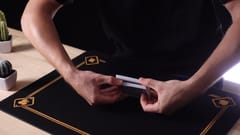
Table Riffle Shuffle: Grips and Weave
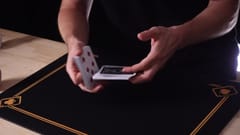
Table Riffle Shuffle: Setup and Closure
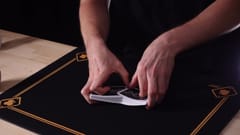
In-the-Hands Riffle Shuffle: Grip and Closure
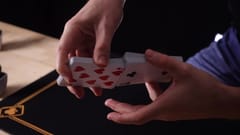
Faro Shuffle: Precise Interweaving and Deck Orientation
Shuffling naturally begins with controlling how the deck is held and handled. Julio Ribera breaks down six shuffle techniques across six lessons and seven videos: an introduction to the overhand shuffle and its possibilities, followed by explanations of each handling.
This path covers basic shuffles and their execution. The introduction shows examples of card controls and mentions the possibilities of false shuffles; these applications help you understand the value of the foundational sleight, without aiming to be a comprehensive course on controls, forces, or false shuffles.
Overhand and Hindu Shuffle
The overhand shuffle is studied starting from finger placement and the action of pulling off packets with the thumb. Julio explains why it is important to learn this motion correctly before moving on to more advanced applications, and the issues that arise from holding the cards improperly.
The Hindu shuffle uses a different distribution of finger supports. Its explanation reviews the mechanics grip, the separation of small packets, and catching them in the other hand. Its connection to a future force is mentioned, but the specific focus of that lesson is the shuffle.
Table Riffle and Riffle Shuffle with a Bridge Finish
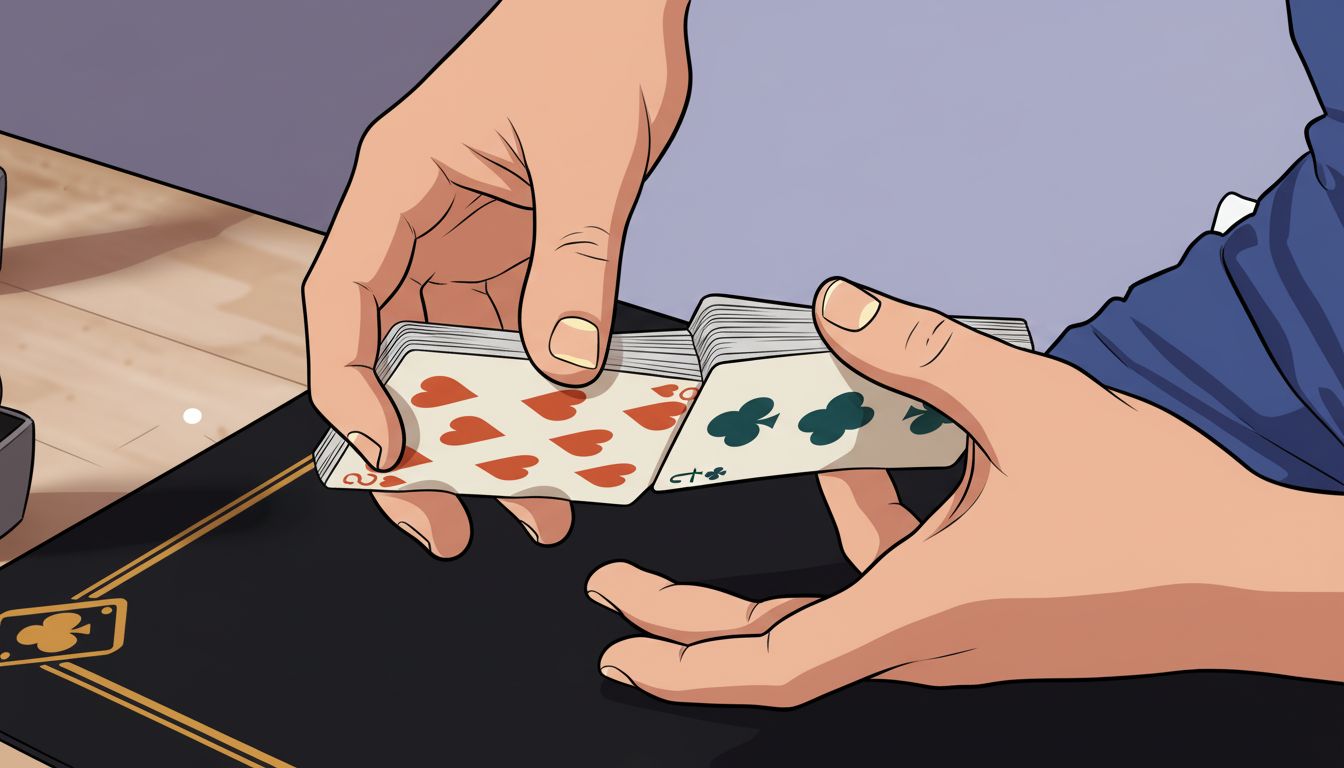
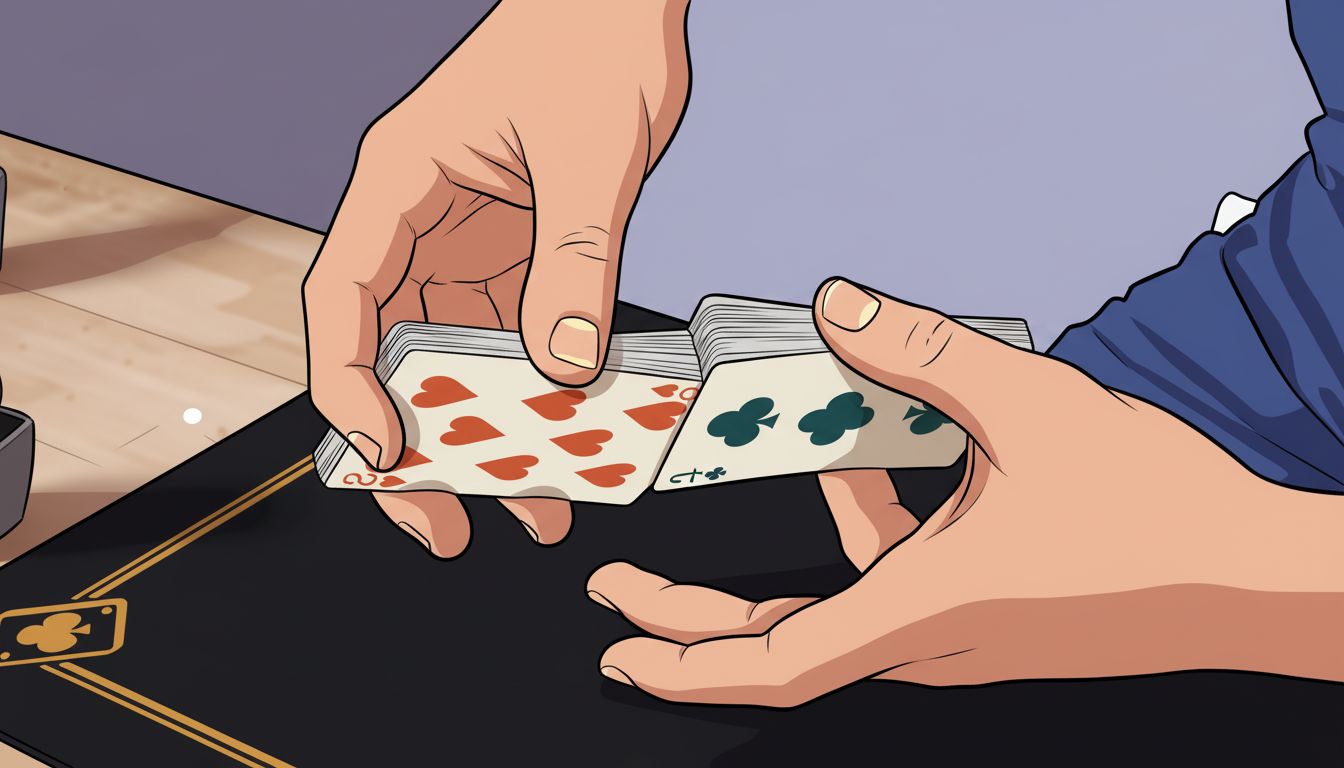
The table riffle covers splitting the deck, positioning the two halves, placing the index fingers, and releasing with the thumbs. The work continues until the cards are interlaced and squared up.
The tabletop riffle shuffle with a bridge finish adds a preparatory phase and transfer of the packets, followed by the weave and the arched closure. Attention is paid to grip depth, finger placement, and necessary pressure, avoiding bending the cards more than the handling requires.
Taking the Riffle In the Air
The in-the-air version starts with knowing the basic riffle. Its teaching relies on substituting the table's support with finger grip: holding each half-packet, maintaining thumb contact, and repositioning the index fingers to complete the shuffle and its closing phase.
Precise Weaving with the Faro Shuffle
The path concludes with the Faro shuffle, which aims to weave the cards one by one. The explanation uses a color separation to show the outcome and covers the cut, finger supports, tension, and the subtle movement that makes the cards mesh.
Two handling orientations are studied and how they relate to the edge response. Julio recommends a high-quality deck: that condition and the orientation of the pack are part of what you need to keep in mind when practicing.
Material and Practice Tips
You will need a deck of cards; table shuffles require that supporting surface. No special magic prop or single-brand deck is strictly required. For the Faro, quality material is recommended, and for the in-the-air riffle, it is best to master the basic execution first.
This course allows you to compare techniques with different demands. The common thread is adjusting your grips, modulating pressure, keeping packets controlled, and finishing with the cards neatly squared up. The explanations point out the movements and details you need to practice, without promising that familiarity with one basic shuffle will replace practicing the others.