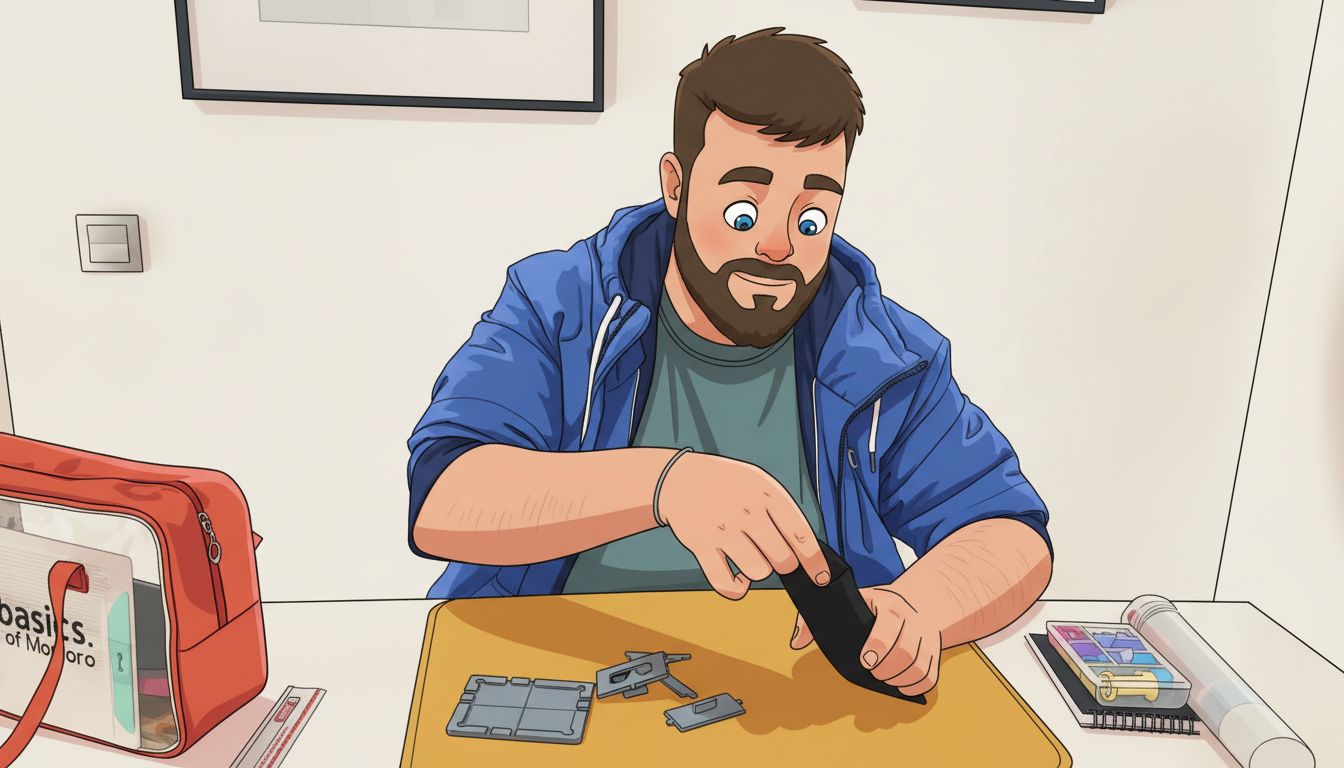
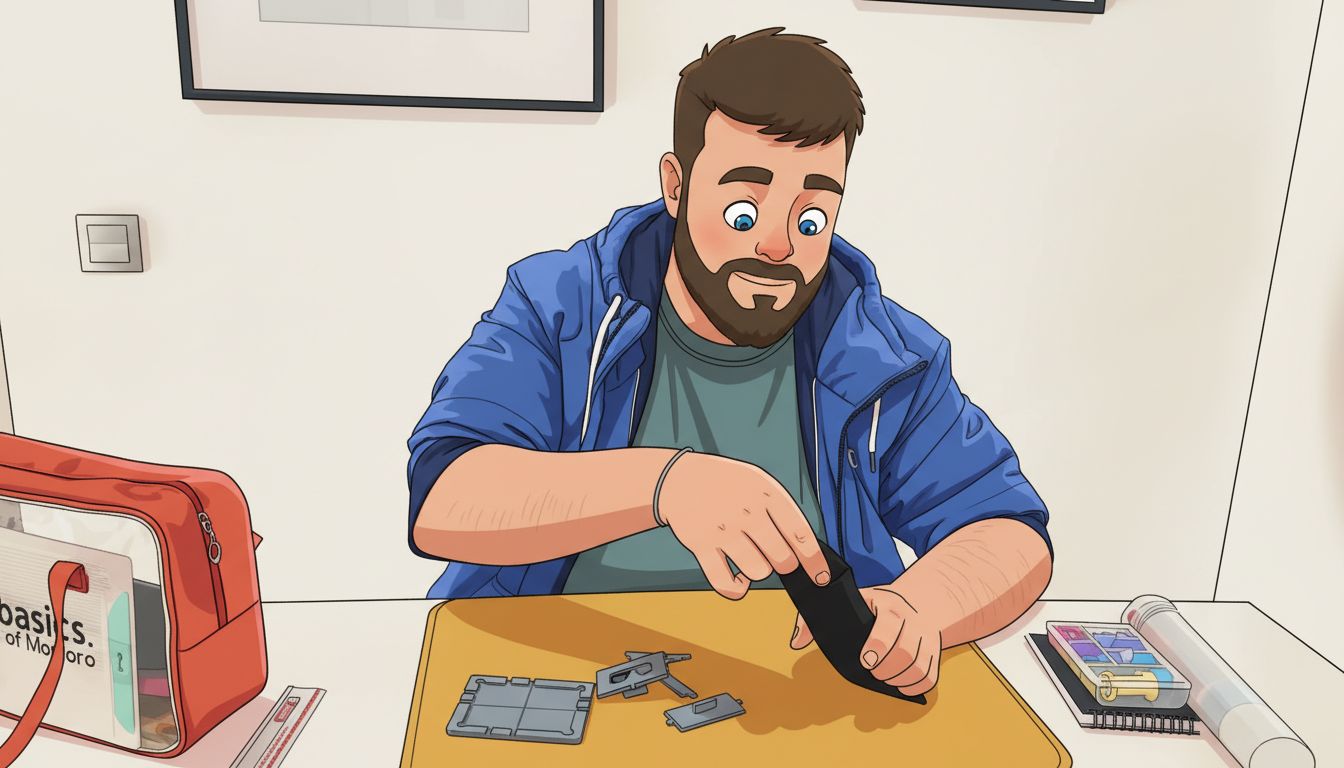
Gimmick Construction with Julio Montoro

A workshop by Julio Montoro on building mechanisms and gaffed cards. Six lessons and seven videos cover tools, Card Splitting, magnets, elastic thread, custom designs, and two flap constructions.
Gimmick Construction with Julio Montoro
A workshop by Julio Montoro on building mechanisms and gaffed cards. Six lessons and seven videos cover tools, Card Splitting, magnets, elastic thread, custom designs, and two flap constructions.
By Julio Montoro
6 Lessons

Tools and materials for building gimmicks
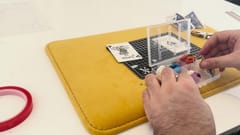
Card Splitting and construction of magnetic cards
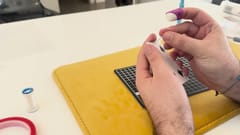
Knotting and tensioning elastic thread in cards
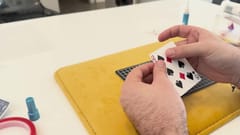
Custom gaff cards using card splitting
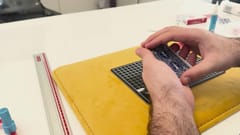
Back Flap: Two Ways to Build a Back Change
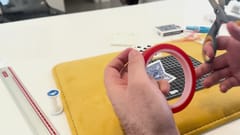
Face Flap: Construction with Two Court Cards
Julio Montoro introduces gimmick construction across six lessons and seven videos. The journey starts with tools and materials, develops preparation techniques, and finishes with the manufacturing of a Back Flap and a Face Flap.
The goal is to understand how pieces are worked and how mechanisms are assembled. The effect possibilities illustrate what can be done with them; the main content is a construction workshop.
Organizing tools and materials
The first lesson brings together an introduction and a tour of Montoro's personal kit. Drawing, cutting, piercing, thread, magnet, adhesive, and finishing tools are shown.
He explains what he uses each group for and what he looks for when choosing them. The brands and projects he mentions are references to his work; the full inventory is not an identical mandatory shopping list for every build.
Splitting layers and embedding magnets
Card Splitting covers splitting playing cards and applies it to two magnetized cards. Aligned holes, orientation, magnet fitting, and covering with thin layers are worked on.
The relationship between the punched hole diameter and the magnet size is part of the preparation. The assembly is completed with adhesion and finishing, and usage possibilities are shown without turning them into several full routines.
Placing and tying elastic thread
The next explanation uses two cards to study piercing, threading, tension, and knots. The process is repeated, and comments are made on how to leave slack so the thread can adjust.
This is elastic thread for card mechanisms. The invisible thread that appears as another element in the kit does not turn this section into a levitation lesson.
Creating custom cards
Using split layers and cut-out elements, a fusion card is built. Montoro shows two handlings to use that result and proposes other face or back combination ideas.
The construction of the example is fully developed. The additional designs are proposals for applying the principle, not multiple complete projects to be built one by one.
Back Flap and Face Flap
The Back Flap uses a two-tone double-backer and another support card. A reference assembly and a variation by Montoro are compared, working on partial cutting, framing, adhesion, thread, and finishing.
The Face Flap changes one court card for another. The explained version requires two court cards and uses the WonderCutter or the El Engendro guide for cutting. That dependency remains explicit, without promising a substitute that is not demonstrated.
In both cases, you reach the testing of the mechanism. The construction work is distinguished from a full presentation routine and other methods that are only mentioned.
Materials and working method
Each lesson details the elements for its assembly. The set uses cards to obtain layers and supports, adhesives, cutting and piercing tools, elastic thread, and, in the corresponding build, magnets compatible with the holes.
The Back Flap adds a two-tone double-backer. The Face Flap uses two court cards and the shown cutting guide. The tools and components serve to manufacture the mechanisms; there is no need to buy the finished effects that are taught to be built.
The course introduces manual skills and repeats their application in various assemblies. It is wise to practice alignment, cutting pressure, adhesion, and thread adjustment. Montoro shows examples and corrections during the process to check operation and finishing.