

Borja's Seven Jewels: Technique, Repertoire, and Presentation

Borja Mazorriaga shares seven routines featuring cards, ropes, silks, and rings, along with an introduction to the cull and rehearsal techniques. A journey uniting technique, audience participation, and musical composition.
Borja's Seven Jewels: Technique, Repertoire, and Presentation
Borja Mazorriaga shares seven routines featuring cards, ropes, silks, and rings, along with an introduction to the cull and rehearsal techniques. A journey uniting technique, audience participation, and musical composition.
By Borja Mazorriaga
9 Lessons

Borja's Seven Jewels: Approach and Working Method
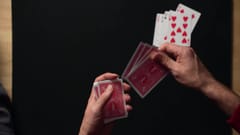
Cull: controlling cards and practicing group separation

I Can See It in Your Face: An Opening Routine with a Card Transformation

Triumphant Mess: Sorting Out the Deck's Chaos

Attention and Intuition: Chameleon Cards and Multicolor Deck

Oil and Water: Separations and Full Deck Climax

Cut and Restored Rope: Building a Musical Routine

The Handkerchief Hypnosis: Comedy and Productions for Two Spectators
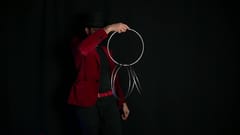
Linking Rings: links, figures, and musical composition
This path gathers the repertoire and explanations of Borja Mazorriaga, with Julio Ribera acting as host during the lessons. Nine lessons organize an introduction, the study of the cull, and seven routines from various disciplines. The common thread of the journey is how to connect the method with what the audience understands and remembers.
Technique and Four Card Routines
The initial conversation introduces Borja's working method and two ways to connect music and magic. The cull lesson develops a progression from a single card to larger groups.
Te lo veo en la cara combines an apparent divination and a transformation in the spectator's hands, featuring a classic force, outs, and control alternatives. Revoltijo triunfante allows participants to mix face-up and face-down cards before a Triumph finale.
Atención e intuición uses a prepared PAI deck to expand the chameleon cards into a multicolored finish. Oil and Water develops several separations of a small group and ends with the full deck separated; it includes an option from a shuffle and another with prior setup.
Ropes, Silks, and Rings
Cut and Restored Rope studies a structured musical routine by phases, featuring cuts, knots, connections, and the handling of the finale. The hypnosis of the silks works on a children's presentation with two participants, a triple-change bag, and silk productions; the hypnosis is part of the comedy patter.
The Linking Rings close the path with a composition for four rings, links, chains, and separations. Music is used here as a starting point to organize the movements.
For card magic you will need a deck and, in the chameleon version, the specific prepared props. The other routines require a rope and scissors, a change bag and silks, or the indicated set of rings. The lessons review their handlings and point out knowledge worth exploring further. The journey allows you to study both the sequences and the decisions regarding participation, pacing, clarity, and rehearsal that accompany them.