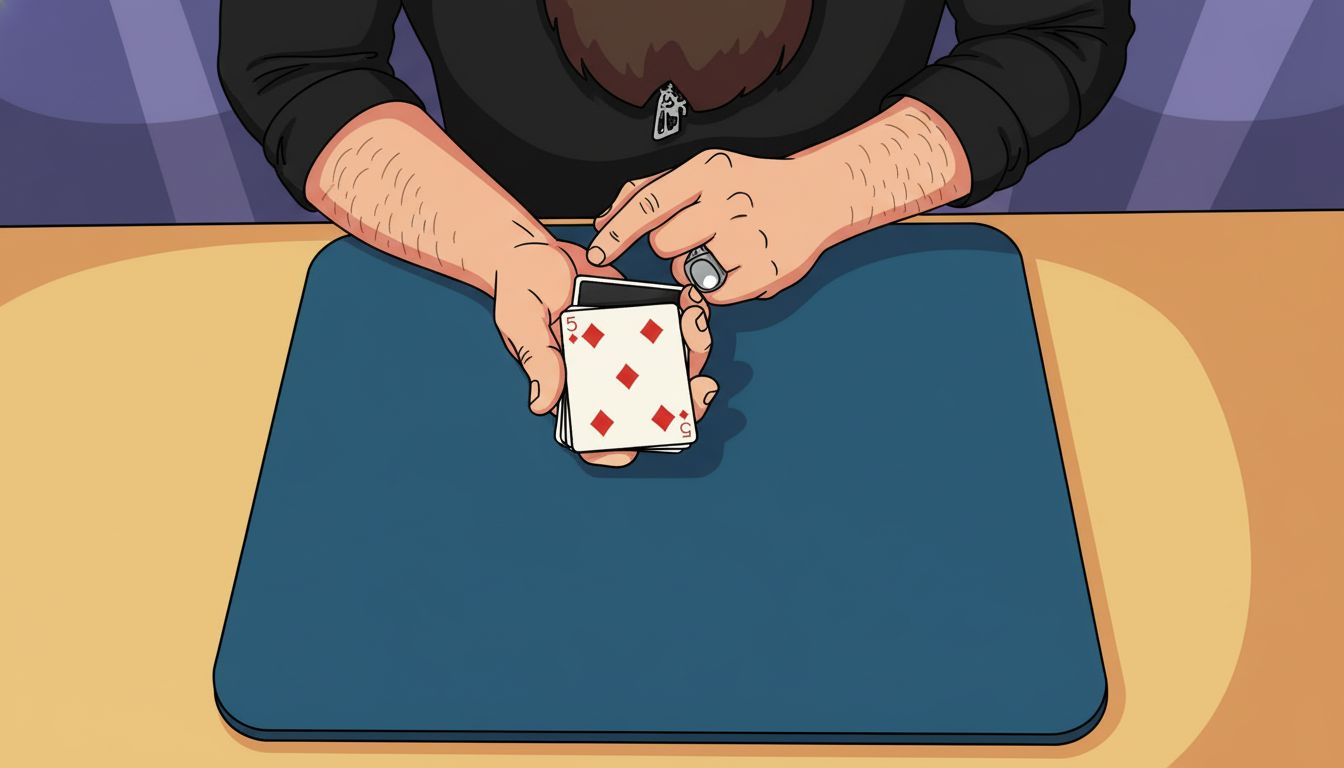
Triumph: three versions with Julio Ribera and Leandro Furtado


Three ways to present mixed faces and backs until just one card remains reversed. Julio Ribera and Leandro Furtado explain controls, shuffles, displays and attention. Covers an ordinary deck, a three-double-backer setup and a version requiring half a double-backed deck.
Triumph: three versions with Julio Ribera and Leandro Furtado
Three ways to present mixed faces and backs until just one card remains reversed. Julio Ribera and Leandro Furtado explain controls, shuffles, displays and attention. Covers an ordinary deck, a three-double-backer setup and a version requiring half a double-backed deck.
3 Lessons
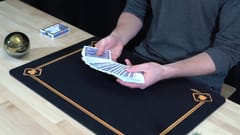
Three ways to build a Triumph
The shared plot is simple: a card is lost, the deck appears mixed face up and face down, and finally all cards face the same way except the selection. This course gathers three versions reaching that result through different controls, displays and materials.
Julio Ribera teaches the Vernon-based version and the half-double-backed version. Leandro Furtado presents his own handling with two setups and different ending conditions. There are three lessons and four videos: a separate performance of the first version and three tutorials.
First: ordinary-deck control and display
The first lesson uses a normal deck that can be shuffled and examined before the effect. The selection is controlled to the bottom and an apparent mix of faces and backs is constructed.
Table work includes locating the division by riffling, opening packets to strengthen the image of disorder and gathering them with a symmetrical action covering the necessary turnover. A full recap ends with the time to leave before revealing the selection.
Next: Leandro Furtado's version
The second lesson adds a Cardini-like bottom control, fan and gaze cover, and a Faro shuffle or table-shuffle alternative.
The main setup uses three double-backers. An ordinary-card option is also taught, but its ending requires a controlled spread: three cards retain an orientation concealed by borders and handling. The course explains that distinction rather than presenting the endings as freely interchangeable.
Finally: half a double-backed deck
The third lesson combines approximately half a regular deck with half a double-backed deck in matching designs. Selection and return happen in different zones to allow genuine packet mixing, even with the spectator pushing the cards together.
Presentation and attention cover the turnover before the result. The selected card can be handed out while the deck remains prepared. A switch to a separate normal deck for further magic is discussed, including the extra material and handling it requires.
Materials and prior knowledge
The first version needs an ordinary deck and table space. Furtado's version can be studied with normal cards; add three double-backers if choosing his main setup. The final version requires double-backed cards matching the ordinary ones; check the back designs at your magic shop.
The versions do not share one level of preparation. They apply controls, breaks, overhand shuffling, packet displays, covered turnovers, Faro or table shuffling and spreads. The tutorials demonstrate their use in the effect; practise these resources and respect each setup's conditions.
What you can compare
Study what ordinary-deck handling contributes, what changes with a few double-backers and what freedom a prepared half provides. Compare what the audience sees with what can actually be examined at each ending. Choose the construction fitting your materials, technique and presentation; the course does not promise identical preparation or unrestricted examination throughout.