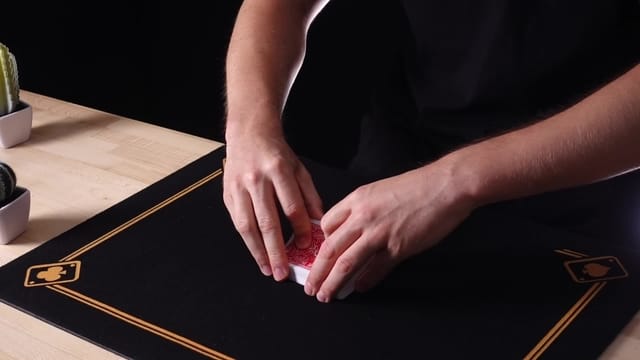
Vernon's Triumph Variation
Common Mistake: The Over-Complicated Shuffle
Most magicians try to make the "mixed" phase of Triumph look as chaotic as possible. They scramble the cards with so much energy that they lose track of the deck's orientation themselves. When you look like you're struggling to keep the cards in order, the audience stops trusting that the deck is truly mixed and starts looking for a trick.
Why It Matters
When you keep your movements relaxed and natural, the "chaos" feels real. The audience genuinely believes the deck is a mess. When you finally reveal that the cards have organized themselves, the contrast is much stronger. You aren't just doing a trick; you're creating a moment where order emerges from disorder.
What You'll Learn
This lesson breaks down a classic handling of the Triumph plot. You’ll learn how to control a chosen card to the bottom using a simple overhand shuffle and how to manage the "face-up, face-down" display without getting tangled in your own fingers.
We focus on the "forgetting parenthesis"—the pause you take before the reveal. This gives the audience a moment to let the impossibility of the situation sink in. You’ll also learn the specific finger positioning needed to maintain your break so you can reveal the deck's transformation with confidence.
About the Instructor
Julio Ribera is a Spanish magician known for making complex card magic feel accessible. He skips the fluff and focuses on the practical mechanics that actually get reactions, teaching you how to build a routine that works in the real world.
What's Included
- Controlling the Card: Using the swing cut and double undercut to secure the selection.
- The Shuffle: Keeping your chosen card at the bottom while appearing to mix the deck.
- The Display: Creating the visual illusion of a chaotic, face-up/face-down deck.
- The Reveal: Timing your magic pass to maximize the impact.
- Presentation: How to use the "forgetting parenthesis" to build suspense.
Frequently Asked Questions
What if I mess up the face-up/face-down display?
Don't panic. If you show the cards calmly, the audience rarely notices a small error. Just keep your pace steady and focus on the final snap of your fingers.
Is this the only way to perform Triumph?
Not at all. This is a solid, classic approach. Once you master these mechanics, you can adjust the handling to fit your own style.
How do I know I'm doing it right?
When the audience stops looking at your hands and starts looking at the deck in disbelief, you’re doing it right. If they can't track the cards, you've succeeded.