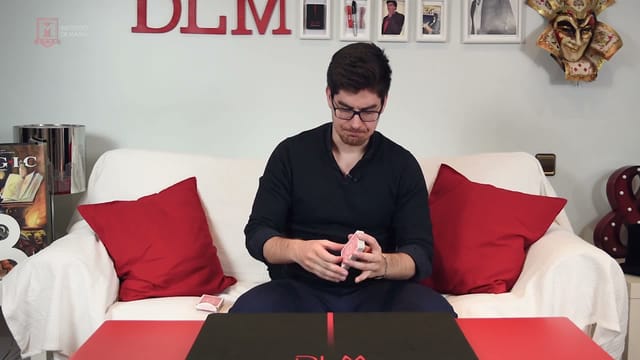
Presentation and Fictional Magic: The Biddle Trick and the Gypsy Thread
The Audience, Conflict, and Storytelling
This lecture connects theatrical performance with the presentation of magic. The starting point is considering what the audience experiences, alongside wondering how an effect was achieved. Juanma Gonzalez proposes working on the interest, conflict, and emotions that accompany wonder, whether in close-up magic, parlour, or stage.
Two presentation styles are compared: describing the physical actions taking place versus creating a fiction in which those actions make sense. Neither is presented as the right or wrong option. The comparison helps recognize what each approach contributes so you can choose the one that best fits the effect and your communication style.
A story about the imagery of a rabbit pulled from a hat introduces this reflection. Afterward, themes such as money, the future, relationships, health, mythical tales, and personal experiences are considered. The examples show how the stakes of the exact same action shift when something is on the line for the spectator.
The Biddle Trick: One Effect, Two Presentations
The Biddle Trick, also referred to as Devilish, is shown first with a descriptive presentation and then with a fiction rooted in imagination. A chosen card vanishes from a small packet held by the spectator and reappears face up inside the deck.
The explanation separates technical handling from the presentation to study both independently. Selection and the stop force, the Biddle count, a false count, the side steal, and the final spread are covered. The rhythm of the counts, hand positioning, the most delicate angle, and covering actions through patter are all reviewed.
The second approach to the routine explores how to hold an imaginary card, make it visible within the fiction, and maintain coherence between words and gestures. It analyzes when to reveal that a card is missing, how to allow the participant to react, and how to incorporate their hand into the final appearance. The focus is not on adding more demonstrations, but on ensuring the climax answers the situation that has been established.
Gypsy Thread: Personal Narrative, Music, and Restoration
The second practical routine is the Gypsy Thread: a piece of thread is torn into several pieces and restored back to one continuous length. The performance uses a story tied to the instructor's grandmother and flows into music. The explanation demonstrates how to draw upon a personal experience without merely narrating every movement.
The preparation of the spool, handling of the thread, necessary switches, and the restoration are taught. Specific attention is given to preparation that minimizes the risk of knots, tension control, hand relaxation, and solutions for finishing and clearing away. Working conditions for sitting versus standing are compared, as well as letting a participant tear the final piece.
The analysis of the patter distinguishes the experience inspiring the story from the details adapted to stage it. Music is used as a reference for timing and pauses: the climax requires time for the audience to see and appreciate the restoration.
A Presentation That Fits Your Style
Drawing on examples from Pepe Carroll, René Lavand, and other artists, various ways to connect character, wardrobe, props, story, and performance space are examined. These routines are discussed as examples of construction and style; the methods taught in this lecture are specifically for the Biddle Trick and the Gypsy Thread.
Exercises with pen and paper invite you to identify your own interests and motivations, and to consider what persona or character might express them when performing magic. It is not necessary to adopt a fictional character: you can also build a proposal straight from your own personality.
The closing conversation with Borja tackles stage fright, preparing outs, the experience of performing in front of live audiences, and different ways to manage initial pre-show nerves. These are performance reflections and resources, tied to both of their experiences, to help you refine your way of working.
Materials and Prerequisites
For the practical section, you will need a standard deck of cards, enough space to spread them, a spool of basting thread, and pen and paper for the exercises. A small box for storing and transporting the prepared thread is shown. You can use music to practice the presented version of the Gypsy Thread.
You should be comfortable handling the deck, using a riffle shuffle, and maintaining a break between packets. The stop force, counts, and specific details of both routines are explained throughout the lecture. These reflections on presentation can also be applied to any routine you already master.