Glasses, rings, and other props in stage pickpocketing
Props change both the technique and the outcome of a pickpocket act. Shado El Mago gathers here three extensive explanations about glasses, rings, and other objects that may appear in a performance.
Glasses in different positions
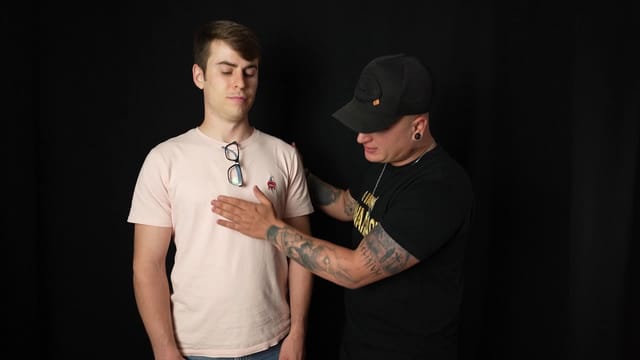
The first video compares glasses hanging from clothing, kept in a case, placed on top of the head, or worn on the face. The differences in contact, vision, and the participant's familiarity with each position are discussed.
The explanation particularly distinguishes what the volunteer knows from what the audience interprets. In the case of glasses on the face, Shado develops the parenthesis of oblivion and double reality: a later surprise does not necessarily mean the person did not perceive the initial action.
False placements, separate returns of the case and glasses, and various presentation possibilities are also studied. The tutorial highlights the care of the material and differentiates actions that should not be combined within the same situation.
The ring and its conditions
The second video presents the ring handling that Shado uses with a wipe moistened with hand sanitizer gel. The wipe is part of the material for that version, without requiring a specific brand.
The fit and shape of different rings are compared, and it is explained why the teacher prefers certain specimens over others. He also discusses an alternative stage construction option that changes the starting situation and works on the audience's memory.
The content describes the resource and its conditions. It does not present a guaranteed outcome with tight rings nor does it renew the sanitary circumstances that motivated the teacher's anecdote.
Garments and badges
The third video expands the study to a hanging sweater, badges, chains, and headphones. Closures and ways of wearing each accessory are compared, and the adaptation of previously known resources to a different object is discussed.
The badge allows developing an idea of exchange between participants. Shado presents it as an example of effect construction based on available material. Other objects and situations are cited to show how to think about variations, without promising a complete independent routine for each mention.
Material and learning
To study each case you will need the corresponding prop and a person to practice with. The ring version adds the described wipe; glasses and case allow comparing different returns; the closures of a badge or chain determine which variant can be rehearsed.
It is advisable to understand the basics of contact, cover, and direction of attention. The objective of the lesson is to recognize the conditions of the object, study the explained cases, and distinguish between a technical action and the way to present it to the audience.