Five pickpocket performances commented by Shado
This lesson allows you to follow a pickpocket routine beyond an isolated sleight. Shado The Magician revisits five performances, discussing what he did, what he encountered in each situation, and how he interprets the participants' responses.
The videos alternate performance snippets with pauses and explanations. The teacher includes successes, difficulties, and retrospective decisions; he does not present all recordings as an identical model to his later way of working.
Live Television
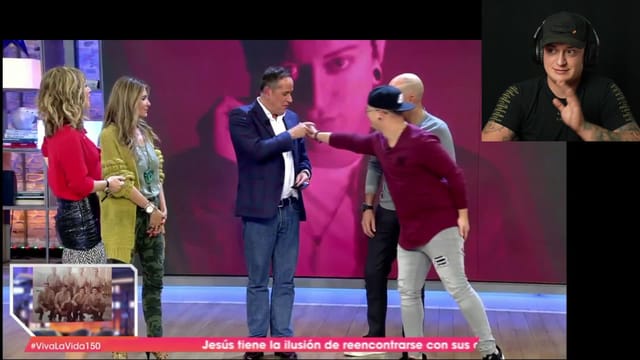
The first analysis focuses on an appearance on Viva la vida. The participants are already on the set and know the nature of the routine, which changes the selection possibilities.
Shado discusses positioning, the distribution of roles, adaptation to objects that appear during the interaction, and improvisation in the face of the participants' own actions. He also reviews how the returns are resolved and which moments could have been played up more.
An Awards Gala
The second performance allows for the study of a more open choice of volunteers. The commentary follows the time spent searching for them, the opening patter, and the cues the teacher uses to decide who to work with.
Clothing offers examples of a tie, belt, and jacket. The analysis relates the phased work to interruptions, the pacing of the patter, and the distribution of attention among several people.
A Show at Eye Level with the Audience
The third case takes place in a movie theater, with a close-up layout even though the room is large. Shado discusses how this space changes the interaction and the visibility of the reactions.
The selection of participants, the use of a coin sequence, the opportunities that arise during the routine, and the differences between planning an action and improvising are studied. The commentary also reviews confusions and return decisions, including the influence of the house lights.
Audition and Semifinal
The last two videos review his participation in Got Talent. The recorded audition and the live semifinal are compared, with different conditions of time and selection.
Shado discusses the nerves, the techniques he would later modify, the limitations of certain objects, and how to resolve situations that do not go exactly according to plan. The review allows us to observe changes between the two performances and understand why the television context affects the staging.
Reading the Routine as a Whole
Throughout the five cases, resources of physical, verbal, and visual attention, false returns, putpocket, phased work, and double reality are recognized. The explanation concentrates on how they combine and what the volunteer experiences versus what the audience interprets.
The closers and magic effects that appear in the recordings are viewed and discussed as parts of the show. Their presence does not mean the lesson teaches the complete setup of every production, switch, or television effect.
Materials and Prior Knowledge
To follow the analysis, watching the commented performances is enough. If you want to practice an application, you will need the object or garment from that case and know how to handle it technically.
It is advisable to familiarize yourself beforehand with pickpocket principles and the specific methods the teacher refers to. The value of the lesson lies in studying real decisions, limits, and improvisation, and in learning how to review one's own performance with attention to the whole.