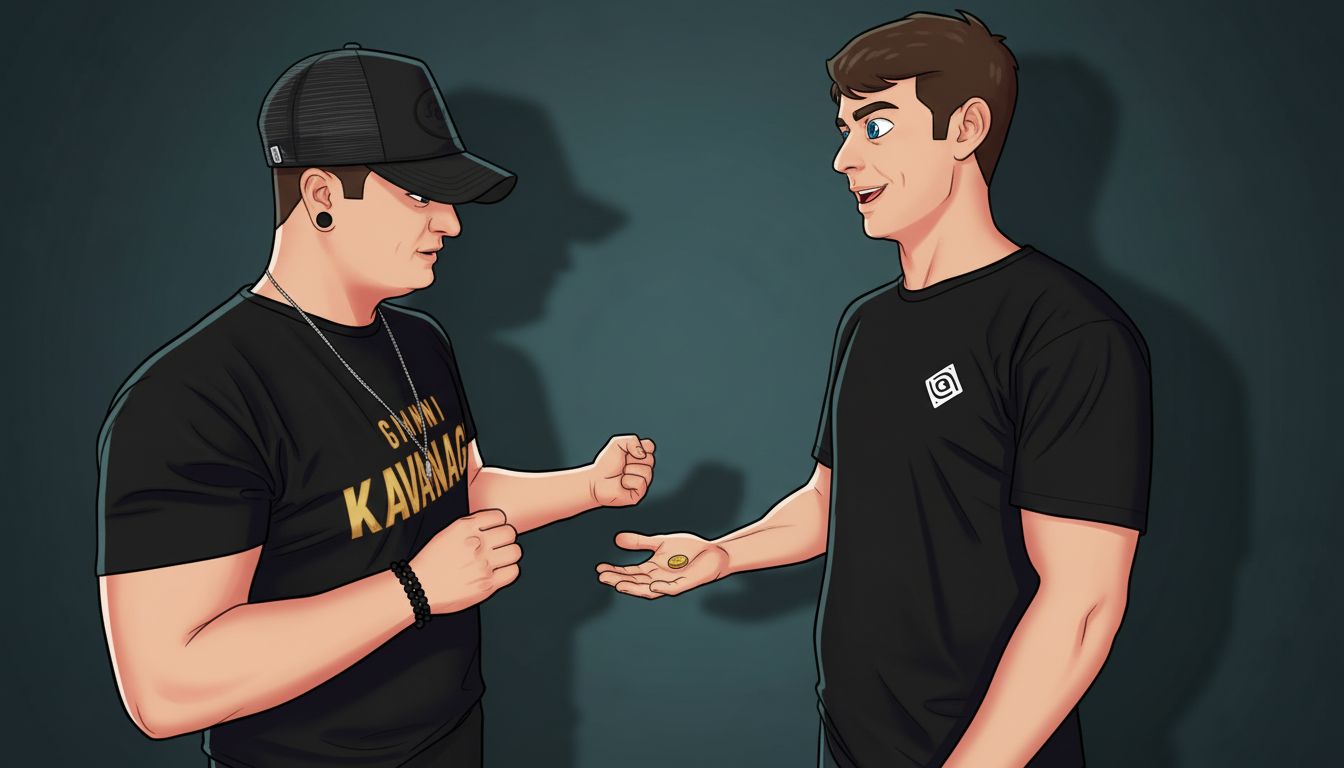
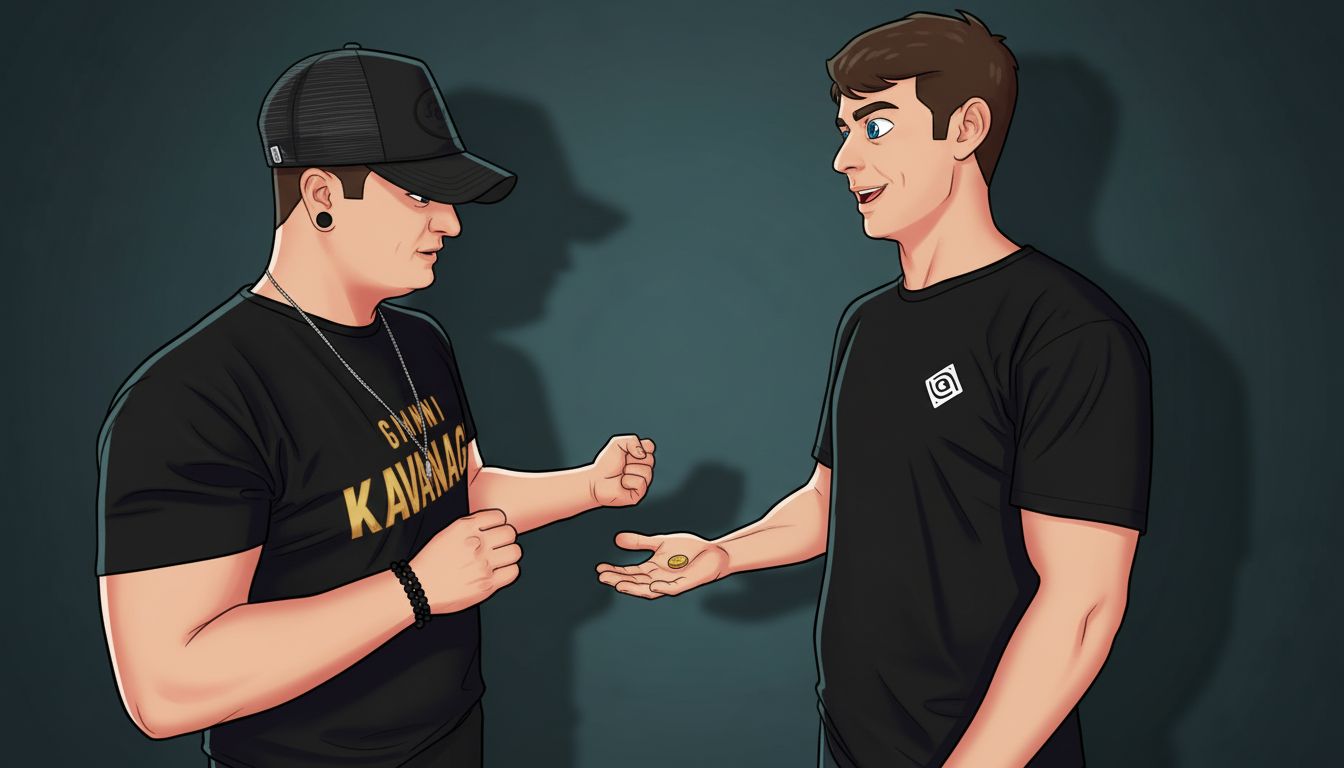
Stage Pickpocket with Shado: Technique, Presentation, and Analysis

Nineteen lessons by Shado the Magician to study pickpocketing as a stage act. Concepts, practice, volunteer selection, objects and garments, routines, returns, and five annotated performances across a journey of 82 videos.
Stage Pickpocket with Shado: Technique, Presentation, and Analysis
Nineteen lessons by Shado the Magician to study pickpocketing as a stage act. Concepts, practice, volunteer selection, objects and garments, routines, returns, and five annotated performances across a journey of 82 videos.
By Shado El Mago
19 Lessons

Stage Pickpocket: Concept and Limits of Presentation

How to practice pickpocketing: touch, observation, and rehearsal

Coin change in the hand: attention and dual reality

Jacket Wallet Transposition: An Introductory Routine

Announcing the pickpocket or saving the surprise

Choosing volunteers for a pickpocket routine

Relationship with the volunteer and stage confidence

Pickpocket Misdirection: Body, Words and Gaze

Jacket Pickpocket: Exterior and Interior Pockets

Trouser Pockets: Handling and Garment Conditions

Watch Pickpocketing: Straps, Clasps, and Handling Conditions

Belt and tie: staged pickpocketing phase-by-phase handling

Glasses, rings, and other props in stage pickpocketing

Tricky Thefts: False Returns, False Transfers, and Putpocket

Sponge and coin magic for a watch steal act

Pick Mental: Building a Mentalism Revelation

Returns and Double Reality: Building the Finale of the Routine

Five pickpocket performances commented by Shado

Final tips to keep practicing pickpocketing
This path by Shado the Magician brings together nineteen lessons and 82 videos on stage pickpocketing. The journey combines concepts, handling explanations, presentation examples, and performance reviews. Julio participates in demonstrations and conversations that allow you to compare what is actually done with what the volunteer perceives.
Starting with the Framework and Practice
The first lesson introduces the discipline, the weight of psychology, and double reality, along with the performance context and the return of belongings. Afterward, ways of practicing are compared: watch stands, garments, mannequins, and mental observation.
The first practical examples are a coin change in the participant's hand and a wallet routine with a jacket. They serve to connect handling with attention and patter.
Designing the Participation
The journey continues with the decision to announce the pickpocketing or reserve a surprise within the presentation. Shado compares their effects on expectation, closeness, and the possibilities of resolving an action once it is discovered.
The lessons on selection and interaction with volunteers develop when to choose them, how to talk to them, and how many people to bring in. The teacher's personal criteria are studied within his persona and the cases he demonstrates.
The explanation of misdirection distinguishes physical, verbal, and visual attention and shows how they combine. Those ideas reappear later in concrete applications.
Recognizing Objects and Conditions
The technical block studies jacket and trouser pockets, highlighting differences in position, garment, closure, and object. Examples include wallets, phones, keys, and handkerchiefs.
The watch lesson compares rubber and leather straps, one-handed and two-handed versions, deployable clasps, and other cases. Belts and ties add phased work, belt loops, and knots. The study of accessories broadens the journey to glasses, rings, hung garments, and badges.
The teacher also explains decisions to avoid a specific item or adapt an action. Demonstrations do not guarantee that any closure, garment, or accessory will have the exact same conditions.
Building Other Situations
The lesson on trap thefts develops false returns, false transfers, and putpocketing. Handling, verbal confirmation, and the image of keeping an object are tied together.
Next, situations with sponge balls and coins are studied to integrate a watch into a magic presentation. Pick Mental applies the discipline's resources to a mentalism revelation and dedicates a significant part to the notepad, temporal spacing, and the return of the participant's material.
Effects cited as support—such as PK Touch—do not become, merely by being mentioned, other full routines included in the path.
Shaping the Denouement
The return lesson studies when to reveal the objects, how to keep track of who owns each object, and how to pace the finale. Composite objects, different images of impossibility, and the double reality between participant and audience are distinguished.
The complete and correct return is part of the act. The apparent number of actions and prop elements are studied as theatrical resources.
Reviewing Complete Performances
Five annotated performances allow you to observe these ideas in television, an awards gala, and a show close to the audience. Shado reviews selection, nerves, improvisation, difficulties, and decisions he would change later.
The recordings also show and comment on closing routines and magic effects, without thereby teaching the complete setup of each televised effect. The journey ends with two reflection videos on practice, observation, and continuity of learning.
Materials and Working Foundation
Theoretical lessons and analyses can be followed without gathering all the materials. To practice each case, you will need its object or garment: coins, a jacket or trousers with pockets, watches with known closures, a belt, a tie, or the accessories you wish to study.
Situations with sponges use two balls; Pick Mental employs a wallet, notepad, paper, and writing. The explained ring version uses a wipe moistened with hand sanitizer gel. These are conditions for specific cases; no commercial brand or exclusive kit is required for the entire path.
Teaching starts with the framework and moves towards applications. Some magic resources, such as palming, double lifts, or false shuffles, are used or cited without constituting independent technical courses within the journey.
The goal is to understand the conditions, learn the explained cases, and study how to turn them into a spectacle interaction. The teacher's preferences and dissemination experiences are presented as such, without promising professional results, identical reactions, or a universal application of the handlings.