How to practice pickpocketing: touch, observation, and rehearsal
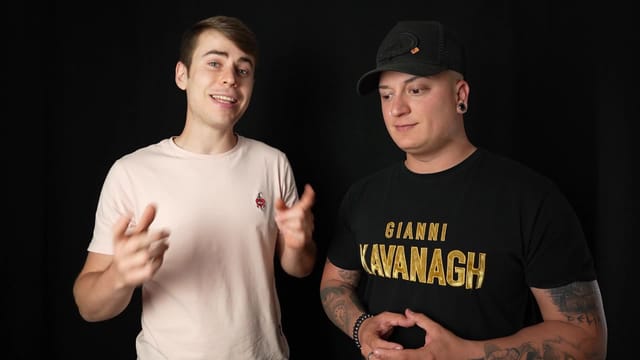
This lesson by Shado El Mago gathers advice on moving from knowing the sleight to a more conscious practice. The conversation with Julio compares practicing at home, observing performances, and working on the interaction with a person.
Separating technique and human response
A prop allows you to repeat contacts and paths, but it does not react like a participant. Shado explains why psychological learning requires observing and understanding real responses, in addition to repeating the physical part.
Julio shares his early practice experiences and comments on the usefulness of analyzing performances to recognize details that are later attempted to be applied.
Choosing practice props
The explanation compares cylindrical objects for practicing with watches, such as a roll of paper, with your own arm, a stuffed animal, or a mannequin. It studies what information each provides: pressure, sensitivity, movement, and resistance.
For pocket work, Shado discusses using a jacket on a hanger and a dressed mannequin. He also describes the resource of placing little bells as a reference for the garment's movement, without confusing it with a perfect measure of what a person would perceive.
The key is to recognize the limitations of the prop. A material that is too soft or rigid can make an action easier or harder in a way that differs from the performance situation.
Developing observation
The final video presents what Shado calls the thief's eye: observing types of objects and accessories and imagining possible performance scenarios. He frames it as a mental exercise and distinguishes that observation from interfering with people's belongings on the street.
Materials and scope
For the physical exercises, you can use a watch, a cylindrical prop, a jacket with pockets, and, if you have one, a mannequin or stuffed animal. These are rehearsal alternatives; no specific commercial gimmick is required.
The lesson offers practice criteria and examples. It does not replace individual explanations of each technique nor does it promise that the fluency gained with a prop will by itself reproduce the interaction with a spectator.