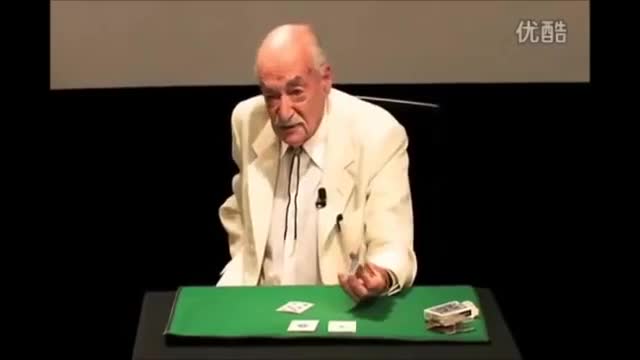
Classic Ace Control and Location
What Most People Get Wrong
Many magicians focus entirely on the mechanics of the move, treating the cards like a math problem. They get so caught up in the "how" that they forget the "why." When you perform a location effect, if you just show the audience where the cards are, you miss the chance to build tension and make the reveal mean something.
Why It Matters
When you frame your card magic with a story—like a tense game in a small town or a challenge between card sharks—the audience stops looking for the move and starts following the narrative. This shifts their focus away from your hands and onto the outcome of the story. It turns a simple card trick into a performance that people actually remember.
What You'll Learn
This lesson breaks down how to weave storytelling into your card work. You'll see how to use misdirection and timing to control cards even after spectators have "lost" them in the deck. We cover the rhythm of your cuts and how to handle the deck so that the final reveal feels earned, whether you're using a clean cut or a more dramatic flourish.
About the Instructor
Julio Ribera is a seasoned performer who believes that magic is about generating a sense of wonder. His approach combines technical skill with the practical wisdom he's gained from years of street and close-up performance. He doesn't just teach moves; he teaches you how to present them so they land.
What's Included
- Techniques for controlling cards after spectator participation
- Methods for building narrative tension during a routine
- Handling the deck to ensure cards remain lost while you maintain control
- Pacing your reveals for maximum impact
- Tips on audience management during high-stakes card effects
Frequently Asked Questions
What if I've been performing these moves differently for years?
That's fine. Magic is about finding what fits your style. This lesson is about adding layers to your current routine, not replacing what already works for you.
Is there a "correct" way to cut to the cards?
The "correct" way is the one that gets the reaction you want without being detected. We focus on natural movement so your actions look like standard handling rather than a calculated move.
How do I know if I'm doing it right?
Watch your audience. If they are focused on the story and the cards—and not watching your fingers to see what you're doing—you’ve mastered the misdirection.