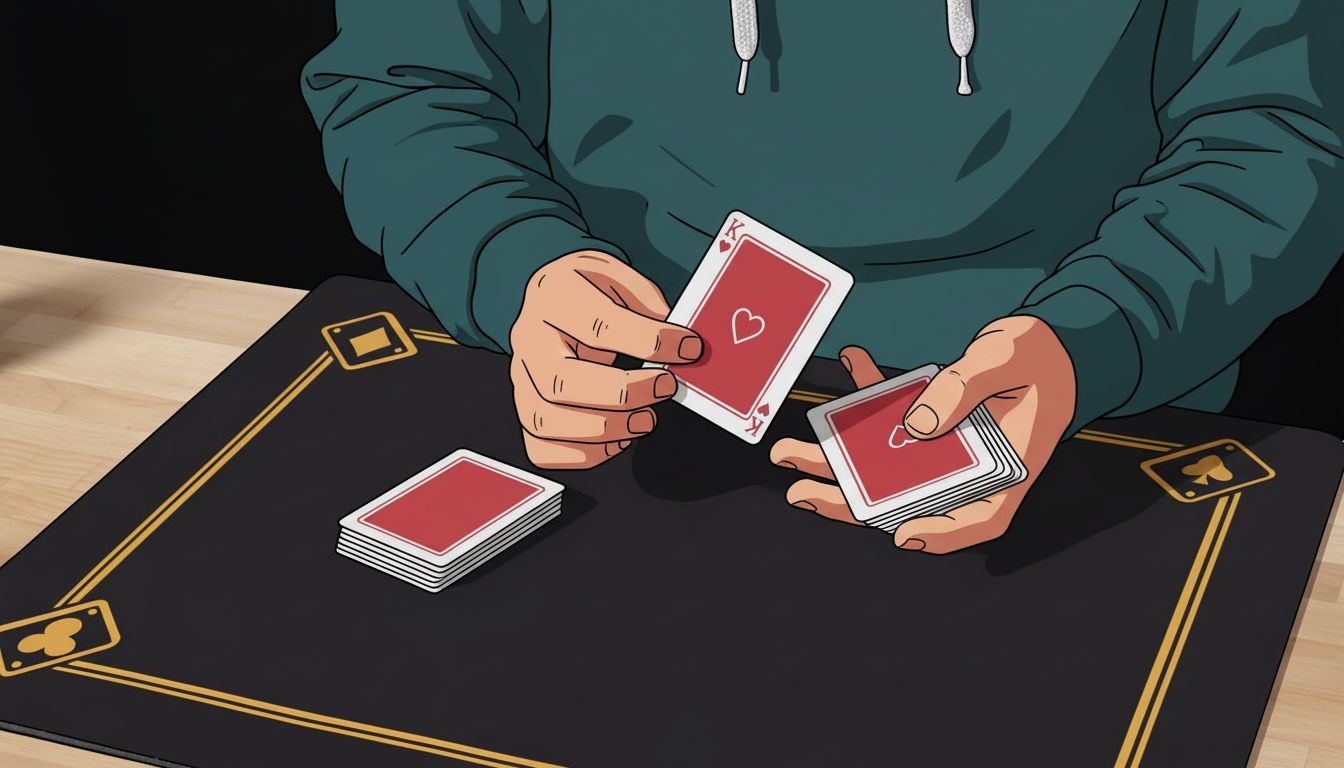
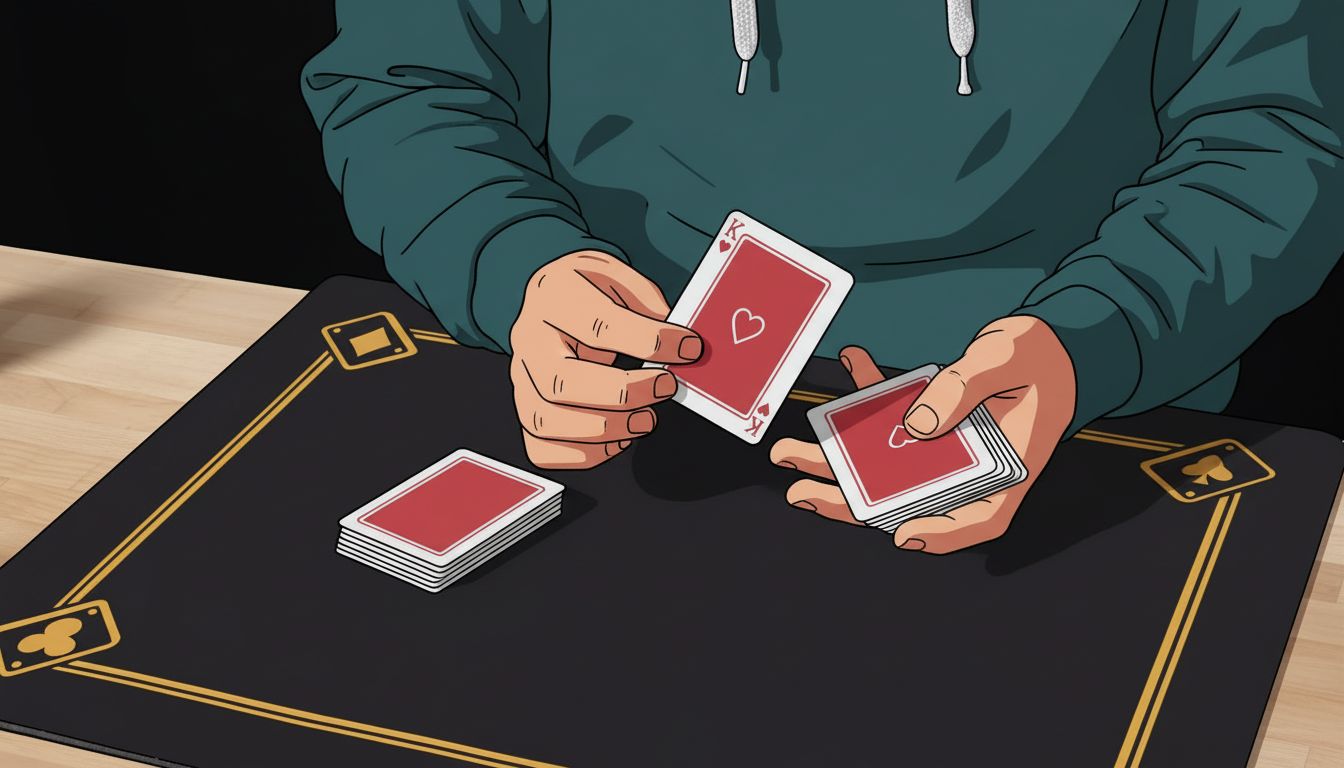
El Cumanés Card Routine

Master a classic four-ace production routine that combines smooth sleight-of-hand with storytelling for professional-level card magic.
El Cumanés Card Routine
Master a classic four-ace production routine that combines smooth sleight-of-hand with storytelling for professional-level card magic.
6 Lessons
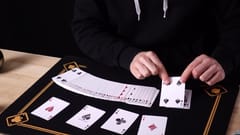
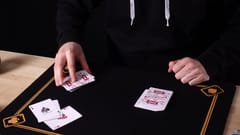
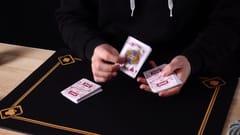
What You'll Be Able to Do
You'll learn to perform a sophisticated four-ace production that feels like a real story rather than just a series of tricks. By the end of this course, you’ll have the skills to control cards under pressure, handle a deck with confidence, and—most importantly—keep the performance going even if a move doesn't go exactly as planned.
How It's Structured
This course breaks down the routine into logical segments. You start by learning the structure of the effect, then move into the specific sleights required for the setup and the cuts. Each lesson builds on the last, taking you from the basic mechanics to the final performance. We’ve included a dedicated section on handling mistakes, so you can practice with the confidence that you’ll know exactly what to do if a card slips or a cut goes wide.
What's the Difficulty
This course is aimed at magicians who are comfortable with basic card handling. While the moves are practical, they require steady hands and consistent practice to look natural. Expect to spend some time in front of a mirror getting the one-handed cuts to look clean. If you find the one-handed moves challenging, we provide a two-handed alternative that keeps the magic just as strong.
About the Instructor
Julio Ribera is a seasoned performer who specializes in making complex card magic accessible. He doesn't just show you how to move your fingers; he explains the "why" behind every action so the magic feels fair and impossible to your audience.
What's Included
- The Manco Aces Routine: A deep dive into Dai Vernon’s classic structure.
- Secret Setups: How to position your cards using a borrowed, shuffled deck.
- One-Handed Cuts: Precision techniques to produce aces while showing the deck is fair.
- Two-Handed Variations: Practical alternatives to keep the routine smooth if you're still mastering the one-handed work.
- Recovery Techniques: Proven ways to stay calm and save the routine if a sleight doesn't land perfectly.
Frequently Asked Questions
Can I skip around or should I watch in order?
Watch these in order. The course is built like a story; each lesson adds a piece of the puzzle that makes the final production work.
How much practice between sections?
Spend at least a few days on the cuts before moving to the recovery lessons. You want the mechanics to be "muscle memory" so you can focus on your storytelling during a performance.
Is there a way to check if I'm doing it right?
The best way is to record yourself on your phone. If you can watch your video and still feel like you don't know where the aces are, you’re doing it right.
What if I get stuck on one part?
Don't worry. We’ve included a specific lesson on recovering from errors. Most of the time, the audience doesn't know you made a mistake unless you tell them with your face or your panic. Practice staying calm—it's the most important move in the deck.
What You'll Be Able to Do
You'll learn to perform a sophisticated four-ace production that feels like a real story rather than just a series of tricks. By the end of this course, you’ll have the skills to control cards under pressure, handle a deck with confidence, and—most importantly—keep the performance going even if a move doesn't go exactly as planned.
How It's Structured
This course breaks down the routine into logical segments. You start by learning the structure of the effect, then move into the specific sleights required for the setup and the cuts. Each lesson builds on the last, taking you from the basic mechanics to the final performance. We’ve included a dedicated section on handling mistakes, so you can practice with the confidence that you’ll know exactly what to do if a card slips or a cut goes wide.
What's the Difficulty
This course is aimed at magicians who are comfortable with basic card handling. While the moves are practical, they require steady hands and consistent practice to look natural. Expect to spend some time in front of a mirror getting the one-handed cuts to look clean. If you find the one-handed moves challenging, we provide a two-handed alternative that keeps the magic just as strong.
About the Instructor
Julio Ribera is a seasoned performer who specializes in making complex card magic accessible. He doesn't just show you how to move your fingers; he explains the "why" behind every action so the magic feels fair and impossible to your audience.
What's Included
- The Manco Aces Routine: A deep dive into Dai Vernon’s classic structure.
- Secret Setups: How to position your cards using a borrowed, shuffled deck.
- One-Handed Cuts: Precision techniques to produce aces while showing the deck is fair.
- Two-Handed Variations: Practical alternatives to keep the routine smooth if you're still mastering the one-handed work.
- Recovery Techniques: Proven ways to stay calm and save the routine if a sleight doesn't land perfectly.
Frequently Asked Questions
Can I skip around or should I watch in order?
Watch these in order. The course is built like a story; each lesson adds a piece of the puzzle that makes the final production work.
How much practice between sections?
Spend at least a few days on the cuts before moving to the recovery lessons. You want the mechanics to be "muscle memory" so you can focus on your storytelling during a performance.
Is there a way to check if I'm doing it right?
The best way is to record yourself on your phone. If you can watch your video and still feel like you don't know where the aces are, you’re doing it right.
What if I get stuck on one part?
Don't worry. We’ve included a specific lesson on recovering from errors. Most of the time, the audience doesn't know you made a mistake unless you tell them with your face or your panic. Practice staying calm—it's the most important move in the deck.