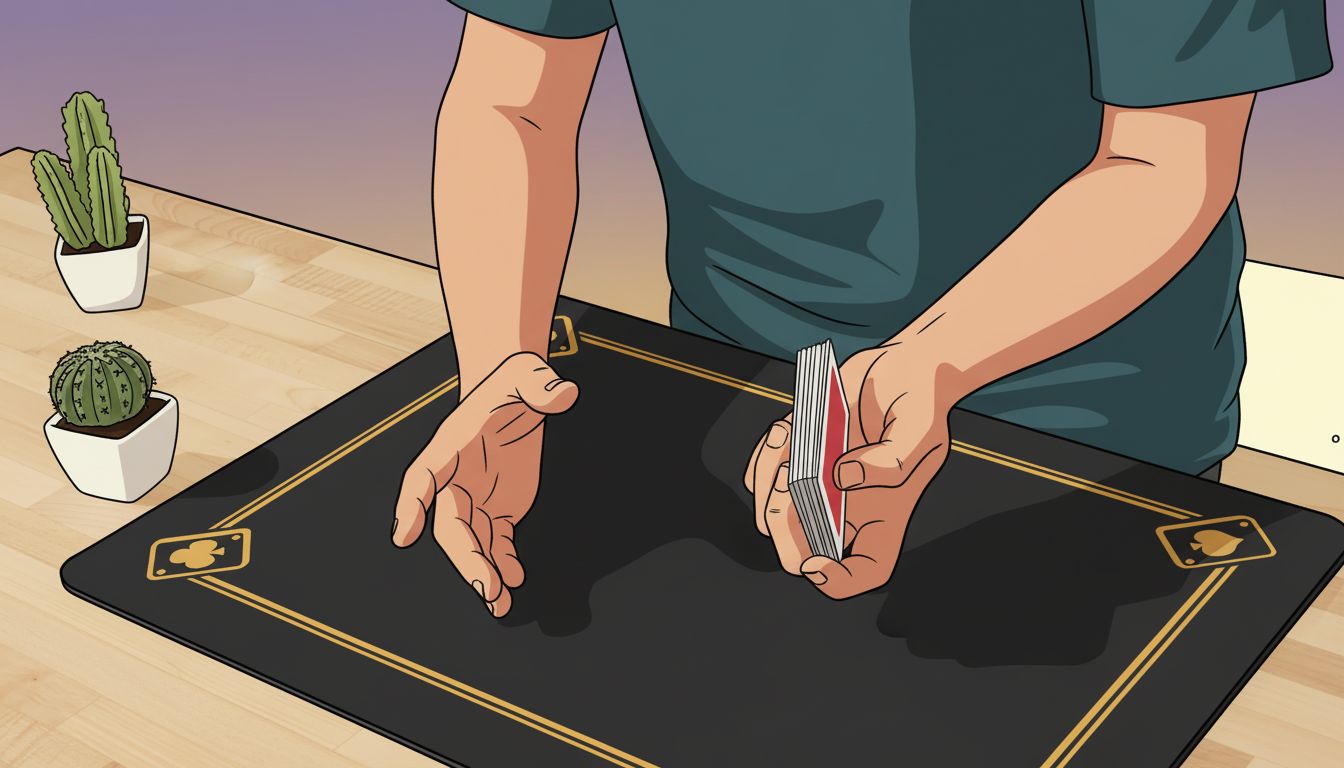
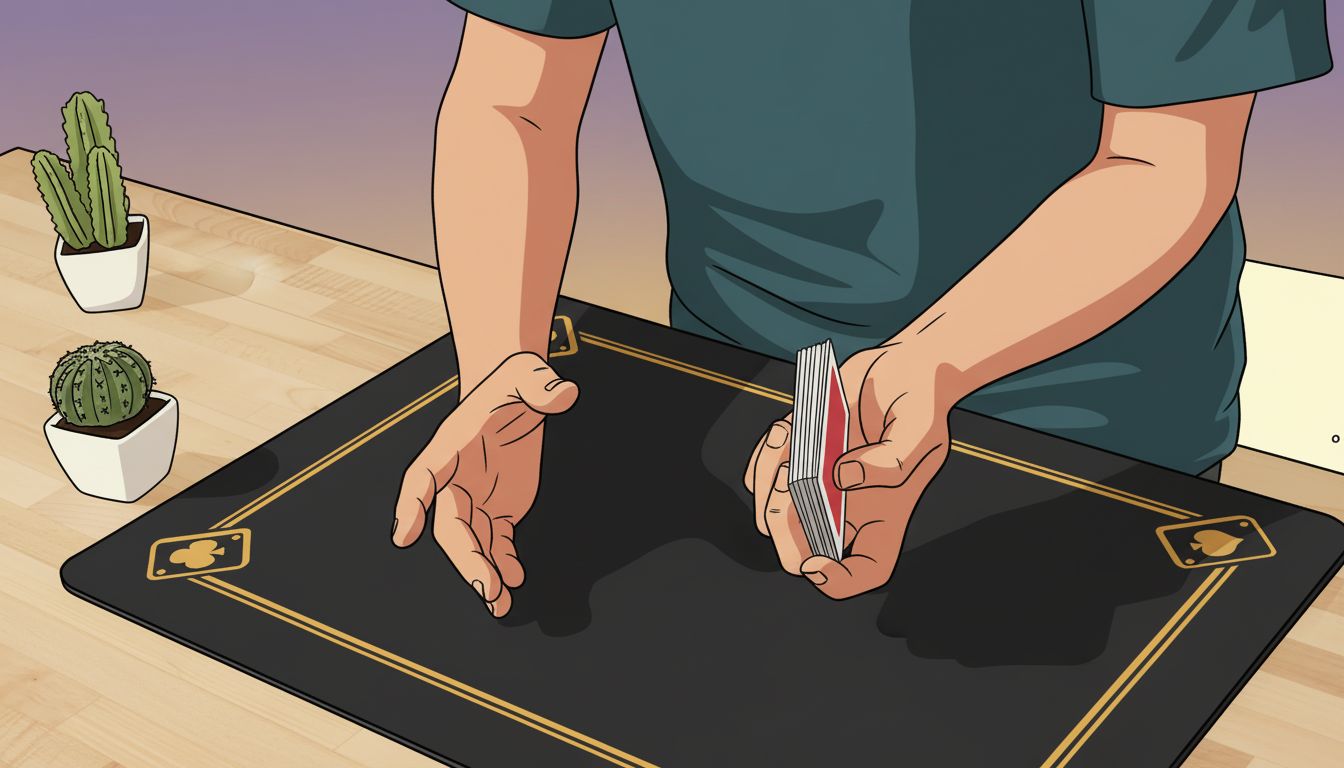
Card Control Foundations


A comprehensive guide to managing a deck of cards, from basic pinky breaks to invisible culls. Learn to control any card to the top or bottom of the deck using natural shuffles and cuts.
Card Control Foundations
A comprehensive guide to managing a deck of cards, from basic pinky breaks to invisible culls. Learn to control any card to the top or bottom of the deck using natural shuffles and cuts.
6 Lessons
The Secret to Invisible Handling
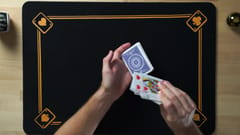
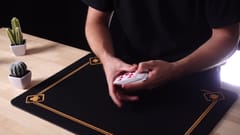
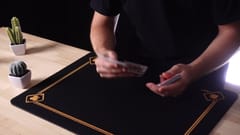
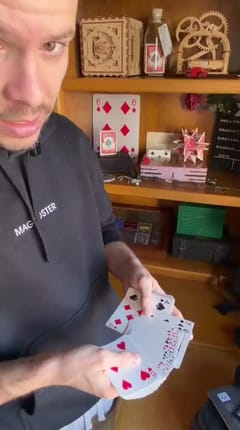
Most people think controlling a card requires lightning-fast hands or complex moves. In reality, the best controls are the ones that look like you aren't doing anything at all. It’s about using natural movements—like a simple shuffle or squaring the deck—to hide the secret work.
Why This Changes Your Magic
When you know exactly where a spectator's card is, you stop worrying about the "how" and start focusing on the performance. You won't feel clumsy or nervous because these techniques are designed to work under pressure. Instead of fumbling with the deck, you'll move with confidence, knowing the card is exactly where you need it to be for the big reveal.
Mastering the Deck
This course takes you through the most reliable ways to manage a deck of cards. You'll start with the pinky break, which is the "engine" behind almost every card trick. From there, Julio Ribera and Pablo Costas show you how to use shuffles, cuts, and spreads to move cards invisibly.
The lessons are practical and direct. You'll see exactly how the move looks to an audience and then get a step-by-step breakdown of the finger positions. Whether you're performing on the street or at a dinner table, these controls make your magic look effortless.
About the Instructors
Julio Ribera is a digital magic veteran with over 1.5 million followers who specializes in making complex sleight-of-hand accessible to everyone. He is joined by Pablo Costas, a professional illusionist with 15 years of experience performing for major brands and in Europe’s top magic theaters.
What's Included
- The Pinky Break: The fundamental secret for keeping your place in the deck.
- Double Undercut Control: A simple way to bring a card to the top using basic cuts.
- Overhand Shuffle Controls: How to shuffle the deck while keeping the selection right where you want it.
- Under-spread Cull: An invisible way to move cards while showing the deck is mixed.
- DMB Spread Control: A clean method to control a card to the bottom during a spread.
- Open Face-Up Control: A visual way to bury a face-up card while secretly controlling it.
Frequently Asked Questions
Is this too hard for a beginner?
We start with basics like the pinky break and move into more advanced moves like the cull. There is something here for every skill level, and each move is broken down into simple steps.
Do I need special cards?
No. Every move taught here works with a standard, unprepared deck of cards. You can do these tricks anytime, anywhere.
Will people notice the moves?
These controls are designed to be "invisible" by mimicking natural actions like shuffling or squaring the cards. If you follow the timing and handling taught in the lessons, the audience won't suspect a thing.
How detailed are the explanations?
Julio and Pablo focus on the "why" as much as the "how." You'll learn the finger placements, the common mistakes to avoid, and the theory that makes these moves deceptive.
The Secret to Invisible Handling
Most people think controlling a card requires lightning-fast hands or complex moves. In reality, the best controls are the ones that look like you aren't doing anything at all. It’s about using natural movements—like a simple shuffle or squaring the deck—to hide the secret work.
Why This Changes Your Magic
When you know exactly where a spectator's card is, you stop worrying about the "how" and start focusing on the performance. You won't feel clumsy or nervous because these techniques are designed to work under pressure. Instead of fumbling with the deck, you'll move with confidence, knowing the card is exactly where you need it to be for the big reveal.
Mastering the Deck
This course takes you through the most reliable ways to manage a deck of cards. You'll start with the pinky break, which is the "engine" behind almost every card trick. From there, Julio Ribera and Pablo Costas show you how to use shuffles, cuts, and spreads to move cards invisibly.
The lessons are practical and direct. You'll see exactly how the move looks to an audience and then get a step-by-step breakdown of the finger positions. Whether you're performing on the street or at a dinner table, these controls make your magic look effortless.
About the Instructors
Julio Ribera is a digital magic veteran with over 1.5 million followers who specializes in making complex sleight-of-hand accessible to everyone. He is joined by Pablo Costas, a professional illusionist with 15 years of experience performing for major brands and in Europe’s top magic theaters.
What's Included
- The Pinky Break: The fundamental secret for keeping your place in the deck.
- Double Undercut Control: A simple way to bring a card to the top using basic cuts.
- Overhand Shuffle Controls: How to shuffle the deck while keeping the selection right where you want it.
- Under-spread Cull: An invisible way to move cards while showing the deck is mixed.
- DMB Spread Control: A clean method to control a card to the bottom during a spread.
- Open Face-Up Control: A visual way to bury a face-up card while secretly controlling it.
Frequently Asked Questions
Is this too hard for a beginner?
We start with basics like the pinky break and move into more advanced moves like the cull. There is something here for every skill level, and each move is broken down into simple steps.
Do I need special cards?
No. Every move taught here works with a standard, unprepared deck of cards. You can do these tricks anytime, anywhere.
Will people notice the moves?
These controls are designed to be "invisible" by mimicking natural actions like shuffling or squaring the cards. If you follow the timing and handling taught in the lessons, the audience won't suspect a thing.
How detailed are the explanations?
Julio and Pablo focus on the "why" as much as the "how." You'll learn the finger placements, the common mistakes to avoid, and the theory that makes these moves deceptive.