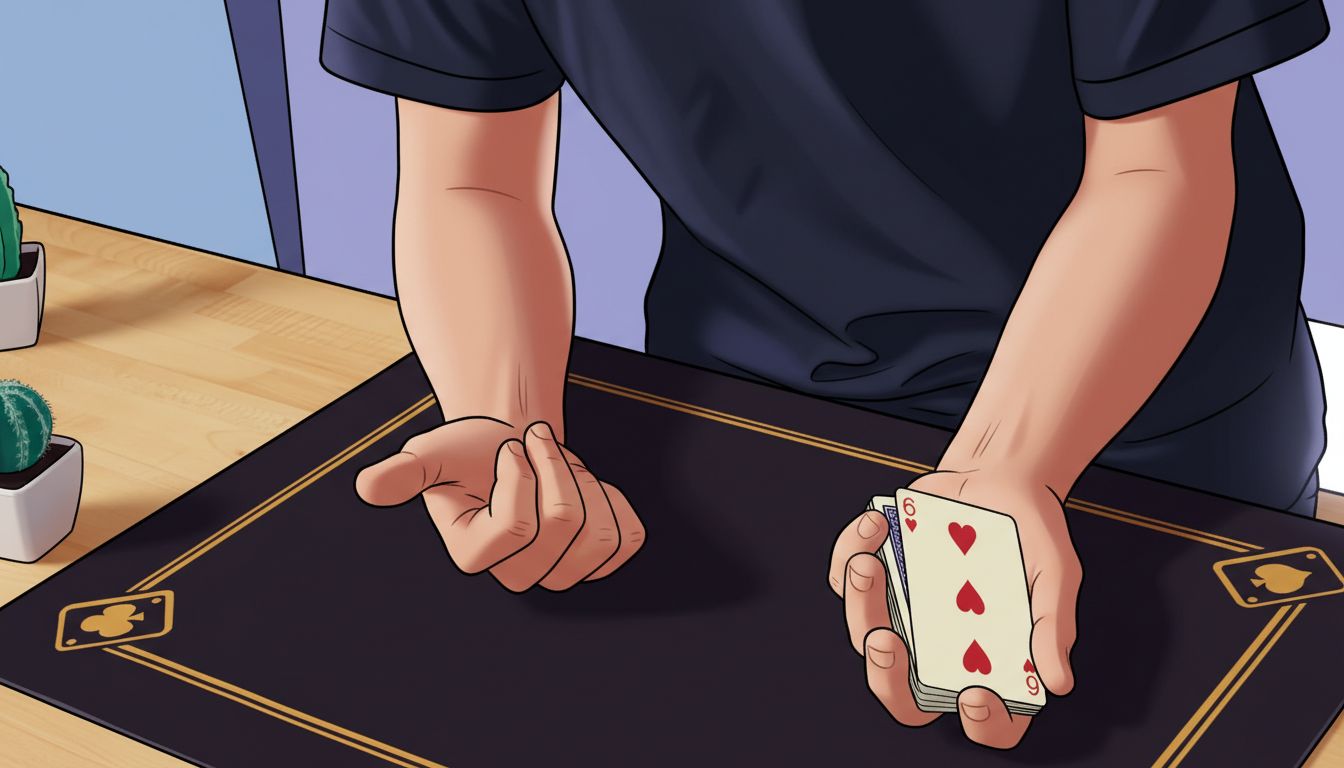
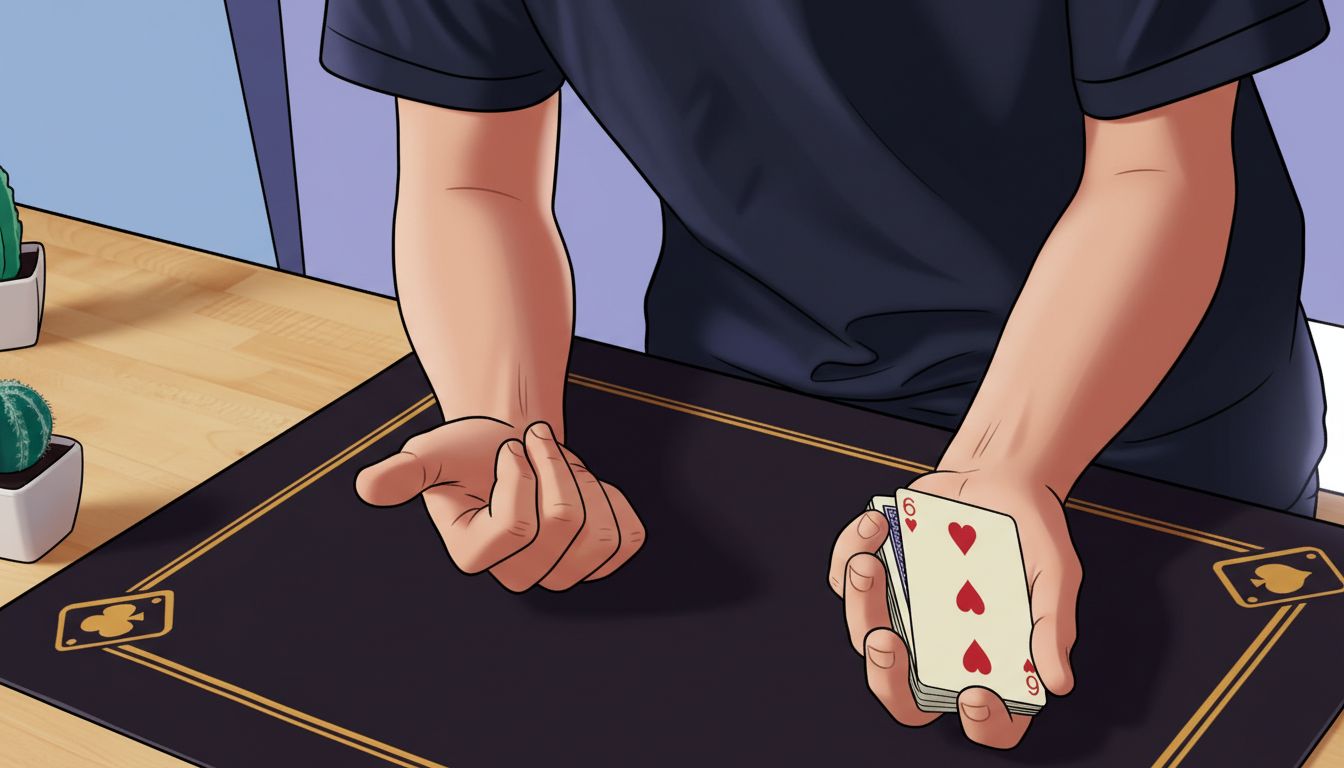
The Double Lift: Preparation, Turnovers, and Combinations

Study the phases of the double lift with Julio Ribera: getting the break, choosing a turnover, and regaining the separation. The path includes twelve lessons, fifteen videos, handling variants, and two final combinations of varying difficulty.
The Double Lift: Preparation, Turnovers, and Combinations
Study the phases of the double lift with Julio Ribera: getting the break, choosing a turnover, and regaining the separation. The path includes twelve lessons, fifteen videos, handling variants, and two final combinations of varying difficulty.
12 Lessons
Double Lift Fundamentals: Preparation and Basic Handling
Thumb Riffle Break for the Double Lift
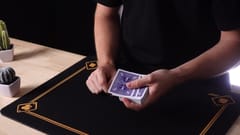
Push Break: Obtaining a One-Handed Double Lift Break
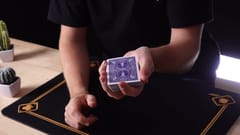
Pinky Count: Counting and Discreet Break Preparation
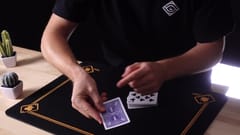
Classic Sliding Turnover for the Double Lift
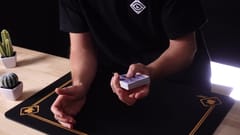
Sliding Turnover: Sliding Double Lift
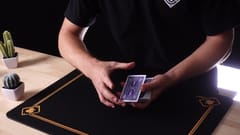
Spin Turnover: Spin and Slide Turnover
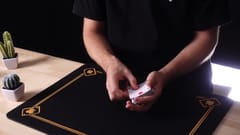
Double Lift with a Flourish: Spin and Presentation
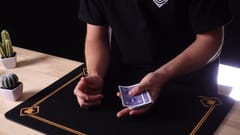
Push-Off Turnover: Coordinated Push-Off Turnover
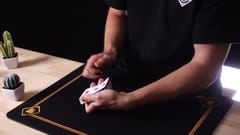
Regaining the Double Lift Break: Two Methods
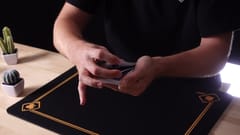
Center Double Lift: handling from the center of the deck
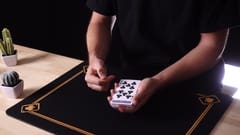
Two Double Lift combinations: beginner and advanced
The double lift brings together several handling decisions: how to get a separation, how to show the card, and how to regain that preparation to finish. Julio Ribera breaks down these phases in a path of twelve lessons and fifteen videos, ranging from a practical introduction to refinement variants and combinations of the techniques.
A Foundation to Start
The path begins with an introduction to the role of the double lift in card magic and a basic beginner version. What a break is is explained, and mechanics grip and biddle grip are applied to a simple preparation and turnover.
Julio relates the handling to conversation and spectator attention. Naturalness is worked on both through technique and through the sense and meaning of showing and returning the card during a presentation.
Three Ways to Get the Break
The following lessons cover preparation via thumb riffle, push break, and pinky count. They allow you to compare a two-handed option, a one-handed push preparation, and a more demanding count.
The work includes tactile recognition, pressure control, coordination, and squaring. The pinky count is presented as an option to polish the preparation, not as a prerequisite to use the double lift: Julio explains that you can work with the other options.
Choosing and Practicing the Turnover
The journey continues with the classic turnover, sliding turnover, spin turnover, a flourished version, and push-off turnover. Each lesson develops the grip, the points of contact, and the continuity that its handling requires.
These variants allow you to study different ways of showing the card. The classic turnover works on the support of the deck; the slides add coordination of pressure and path; the flourish brings a flashier presentation; the push-off seeks to maintain the appearance of an ordinary gesture.
Specific limitations are also included. The spin turnover requires the thumb to be able to slide, so Julio recommends dry, clean hands. The flourish is taught as a stylistic choice, while he notes his preference for a classic, natural double lift.
Regaining, Working from the Center, and Combining
Two explanations cover regaining the break after the first turnover: one when squaring with both hands and another one-handed. Expanded positions are shown to understand the action and how to reduce its amplitude with practice.
Next, the center double lift takes the preparation and extraction to an inner area of the deck during a riffle prompted by a "stop." The path ends with two short combination videos: a beginner recommendation and another bringing together more demanding techniques. These endings connect the handlings studied without re-explaining each one from scratch.
Materials and Way of Working
You need a deck of cards to practice. The starting point is the explanation of fundamentals; subsequent variants use the break and other handlings developed along the way. You can work on an accessible combination before tackling the pinky count or the options you find more demanding.
The content focuses on the double lift technique and its variations. The transformations serve as application examples; the final two combinations are technical sequences, not full magic routines. The practice of contact points, coordination, and naturalness accompanies the study of each phase.