Lessons
790 lessons · 1207 videos · 263h of content
 Advanced
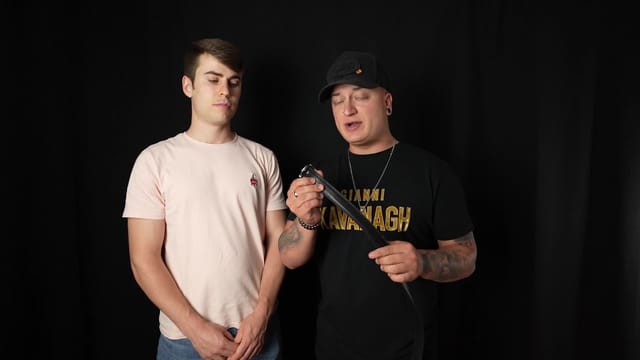
Belt and tie: staged pickpocketing phase-by-phase handling
Shado The Magician explains working with belts and ties, their distinct conditions, and the reasons for choosing or discarding a particular specimen. It covers closures, belt loops, knots, pauses, and ways to maintain continuity in the presentation.
 Intermediate
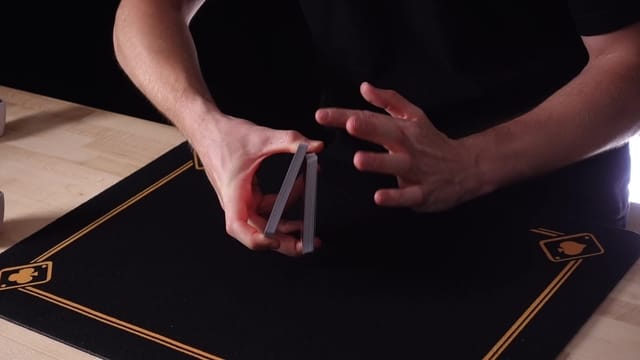
Swivel Cut: Packet Spin and Variations
Join Julio Ribera to learn the Swivel Cut, its arrival into Mechanics Grip, and a thumb variation. The explanation also demonstrates how to combine it with a Swing Cut.
 Expert
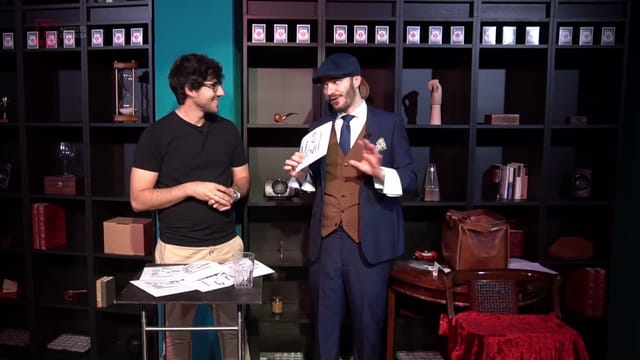
Russian roulette with cell phones: routine and presentation
Daniel Collado teaches a stage Russian roulette where a borrowed phone seems to be in danger among several phones kept in envelopes. He explores the preparation of the props, volunteer management, and the building of tension, humor, and eliminations leading up to the climax.
 Intermediate
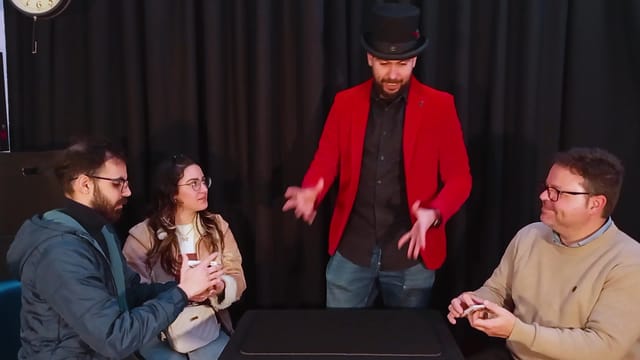
Triumphant Mess: Sorting Out the Deck's Chaos
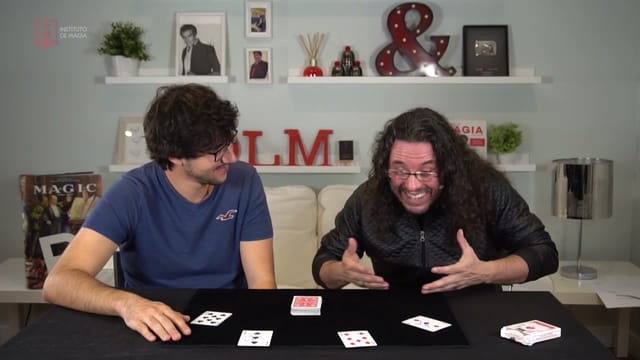
Borja Mazorriaga combines a genuine face-up and face-down shuffle with a Triumph ending. He explains information control, a full-deck cull, and the patter that guides spectator participation.
 Expert
Invoked Cards: Kings, Aces, and Card to Number
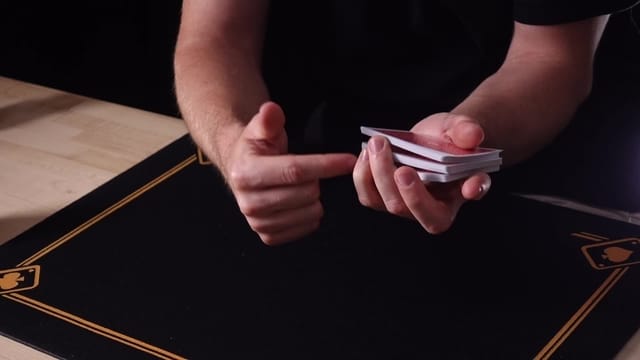
Hernán Maccagno weaves together the production of the four kings, the four aces, and the location of a numbered card at a position built with the spectator. Learn the preparation and handling of this routine, paying close attention to the instructions, pauses, and the connection between its revelations.
 Intermediate
Triple False Cut: Breaks and Reassembly
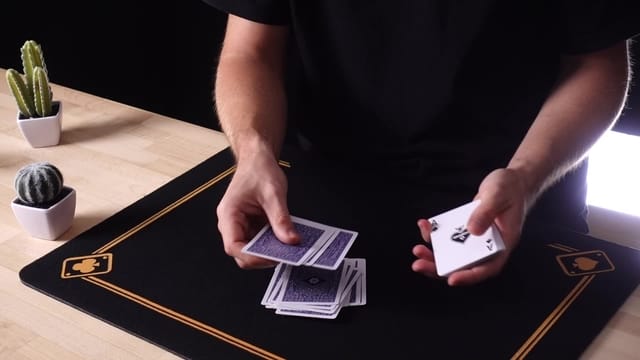
Julio Ribera teaches a triple cut that appears to thoroughly mix the deck while keeping its full stack intact. He explains the two breaks, an alternative way to maintain the second one, and the flow between the in-the-hands cuts and their reassembly on the table.
 Advanced
Flying linking rings: routine, handling, and staging
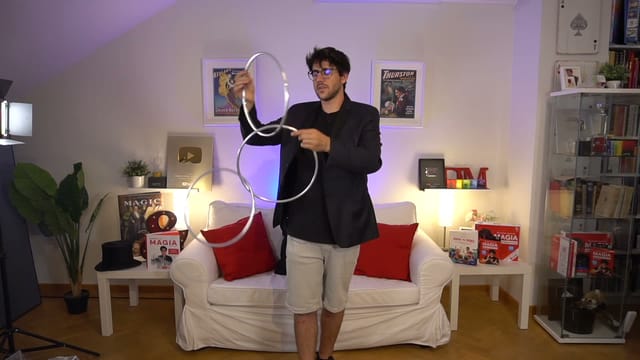
Learn Borja Montón's stage flying rings routine, based on Viktor Voitko's material. It combines linking rings, unlinking, and levitations with three rings, paying attention to body coordination, pauses, and music. Includes material preparation, explanation of the sleights, error recovery, and lighting conditions.
 Beginner
Psychological Force: Timing, Response, and Managing the Stop
Julio Ribera teaches a force based on dealing cards and the participant's response. He breaks down timing, different stopping points, recoveries, and a way to practice without relying on hitting a specific card.
 Beginner
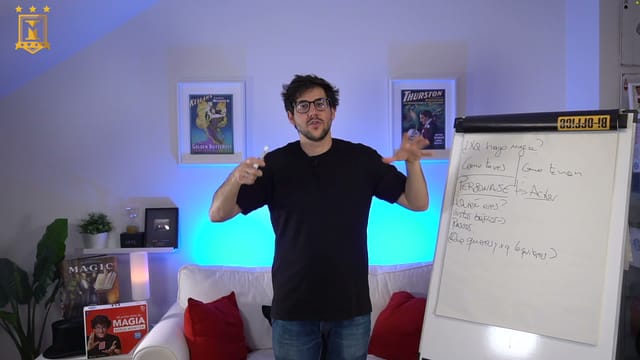
Magic Character: Identity, Motivation, and Context
Build the foundations of your magic character with Borja Montón based on your motivations, traits, and interests. Work through questions about who you are, what you want to achieve, and how you act, compare your image with how others perceive you, and define a cohesive context and stage name.
 Intermediate
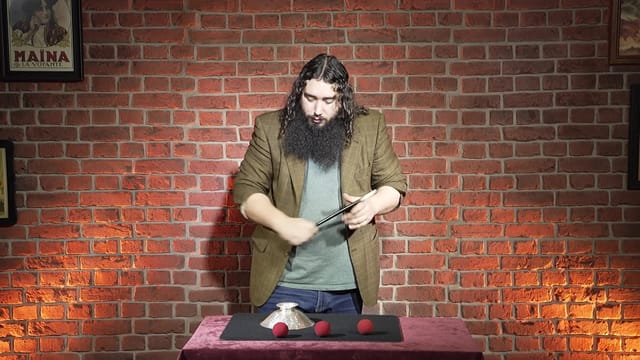
Roy Benson's Bowl: Xulio Merino's Version
Three balls vanish and travel beneath a bowl before the magic shifts into the spectator's hands. Xulio Merino explains his version with four balls and a final deck production, featuring two demonstrations of the sequence.
 Expert
Card magic: Joker sandwich, prediction, and all backs
Víctor Piña explains a three-phase sandwich, the prediction Predestined Fate, and an all-backs routine with the aces. Learn how to build each sequence, direct audience participation, and handle double cards with clarity and economy of motion.
 Intermediate
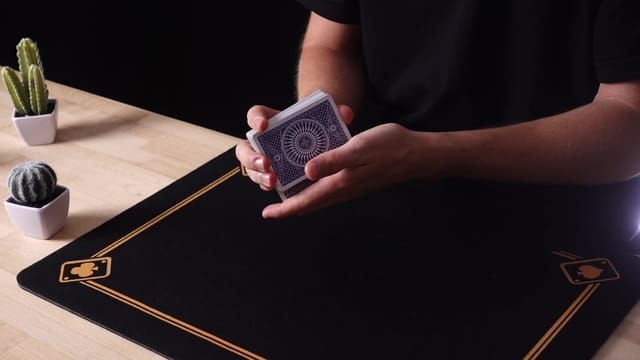
False overhand shuffle: preserving the complete stack
Julio Ribera explains a false overhand shuffle that preserves the order of the entire deck. He studies packet recovery, coverage, and movement continuity so that it maintains the look of a normal overhand shuffle.