Chinese Snow: Preparation and Stage Performance
Preparing and Performing the Chinese Snow
Borja Montón develops this classic from the choice of materials to the final image of a paper snowfall. The explanation combines preparation, technique, and presentation, featuring a jacket-based version and a simpler setup centered around a chest. It also examines how to adjust the pacing and scale of the effect for a theater or a family show.
Confetti, Preparation, and Fan Selection
Commercial formats of Chinese snow and various types of confetti are compared, focusing on their lightness, size, and behavior when falling. Borja demonstrates how to prepare his own consumables, adjust their size and compaction, and handle the paper without damaging it. This preparation is distinguished from buying ready-made elements, without turning the cited brands or prices into current requirements.
The fan is studied both as a tool and as a stage prop. Models are compared by their opening span and air-moving capacity, and an optional opening flourish is explained. The goblet, wand, table, and chest or top hat setups are also reviewed for organizing the material.
From the Napkin to the Final Effect
The class teaches how to shape the napkin into a flake form through folding and small cuts or tears. This figure is integrated into the presentation prior to working with the water and the fan.
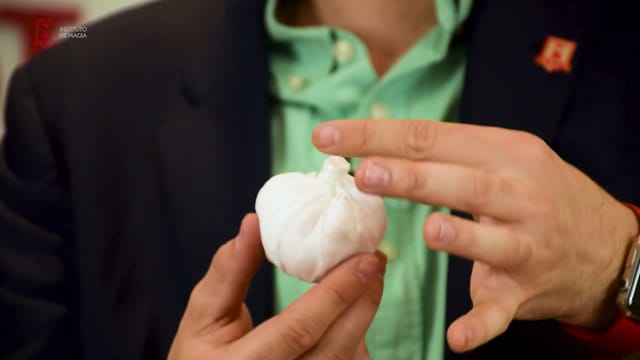
The technical explanation covers the false transfer, hand coordination, naturalness in picking up and setting down objects, and angle control. Emphasis is placed on justifying every movement, avoiding tension, and capitalizing on the attention generated by a visible action. Some movements are explained using a ball as a substitute for the material, allowing them to be rehearsed without consuming supplies.
The handling with a jacket is developed first, followed by a more direct setup with the chest on the table. The comparison helps to understand what changes in the preparation, hand paths, and body position, without presenting a single solution valid for all spaces.
Fanning, Gaze, and Music
Borja demonstrates how the direction and intensity of the fanning affect the height and hang time of the confetti. He uses a red load to make the comparison more visible and discusses how to meter out the material during the production.
Gazing at the audience is part of the handling: sharing the small discoveries, letting the image of the flake register, and pausing before the snowfall. The performer's internal dialogue and the intention of the gestures are worked on, alongside avoiding unnecessary delays in the setup.
Music accompanies the progression of the effect, the movements, and the bow. Applications for parties and communions are discussed, including the organization of the finale and managing children's attention regarding the stage material.
Building Your Own Presentation
The class proposes finding a personal meaning for the snow rather than copying another performer's script. An invented legend and the imagery of butterflies serve as examples of presentation and coherence between the story and the actions.
A verbal explanation is also given for a color-separating confetti variation attributed to Marco. Paper restoration and various historical performances are cited as references; a complete torn and restored paper routine is not taught, nor are additional videos promised. Butterflies are discussed as a presentation adaptation, not as a second independent course.
Expanding the Finale
The final segment features manual and electric confetti cannons, the equipment used by Borja, and the coordination of cues, music, and assistants. These are optional expansions for a larger-scale show. They are not required for the basic routine, and this overview does not constitute a full technical special-effects installation.
Materials and Preliminary Preparation
To practice, you need confetti suitable for Chinese snow, paper napkins or tissues, scissors, adhesive tape, a small container for preparation, a fan, a goblet or glass of water, and a wand. The chosen setup adds a table, chest, or top hat, and, in one of the versions, a jacket with pockets. Special effects equipment is treated separately and is not included.
The basic technique is explained in the class; it requires practicing material preparation, transfers, angles, and timing before incorporating it into a performance. The recording lasts approximately 49 minutes and develops both the procedure and the presentation, without offering add-ons or physical products as part of the lesson.